





What's Happening?
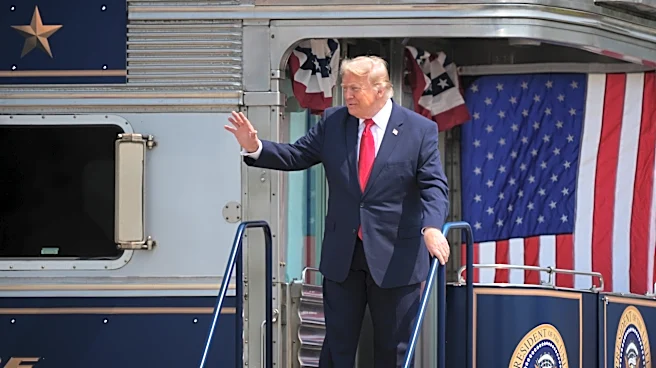
President Trump has faced a series of legal defeats in his efforts to alter the U.S. election system. Despite claiming to have developed new legal arguments to bypass Congress and impose changes, such as requiring voter identification, his administration
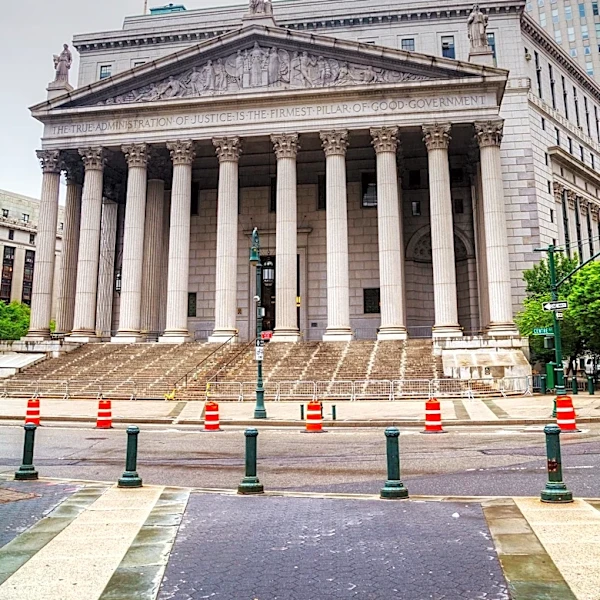
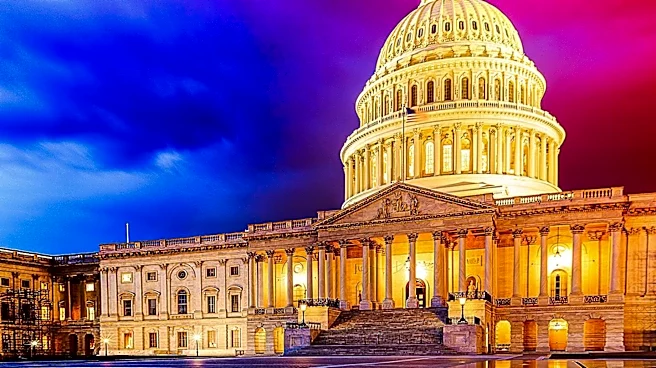
has lost at least a dozen election-related lawsuits. The FBI's raid on an election warehouse in Georgia, which Trump hailed as a victory, has not yielded significant results. The House of Representatives passed the SAVE America Act, aiming to enforce stricter voter identification laws, but it faces significant opposition in Congress. Judges have consistently blocked Trump's executive orders and efforts to obtain voter data, citing constitutional limitations on presidential powers over elections.
Why It's Important?
The legal setbacks underscore the challenges President Trump faces in reshaping the U.S. election system. His inability to implement changes could maintain the status quo in upcoming elections, affecting voter turnout and election integrity. The repeated court losses highlight the judiciary's role in checking executive power, particularly in election matters. These developments could influence public confidence in the electoral process and impact the political landscape, as Trump's efforts to tighten voting laws are seen as attempts to address unsubstantiated claims of widespread voter fraud. The ongoing legal battles also reflect broader tensions within the Republican Party and between federal and state authorities over election administration.
What's Next?
With the midterm elections approaching, President Trump is running out of time to implement his desired changes. Early voting begins in September, and courts typically resist altering voting laws close to elections. The administration may continue to pursue legal avenues, but the likelihood of success diminishes as judicial rulings consistently oppose Trump's initiatives. The political focus may shift to other legislative priorities, though Trump's influence on state-level election policies could persist. The outcome of these efforts will likely shape future debates on voting rights and election security in the U.S.