




What's Happening?
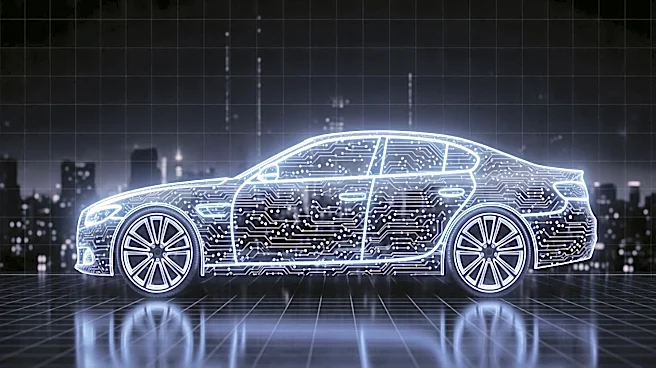
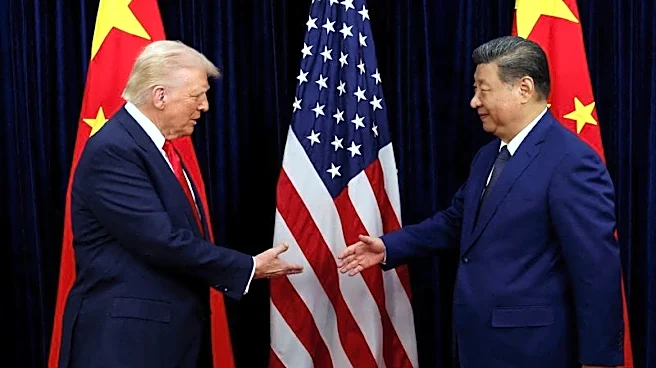
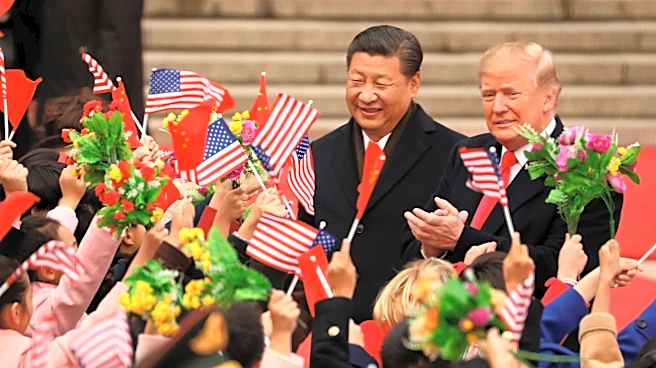
Bipartisan lawmakers from Michigan have introduced the 'Connected Vehicle Security Act' to ban Chinese-made connected vehicles, software, and hardware from the U.S. market. This legislative move comes ahead of President Trump's meeting with Chinese President Xi
Jinping. The bill, announced by Rep. John Moolenaar and Rep. Debbie Dingell, aims to address national security and data collection concerns associated with connected vehicles, which have internet access and wireless connectivity. The proposed legislation mirrors a similar Senate bill and would implement prohibitions on connected vehicle software by January 1, 2027, and on hardware by January 1, 2030. The bill also targets Russia, North Korea, and Iran. The initiative is part of a broader effort to protect the U.S. industrial base from heavily subsidized Chinese automakers, which lawmakers fear could undermine American manufacturers.
Why It's Important?
The proposed legislation highlights growing concerns over national security and economic competitiveness in the U.S. automotive industry. By restricting Chinese connected vehicles, lawmakers aim to safeguard American jobs and the domestic auto industry from potential threats posed by foreign manufacturers. The bill reflects bipartisan support for maintaining a competitive edge against countries like China, which are perceived to have unfair trade practices. The legislation also underscores the strategic importance of the automotive sector in U.S. economic policy, as it seeks to prevent foreign influence and protect critical infrastructure. The outcome of this legislative effort could significantly impact U.S.-China trade relations and set a precedent for future policies regarding foreign technology and manufacturing.
What's Next?
As the bill progresses, it will likely face scrutiny and debate in Congress, with stakeholders from the automotive industry and trade policy experts weighing in. The outcome of President Trump's meeting with President Xi Jinping could also influence the bill's trajectory, as diplomatic negotiations may address some of the underlying trade tensions. Additionally, the response from U.S. automakers and labor unions will be crucial, as they assess the potential impact on their operations and workforce. The legislation's progress will be closely monitored by international trade partners and could lead to further discussions on global trade practices and security standards.