





What's Happening?
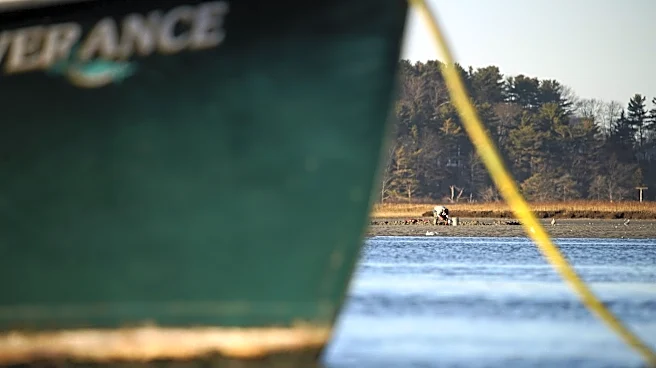
Virginia health officials have extended the closure of oyster harvesting on the Little Wicomico River following the confirmation of additional positive Salmonella test results in oysters from the waterway. The Virginia Department of Health (VDH) announced
the extension, effective November 8, after samples collected on October 13 and October 21 tested positive for Salmonella. This closure is linked to a multistate Salmonella outbreak that health officials believe originated from raw oysters harvested in the river. The investigation, involving state and federal public health agencies like the CDC and FDA, has identified 28 cases across 13 states with a genetically related strain of Salmonella Telelkebir. Of these, 11 individuals reported consuming raw oysters, with the Little Wicomico River identified as the probable source. Three Virginia residents are among the reported cases. The affected oysters were harvested by Little Wicomico Oyster Company (VA-1421-SP) between September 18 and October 8, leading to a voluntary recall on October 9. The recall covers whole, shellstock oysters distributed to restaurants and retailers in 17 states and the District of Columbia.
Why It's Important?
This extended closure significantly impacts the local seafood industry, particularly watermen, oyster growers, and businesses in Virginia's Northern Neck, especially during the crucial fall and winter oyster season. The economic repercussions could be substantial for those dependent on the region's seafood. For consumers, the outbreak highlights ongoing food safety concerns related to raw shellfish and the importance of robust public health surveillance. The multistate nature of the outbreak underscores the interconnectedness of the food supply chain and the potential for localized contamination to have widespread health implications. The identification of Salmonella Telelkebir, along with Salmonella Newport and Salmonella Hartford, in the oyster samples emphasizes the need for stringent testing protocols to prevent foodborne illnesses. The incident also reinforces the critical role of state and federal agencies in investigating and mitigating such outbreaks to protect public health and maintain consumer confidence in seafood products.
What's Next?
The Little Wicomico River's affected growing area will remain closed until three consecutive rounds of product testing yield negative results for Salmonella. VDH collected additional oyster and water samples on November 2 and November 4 for further testing, the results of which are pending. The investigation remains active, with VDH collaborating with the CDC, FDA, and other partners to determine the full extent of contamination and establish a safe reopening timeline. Consumers who may have purchased recalled oysters are advised to discard them or return them for a refund and to thoroughly clean and sanitize any surfaces or utensils that may have come into contact with the product. The Virginia Department of Health will continue to provide updates on test results, recall details, and reopening information through its oyster outbreak information page. The long-term impact on the Little Wicomico Oyster Company and the broader Virginia oyster industry will depend on the duration of the closure and the effectiveness of remediation efforts.
Beyond the Headlines
This Salmonella outbreak in oysters from the Little Wicomico River points to broader challenges in ensuring the safety of seafood, particularly raw products. The presence of multiple Salmonella strains in the oysters suggests potential environmental contamination sources that require thorough investigation beyond the immediate harvesting areas. This could involve examining water quality, agricultural runoff, or wildlife interactions in the river's ecosystem. The incident also raises questions about the resilience of local food economies when faced with such public health crises and the need for support mechanisms for affected businesses and workers. Furthermore, it underscores the ongoing debate about the risks associated with consuming raw foods and the balance between culinary preferences and public health safety. The case may prompt a review of existing regulations and monitoring practices for shellfish harvesting to prevent future outbreaks and enhance consumer protection.