







What's Happening?
The Columbus Division of Police has relieved Officer Stephen O’Brien, a veteran of 32 years with the department, from duty. This action comes as the division investigates potential misuse of Flock technology. The police stated that their ongoing review
of how personnel have utilized Flock technology uncovered evidence suggesting O’Brien's possible misuse. He will remain off duty while the investigation proceeds. This development is part of a broader review by the Columbus Division of Police into the appropriate use of Flock technology by its officers.
Why It's Important?
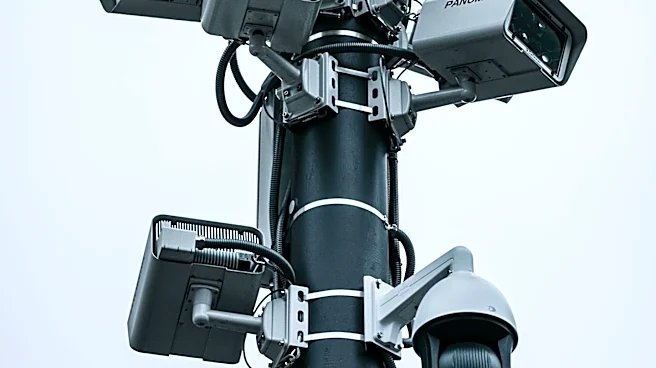
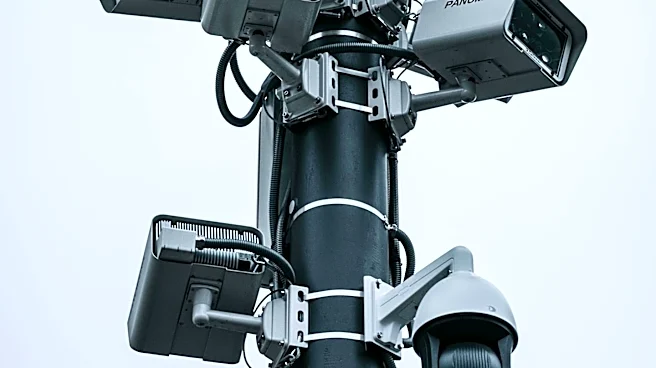
This investigation into the potential misuse of Flock technology by a Columbus police officer highlights critical issues surrounding privacy, surveillance, and accountability within law enforcement. Flock technology, which often refers to automated license plate readers (ALPRs), can collect vast amounts of data on vehicle movements, raising concerns about civil liberties and potential for abuse. The integrity of such systems relies heavily on strict adherence to protocols and ethical guidelines. Any misuse by an officer could erode public trust in the police department and the technology itself, leading to calls for increased oversight and stricter regulations on surveillance tools. For the community, it underscores the importance of transparency in police operations and the need for robust internal review processes to ensure that powerful technologies are used responsibly and lawfully. The outcome of this investigation could influence future policies regarding the deployment and monitoring of surveillance technologies in Columbus and potentially other U.S. cities.
What's Next?
Officer Stephen O’Brien will remain off duty as the Columbus Division of Police continues its investigation into the alleged misuse of Flock technology. The police department is expected to conduct a thorough review of the evidence to determine the extent and nature of the misuse. Depending on the findings, O’Brien could face disciplinary actions ranging from further suspension to termination, and potentially legal consequences if criminal activity is uncovered. This incident may also prompt the Columbus Division of Police to re-evaluate and strengthen its policies and training programs regarding the use of surveillance technologies like Flock. Public and civil liberties groups will likely monitor the investigation closely, potentially advocating for greater transparency and accountability in the use of such tools. The outcome could set a precedent for how similar cases involving technology misuse by law enforcement are handled in the future.
Beyond the Headlines
The probe into Officer O’Brien's alleged misuse of Flock technology extends beyond a single incident, touching upon the broader societal debate regarding privacy in the digital age and the expanding capabilities of law enforcement surveillance. Flock technology, while touted for its crime-solving potential, also presents significant ethical dilemmas. The continuous collection and storage of location data on ordinary citizens, even without suspicion of wrongdoing, can create a pervasive sense of being watched. This raises fundamental questions about the balance between public safety and individual rights. The long-term implications could include increased public skepticism towards police technology, demands for legislative action to regulate surveillance, and a redefinition of what constitutes reasonable expectation of privacy in public spaces. This case could serve as a catalyst for a more comprehensive discussion on data governance, algorithmic bias, and the democratic oversight necessary to prevent a surveillance state, ensuring that technological advancements serve justice without undermining foundational freedoms.