






What's Happening?
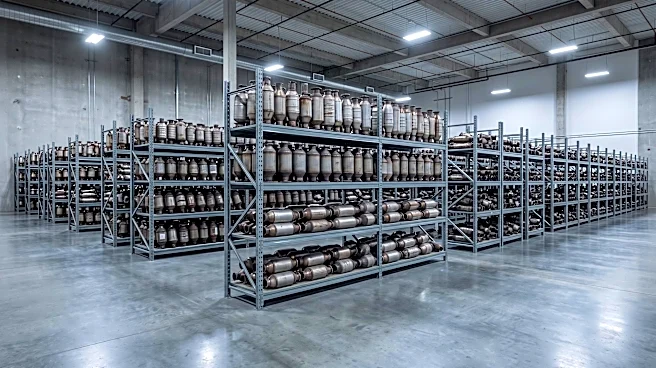
California law enforcement agencies have successfully recovered approximately 2,400 stolen catalytic converters during a three-month investigation across Los Angeles and Orange Counties. This operation led to the arrest of five individuals suspected of being
part of a complex theft ring. The estimated value of the recovered converters is around $4.3 million. Investigators linked thefts across multiple North Orange County cities to this organization, which was allegedly responsible for the theft, dismantling, transfer, and purchasing of these devices. In addition to the converters, authorities seized shipping boxes filled with precious metals, two unregistered weapons, and over $105,000 in cash. The operation involved multiple agencies, including the Orange County Sheriff’s Department, Los Angeles County Sheriff’s Department, Los Angeles County Fire Department, California Department of Motor Vehicles, California Department of Insurance Investigation, and the City of Irvine.
Why It's Important?
The recovery of such a large number of stolen catalytic converters highlights the significant and ongoing issue of this type of theft in the U.S. These thefts are highly wasteful and damaging to victims, who often face substantial repair costs that can exceed the scrap value of the stolen part due to damage to exhaust piping. The operation underscores the financial incentives driving these criminal enterprises, where thieves may cause thousands of dollars in damage for a relatively small profit from scrap metal. The involvement of multiple law enforcement agencies indicates the widespread nature of the problem and the coordinated effort required to combat it. This issue impacts vehicle owners, insurance companies, and the automotive repair industry, contributing to higher costs and inconvenience for consumers.
What's Next?
The matter will proceed with legal actions against the five arrested individuals. Authorities will likely focus on proving that each recovered converter was stolen, potentially through identifying marks or by linking them to specific vehicles. The investigation may also continue to dismantle the broader network involved in the fencing and trafficking of these stolen parts. There is an ongoing discussion about the effectiveness of current laws, particularly those targeting the fencing and trafficking of converters, in deterring this type of crime. The potential for criminal asset forfeiture of the seized cash could help compensate victims. Public safety advice continues to emphasize preventative measures such as parking in well-lit areas, using anti-theft devices, and etching identifying information on car parts to aid in recovery.
Beyond the Headlines
The catalytic converter theft epidemic reveals deeper issues within the U.S. criminal justice system and economic landscape. The low risk-reward ratio for thieves, where significant damage is caused for minimal personal gain, points to systemic vulnerabilities in regulating scrap metal sales. Many states are now requiring identification for catalytic converter sales to reduce anonymous cash payouts, indicating a shift towards stricter controls. The challenge of proving ownership for recovered items also highlights a gap in current vehicle identification and tracking methods. This type of crime often disproportionately affects lower-income individuals who may struggle to afford repairs, exacerbating economic inequalities. The broader implications touch upon property rights, public safety, and the effectiveness of legislative measures in curbing organized crime.