
What's Happening?
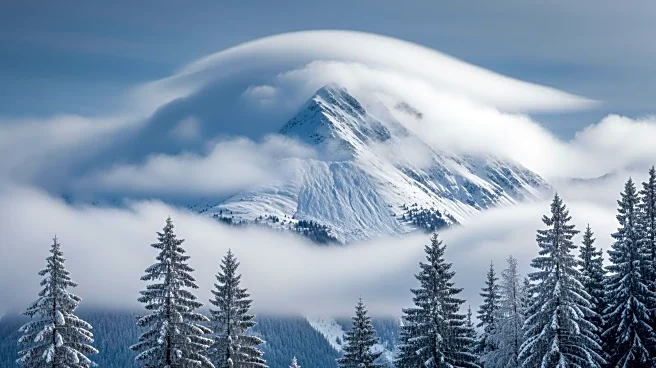
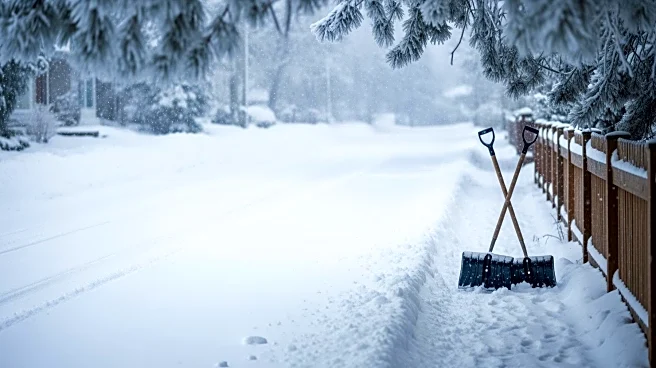
Yosemite National Park has been closed to visitors following a severe winter storm that has resulted in heavy snowfall, fallen trees, and increased avalanche risks. The park's closure, which affects all 750,000 acres, was announced after Superintendent
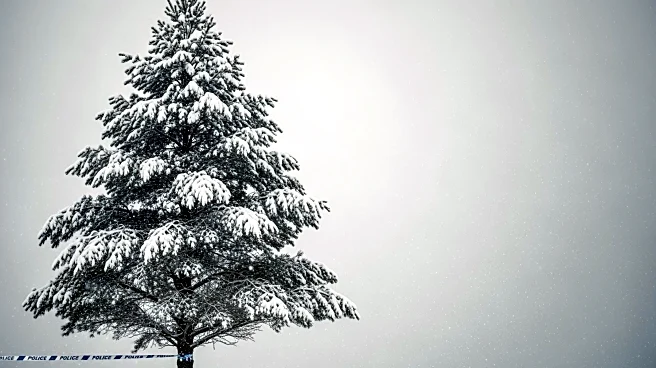
Raymond McPadden highlighted the dangers of 'high snow loading' and ongoing tree and limb failures. The storm's impact was evident as a tree fell onto a dormitory housing Yosemite Hospitality employees, prompting evacuations to Curry Village. No injuries were reported. The park has set up overnight shelters for displaced employees, and while visitors with reservations can enter through the Highway 140 entrance, travel within the park is limited to essential needs.
Why It's Important?
The closure of Yosemite National Park underscores the significant impact of severe weather on national parks and the safety of both visitors and employees. This event highlights the challenges faced by park management in ensuring safety during extreme weather conditions. The economic implications are also notable, as the park's closure could affect local businesses reliant on tourism. Additionally, the situation raises awareness about the potential for increased frequency of such weather events, possibly linked to broader climate patterns, which could necessitate more robust emergency preparedness and response strategies in the future.
What's Next?
The park's closure is set to remain in effect through Friday, with the possibility of extension depending on weather conditions. Park officials will continue to monitor the situation closely, assessing the safety of reopening. In the meantime, efforts will focus on clearing roads and ensuring the safety of structures within the park. Stakeholders, including local businesses and tourism operators, will be keenly watching for updates, as prolonged closures could have further economic repercussions. The situation may also prompt discussions on improving infrastructure and emergency response plans to better handle similar events in the future.