



What's Happening?
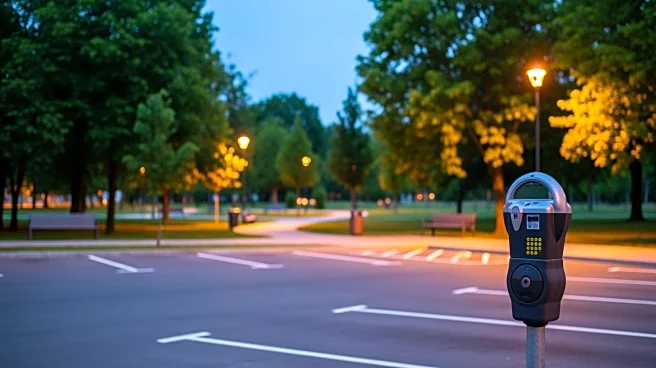
Leeds City Council's decision to introduce parking fees at public parks has led to significant disruption, as drivers opt to park on nearby residential streets to avoid the charges. This policy, implemented last year, affects several parks including Otley
Chevin, Temple Newsam, Middleton Park, Golden Acre Park, and Roundhay Park. The Conservative group on the council opposes the fees, arguing they deter visitors and harm local businesses. Alan Lamb, the group's leader, highlighted the chaos caused by the policy, noting that it diverts funds away from local businesses. Despite the opposition, the council maintains that the revenue from parking fees is essential for park maintenance and improvements, such as refurbishing car parks and installing EV charging points.
Why It's Important?
The introduction of parking fees at Leeds parks has broader implications for local businesses and community access to public spaces. By potentially reducing park visitation, the policy could negatively impact nearby businesses that rely on park-goers. Additionally, the shift of parking to residential streets creates congestion and safety concerns, affecting local residents' quality of life. The council's stance highlights the financial pressures local governments face, balancing budgetary needs with community interests. This situation underscores the challenges of urban planning and public resource management, where decisions can have unintended social and economic consequences.
What's Next?
A motion to suspend the parking charges is set to be presented at a full council meeting, indicating ongoing debate and potential policy revisions. Stakeholders, including local businesses, residents, and park users, may continue to voice their concerns, influencing future council decisions. The council's commitment to reinvesting parking revenue into park improvements suggests a focus on long-term benefits, though immediate community dissatisfaction may prompt reconsideration of the policy. Monitoring the impact of these fees and community feedback will be crucial in shaping future urban planning strategies.