
What's Happening?
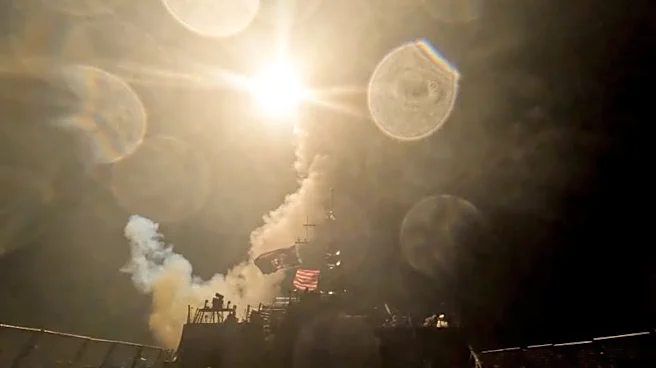
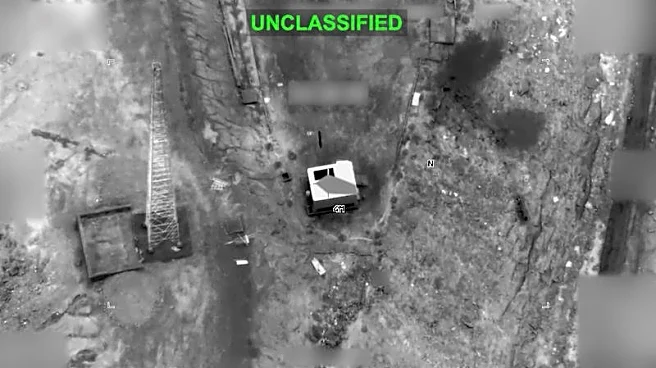
U.S. Congresswoman Delia Ramirez has publicly criticized ongoing U.S. military operations in Iran, asserting that the administration's actions are leading to civilian casualties. In a statement shared
on X, Ramirez highlighted the harm inflicted upon innocent women and children in conflict zones, specifically mentioning Iran and Palestine. Her remarks contribute to the ongoing debate in Washington regarding U.S. military policy in the region and the humanitarian consequences of these conflicts. Ramirez is advocating for congressional support of the proposed 'Block the Bombs Act,' which aims to reassert legislative authority over military actions and end what she describes as a continuous cycle of war. She also accused Congress of an inadequate response to alleged war crimes linked to President Trump and Defense Secretary Pete Hegseth.
Why It's Important?
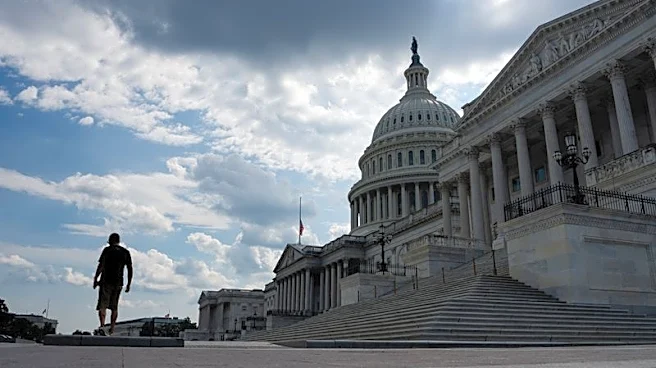
Congresswoman Ramirez's statements are significant as they challenge the current U.S. military policy and its humanitarian impact, particularly in the Middle East. Her call for the 'Block the Bombs Act' underscores a push for greater congressional oversight and accountability in military decision-making, potentially shifting the balance of power between the executive and legislative branches on matters of war. This initiative could lead to a re-evaluation of U.S. engagement in foreign conflicts and a stronger emphasis on preventing civilian harm. The criticism directed at President Trump and Defense Secretary Pete Hegseth for alleged war crimes highlights a demand for accountability from high-ranking officials, which could influence future military leadership and policy. The ongoing debate reflects a growing concern among some lawmakers about the ethical implications and long-term consequences of U.S. military interventions, potentially leading to legislative efforts to limit presidential authority in deploying military force.
What's Next?
The 'Block the Bombs Act' will likely face considerable debate and scrutiny within Congress, as it seeks to redefine the legislative branch's role in military actions. Supporters of the bill will likely push for its passage, emphasizing humanitarian concerns and constitutional authority, while opponents may argue for the necessity of executive flexibility in national security matters. Congresswoman Ramirez and her allies are expected to continue advocating for increased oversight of military operations and accountability for alleged war crimes. This could involve further public statements, legislative proposals, and potentially investigations into past and current military conduct. The broader discussion on U.S. military policy in the Middle East is anticipated to persist, with potential implications for future defense spending, international relations, and the deployment of U.S. forces abroad. The outcome of these debates could shape the future direction of U.S. foreign policy and its approach to global conflicts.
Beyond the Headlines
The deeper implications of Congresswoman Ramirez's stance extend to the ethical framework of U.S. foreign policy and the balance of power within the government. Her emphasis on civilian casualties brings to the forefront the moral responsibilities associated with military interventions and the need for a more humane approach to international relations. The push to reclaim congressional authority over military action could signify a long-term shift towards a more deliberative and accountable foreign policy, moving away from unilateral executive decisions. This debate also touches upon the public's evolving perception of military engagement, particularly in an era of increased transparency and global interconnectedness. The discussion around alleged war crimes, even if not directly leading to immediate legal action, contributes to a broader cultural and political re-evaluation of military conduct and accountability, potentially influencing public trust in government institutions and military leadership. This could foster a more critical examination of the justifications and consequences of U.S. military presence worldwide.