





What's Happening?
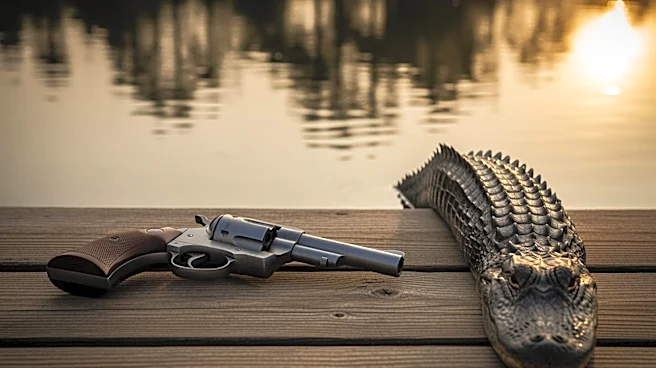
Clavicular, an internet personality whose real name is Braden Eric Peters, is facing a misdemeanor charge in Miami-Dade County, Florida, after a video surfaced showing him shooting a dead alligator in the Everglades. The incident, which took place on March
26, involved Peters and two others, Andrew Morales and Yabdiel Anibal Cotto Torres, who are also facing charges. The video, which was widely shared on social media, shows the men firing at the alligator multiple times from an airboat. Peters' attorneys argue that he was following the instructions of a licensed airboat guide and that no animals were harmed. The Florida Fish and Wildlife Conservation Commission has launched an investigation into the incident. An arraignment is scheduled for May 20.
Why It's Important?
This incident highlights the ongoing issues surrounding the treatment of wildlife and the responsibilities of social media influencers. The viral nature of the video underscores the influence and reach of online personalities, raising questions about accountability and the impact of their actions on public perception and wildlife conservation efforts. The case also brings attention to the legal implications of using firearms in public spaces and the potential consequences of content creation that involves wildlife. The involvement of the Florida Fish and Wildlife Conservation Commission indicates the seriousness with which authorities are treating the incident, emphasizing the need for respect and protection of wildlife in Florida.
What's Next?
The arraignment for Clavicular and his co-defendants is set for May 20, where they will face the charges in court. The outcome of this case could set a precedent for how similar incidents are handled in the future, particularly those involving social media influencers and wildlife. The legal proceedings may also prompt discussions among policymakers and wildlife conservationists about the need for stricter regulations and enforcement to prevent similar occurrences. Additionally, the public and media attention surrounding the case may influence how influencers approach content creation involving wildlife, potentially leading to more responsible and ethical practices.
Beyond the Headlines
The incident raises broader ethical questions about the role of social media in shaping public attitudes towards wildlife and conservation. It highlights the potential for social media platforms to be used for both positive and negative purposes, depending on the actions of influencers. The case also reflects the growing scrutiny of influencer behavior and the need for greater awareness and education about the impact of their actions on society and the environment. As influencers continue to wield significant power and influence, there is a growing call for them to act responsibly and consider the broader implications of their content.