
What's Happening?
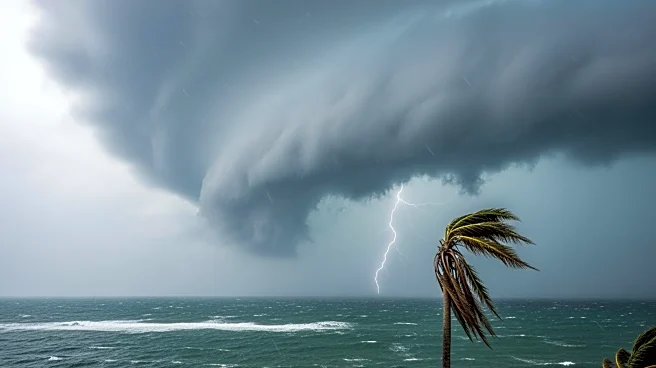
Hurricane Melissa, one of the most powerful Atlantic storms in over 150 years, has caused widespread devastation across the Caribbean. The storm, which intensified rapidly from a tropical storm to a Category
5 hurricane, brought torrential rains and winds up to 185 mph. It has resulted in at least 30 deaths, with the full extent of the damage still being assessed. Jamaica, Cuba, and the Bahamas were particularly hard hit, with significant infrastructure damage and widespread flooding. Jamaican Prime Minister Andrew Holness has declared the country a disaster area, emphasizing the resilience of the Jamaican people. In Cuba, over 735,000 people were evacuated, and in the Bahamas, evacuation orders were issued for several islands. The storm has also affected the Dominican Republic and Haiti, where additional casualties have been reported.
Why It's Important?
The impact of Hurricane Melissa is significant due to the extensive damage to infrastructure and the high number of casualties. The storm has disrupted daily life and economic activities in the affected regions, with many areas left without electricity and essential services. The international response, including aid from the United States and the United Kingdom, highlights the global concern for the affected communities. The disaster underscores the vulnerability of Caribbean nations to powerful storms, which are becoming more frequent and intense due to climate change. The economic and social recovery will require substantial international support and long-term planning to rebuild and strengthen infrastructure against future storms.
What's Next?
Recovery efforts are underway, with international aid being mobilized to support the affected regions. The United States has authorized a response to provide search and recovery assistance, while the UK has pledged emergency humanitarian funding. The Jamaican government has launched a website to coordinate relief efforts and provide updates. As the storm moves away, the focus will shift to rebuilding and addressing the immediate needs of displaced and affected populations. Long-term strategies will be necessary to enhance resilience against future hurricanes, including infrastructure improvements and community preparedness programs.