
What's Happening?
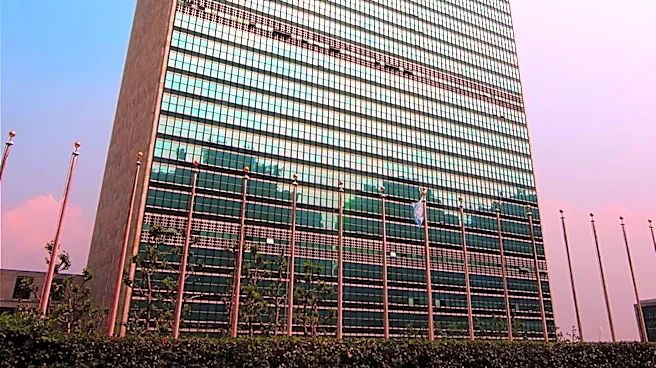
The United Nations is currently grappling with a severe financial crisis, exacerbated by member states failing to pay their dues on time. This financial strain comes at a time when global military expenditure
is skyrocketing, reaching $2.9 trillion in 2025. The UN, which was established to maintain global peace and security, is now struggling to fulfill its mandate due to inadequate funding. Despite its financial woes, the UN has achieved significant successes over its 81-year history, including decolonization efforts and the establishment of the Sustainable Development Goals. However, the organization's capacity to address complex global issues is being undermined by the lack of financial support from its member states.
Why It's Important?
The financial instability of the United Nations poses a significant threat to global peace and security. As military spending continues to rise, the UN's ability to act as a peacekeeping force is compromised. This situation highlights the disparity between global military expenditure and the funding allocated to international peacekeeping efforts. The UN's financial crisis could lead to a reduction in its ability to mediate conflicts, provide humanitarian aid, and promote sustainable development. The organization's struggle to secure funding underscores the need for a reevaluation of global priorities, emphasizing the importance of cooperative security over military might.
What's Next?
If the financial situation does not improve, the UN may be forced to delay or reduce its operations, impacting its ability to conduct peacekeeping missions and provide humanitarian aid. The upcoming High-Level Week of the General Assembly could be affected if major donors do not fulfill their financial commitments. The UN Secretary-General has called for a recommitment to peace and a revitalization of the organization to meet future challenges. Member states, particularly major contributors like the US and China, will need to address their outstanding dues to prevent further financial collapse.
Beyond the Headlines
The UN's financial crisis raises ethical questions about the allocation of global resources. While military budgets soar, the funding for peacekeeping and humanitarian efforts remains insufficient. This imbalance reflects a broader issue of prioritizing military solutions over diplomatic and cooperative approaches to global security. The situation also highlights the need for greater public awareness and involvement in ensuring that governments allocate resources in a way that promotes genuine security and peace.