






What's Happening?
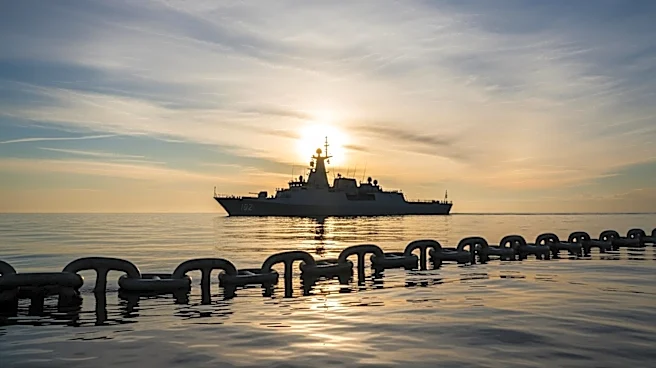
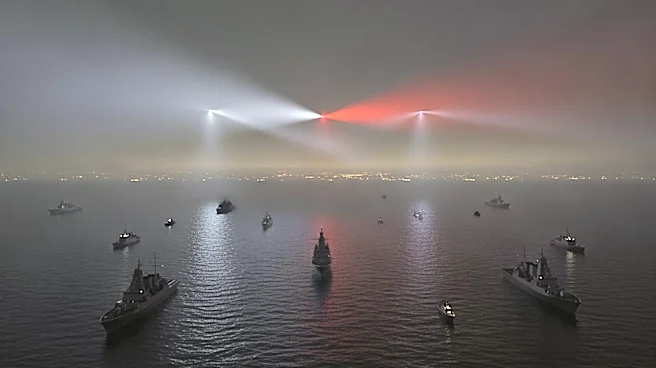
Iran has threatened to close the Strait of Hormuz, a critical chokepoint for global oil shipments, in response to what it perceives as a U.S. blockade. This development follows a series of escalating tensions between the two nations, including recent
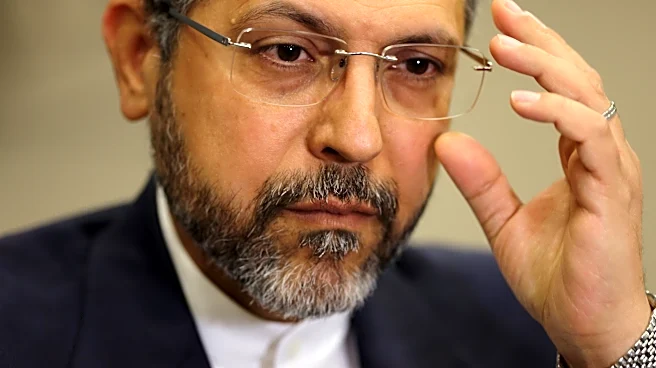
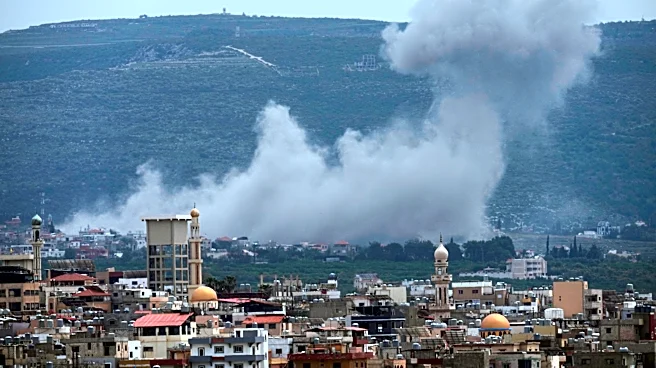
attacks on vessels near the strait. Iranian Deputy Foreign Minister Saeed Khatibzadeh criticized the U.S. for its 'maximalist' demands, which have stalled diplomatic talks. The situation has been further complicated by the killing of a French UNIFIL soldier in Lebanon, for which Hezbollah has been blamed. The closure of the strait could have significant implications for global oil supply and prices.
Why It's Important?
The Strait of Hormuz is a vital passage for the global oil supply, with a significant portion of the world's petroleum passing through it. Any disruption could lead to increased oil prices and impact global markets. The threat to close the strait underscores the fragility of the current geopolitical climate in the Middle East and highlights the potential for conflict to affect international trade and energy security. The situation also reflects broader tensions between Iran and Western nations, particularly the U.S., which could have far-reaching implications for international diplomacy and regional stability.
What's Next?
The international community is closely monitoring the situation, with potential diplomatic interventions aimed at de-escalating tensions. The U.S. and its allies may seek to negotiate terms that prevent the closure of the strait, while Iran may continue to leverage its control over the passage as a bargaining chip in broader negotiations. The outcome of these tensions could influence future U.S.-Iran relations and impact global energy policies. Additionally, the incident involving the French soldier may prompt further international involvement in Lebanon, potentially affecting regional dynamics.