
What's Happening?
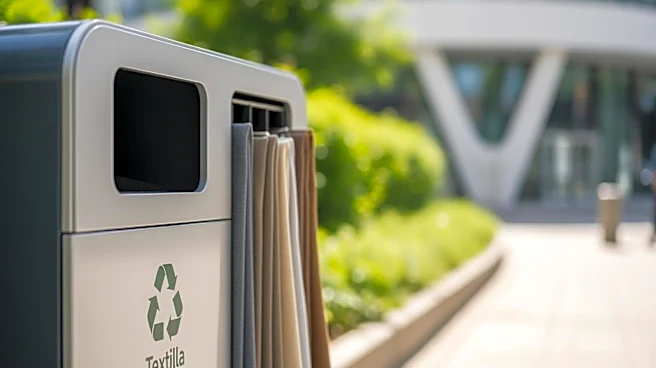
California is advancing its efforts to tackle textile waste through the implementation of the country's first end-of-life policy for textiles, known as the Extended Producer Responsibility (EPR) program.
The state has appointed Landbell USA as the Producer Responsibility Organization (PRO) under SB 707, marking a shift from policy design to practical implementation. This initiative aims to address the significant issue of textile waste, where approximately 85% of textiles in the U.S. are discarded. The program emphasizes the importance of reuse, which is considered the most effective way to reduce textile waste. However, the success of this initiative depends on the development of a robust collection infrastructure that can support the reuse and recycling of textiles. The program also highlights the need for transparency and alignment across different levels of government to ensure the effective scaling of collection networks.
Why It's Important?
The implementation of California's Textile EPR program is significant as it addresses the growing problem of textile waste, which is a major environmental concern. By focusing on reuse and developing a comprehensive collection infrastructure, the program aims to reduce the volume of textiles ending up in landfills. This initiative not only has environmental benefits but also economic implications, as it could create new markets for recycled textiles and support local economies. The program's success could serve as a model for other states, potentially leading to nationwide adoption of similar policies. Additionally, the emphasis on transparency and government alignment could lead to more effective waste management practices and increased public trust in recycling systems.
What's Next?
As California moves forward with the implementation of its Textile EPR program, the focus will be on building the necessary collection infrastructure to support the reuse and recycling of textiles. This will involve collaboration between state and local governments to ensure that local regulations support the program's objectives. The state aims to have a system in place by 2030 where local ordinances align with state circularity goals, and funding reflects the true cost of recovery. The program's progress will be closely monitored, and its outcomes could influence the development of similar initiatives in other states. Stakeholders, including policymakers, environmental groups, and the textile industry, will likely play a key role in shaping the program's future.