
What's Happening?
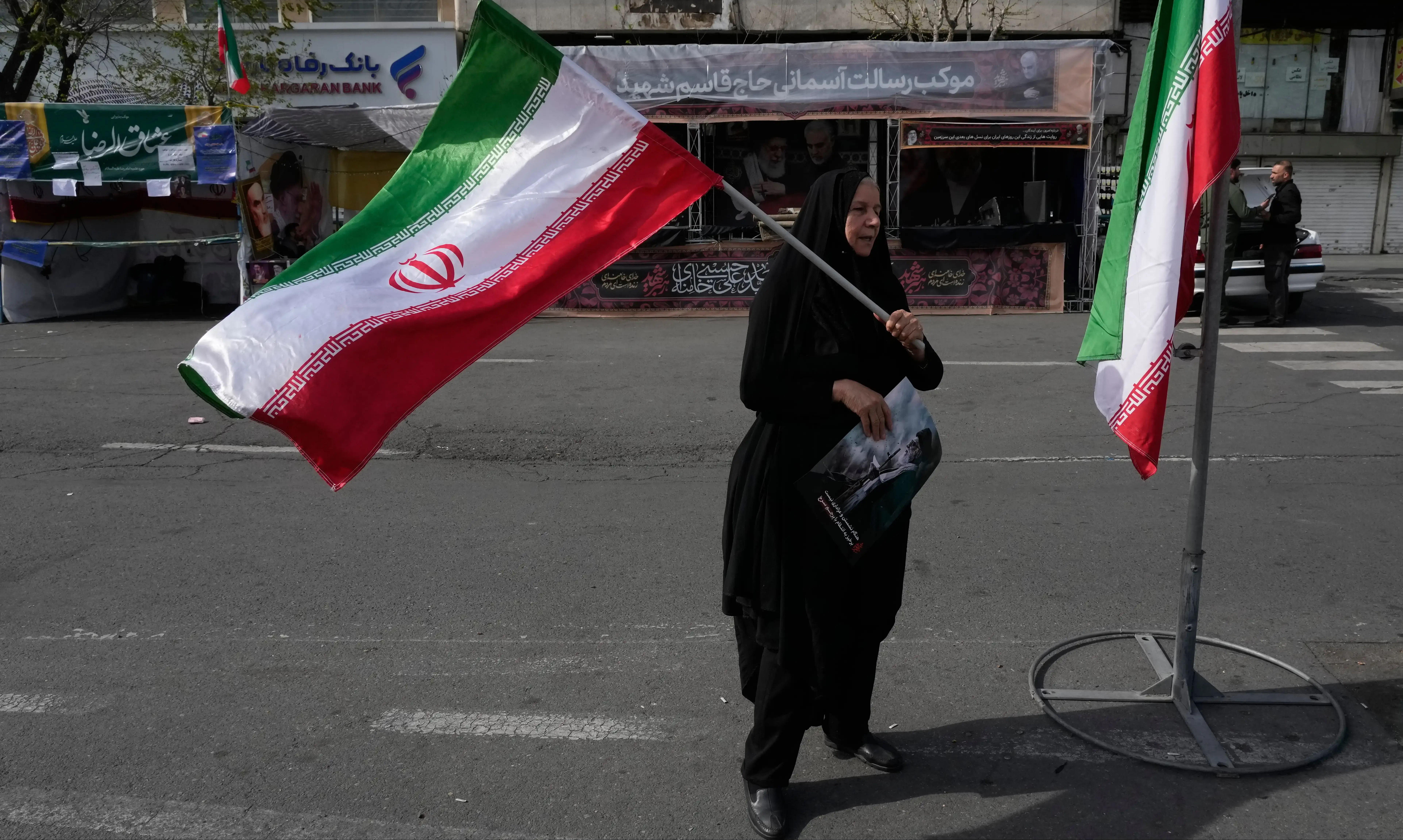
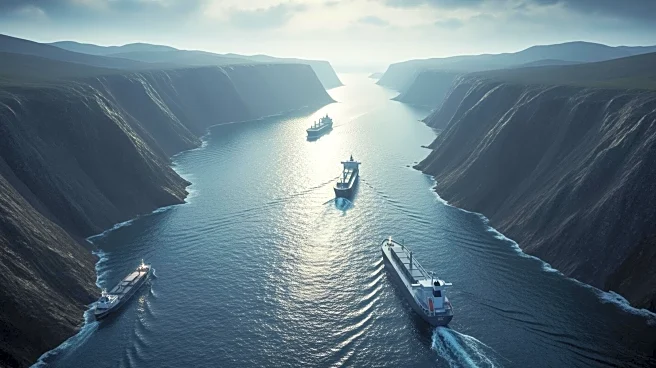
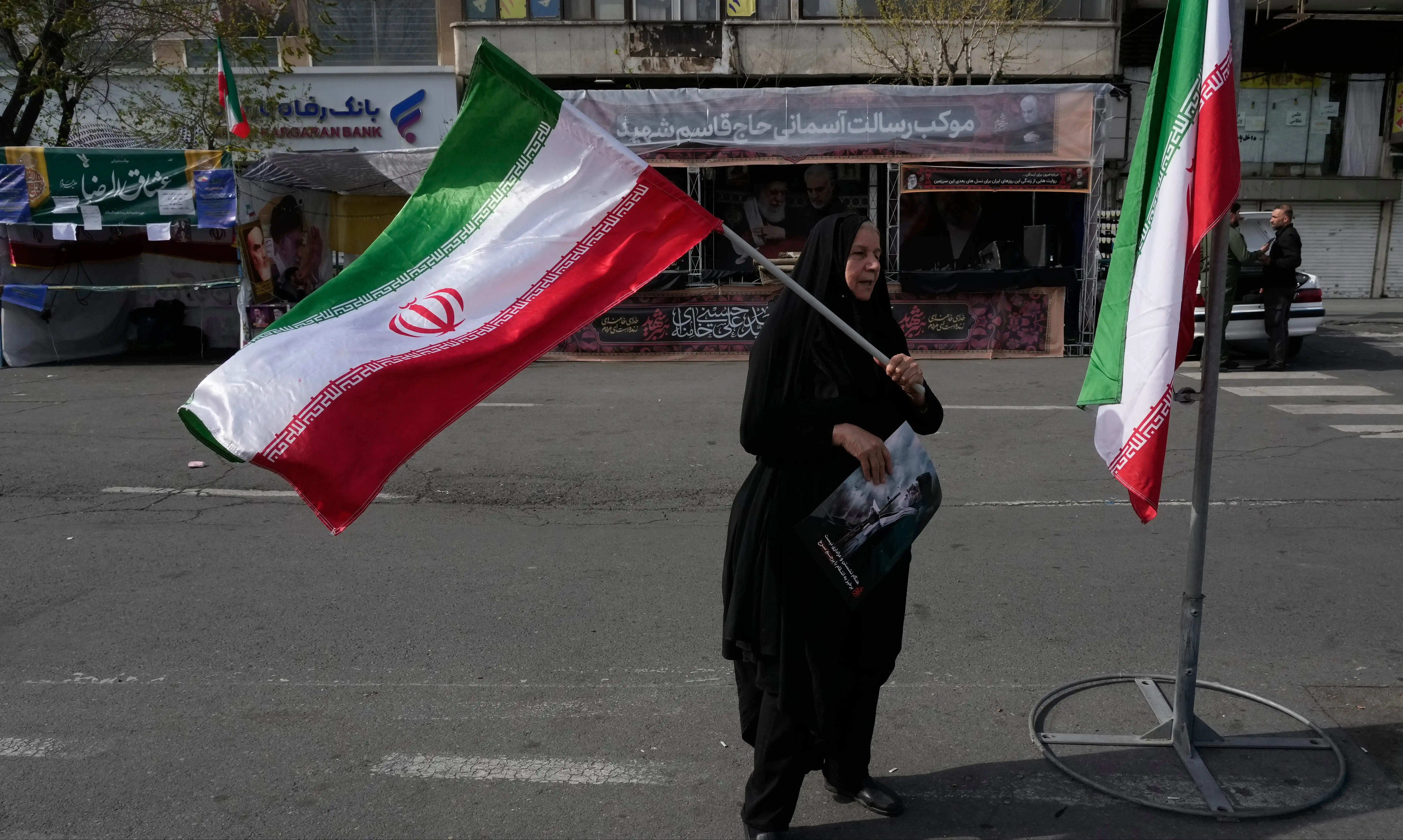
In response to a 48-hour ultimatum from U.S. President Donald Trump, Iran has threatened to completely close the Strait of Hormuz if its power plants are attacked. Trump demanded that Iran fully reopen the waterway, which is crucial for the transit of a fifth
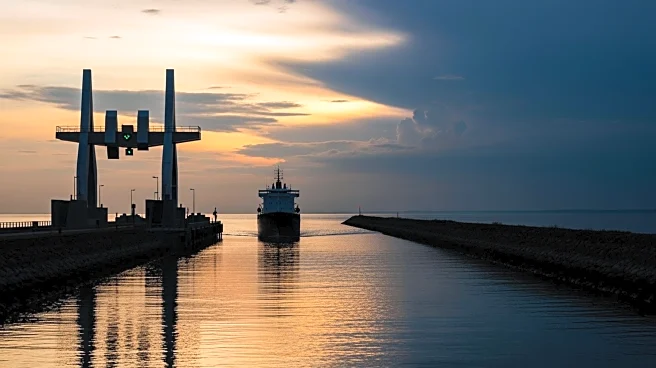
of the world's oil and liquefied natural gas. Iran's president, Masoud Pezeshkian, stated that the strait remains open to all except those violating Iranian soil. The Iranian Revolutionary Guards warned that the strait would remain closed until Iran's power plants are rebuilt if they are destroyed. The situation has led to a halt in tanker traffic and a surge in oil prices, putting global markets under severe strain.
Why It's Important?
The Strait of Hormuz is a critical artery for global energy supplies, and its closure could have catastrophic effects on the global economy. The current standoff highlights the strategic importance of the strait and the potential for military conflict to disrupt international trade. The U.S. ultimatum and Iran's response underscore the high stakes involved, with potential repercussions for energy prices, economic stability, and geopolitical alliances. The situation also reflects broader tensions in U.S.-Iran relations and the challenges of navigating complex international conflicts.
What's Next?
The international community will likely intensify diplomatic efforts to prevent further escalation and ensure the security of maritime routes. The U.S. may consider additional measures to pressure Iran, while Iran may seek to bolster its defenses and alliances. The potential for military conflict remains high, with significant implications for regional and global stability. Stakeholders will be closely monitoring developments, as any miscalculation could lead to a broader conflict with far-reaching consequences.