






What's Happening?
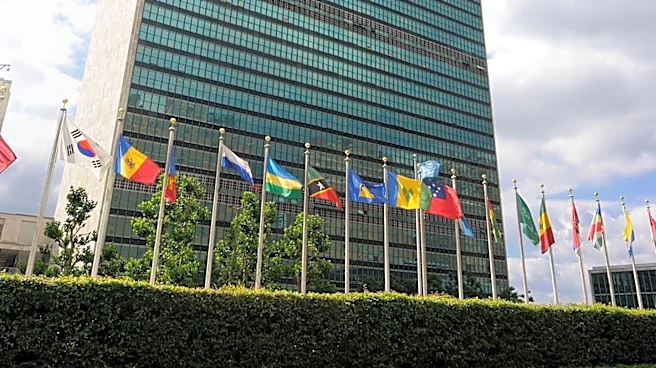
The United Nations has initiated a new Country Support Mechanism on Critical Energy Transition Minerals. This mechanism aims to assist developing nations rich in these essential minerals in establishing sustainable, responsible, and resilient mineral value
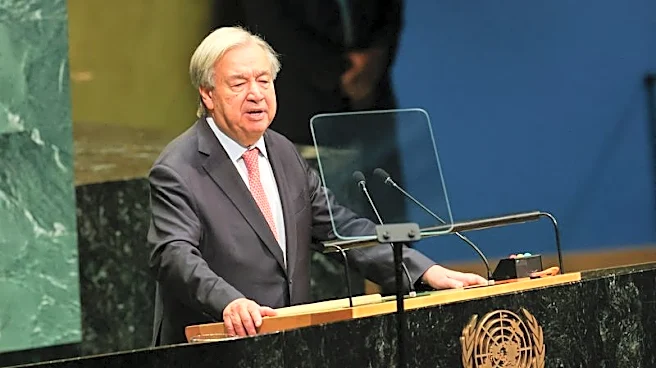
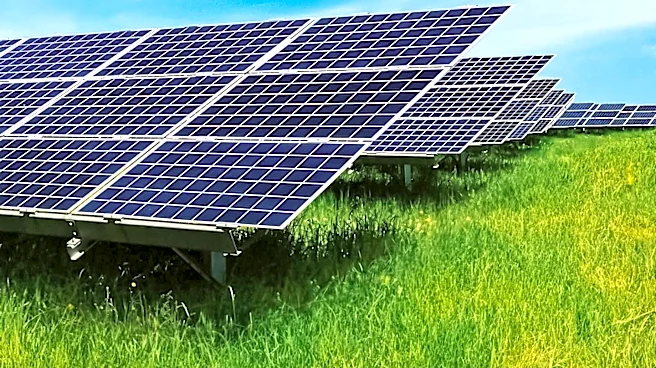
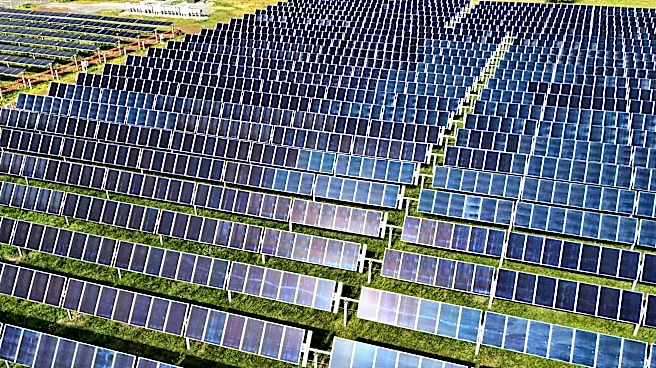
chains. The goal is to ensure that the benefits of the global energy transition are realized by the countries and communities at the source of these resources. Guinea, Indonesia, Madagascar, Nigeria, Zambia, and Zimbabwe are the first six countries selected to receive dedicated support through this initiative. The UN Secretary-General, Antonio Guterres, emphasized that countries possessing critical minerals, such as copper, lithium, nickel, cobalt, and rare earth elements—vital for clean energy technologies like wind turbines, solar panels, electric vehicles, and battery storage—should be the primary beneficiaries of their extraction. The demand for these minerals is projected to nearly triple by 2030 as the world transitions to renewable energy sources to achieve net-zero carbon dioxide emissions by 2050. The mechanism will provide coordinated technical and capacity-building assistance to address challenges related to equity, transparency, investment, sustainability, and human rights in the mineral sector.
Why It's Important?
This initiative is crucial because it addresses the potential for resource-rich developing countries to be exploited in the global race for critical minerals, rather than benefiting from them. Historically, mineral extraction in these nations has often led to commodity dependence, geopolitical tensions, and environmental and human rights issues, without significant local economic development. By focusing on building sustainable and responsible value chains, the UN mechanism seeks to transform mineral wealth into jobs, industrial development, and prosperity within these countries. This approach could help diversify their economies and strengthen their position in the global clean energy transition. For the U.S. and other developed nations, ensuring a stable and ethically sourced supply of critical minerals is vital for their own clean energy goals. This mechanism could contribute to more secure supply chains by fostering better governance and reducing the risks associated with irresponsible mining practices, ultimately supporting the global shift away from fossil fuels.
What's Next?
The initial phase will see the UN Development Programme and the UN Development Coordination Office leading the mechanism, coordinating expertise from across the UN system. Teams will work on the ground through UN Resident Offices in the six selected countries—Guinea, Indonesia, Madagascar, Nigeria, Zambia, and Zimbabwe—to identify specific needs and provide tailored assistance. This assistance will prioritize governance, value addition, industrial development, and environmental and human safeguards. The initiative will be guided by the principles and recommendations of the Secretary-General’s Panel on Critical Energy Transition Minerals. Future steps will likely involve expanding the program to more resource-rich developing countries as the demand for critical minerals continues to grow. The success of this mechanism will depend on effective collaboration between governments, local communities, and industry, as well as sustained international support to ensure that the benefits of mineral extraction are equitably distributed and contribute to long-term sustainable development.
Beyond the Headlines
Beyond the immediate economic and environmental implications, this UN initiative carries significant ethical and geopolitical weight. It challenges the traditional model where developing nations primarily serve as raw material exporters, often at the expense of their own development and environmental integrity. By emphasizing equity, justice, and sustainability, the mechanism aims to reframe the global energy transition as an opportunity for shared prosperity rather than a new form of resource colonialism. This shift could lead to a more balanced global economic landscape, reducing potential conflicts over critical resources and fostering greater international cooperation. Furthermore, by promoting responsible mining practices and local value addition, the initiative could set new global standards for resource governance, influencing how multinational corporations operate in developing countries and encouraging greater corporate social responsibility. The long-term success of this mechanism could serve as a blueprint for addressing similar resource-related challenges in other sectors, promoting a more just and sustainable global economy.