







What's Happening?
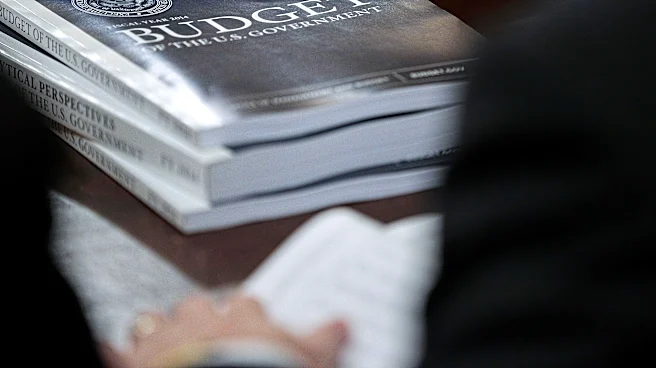
Minneapolis city leaders are currently grappling with a significant $60 million budget gap, leading to intense public scrutiny and calls for both cuts and increased funding during recent City Council listening sessions. Residents voiced concerns over
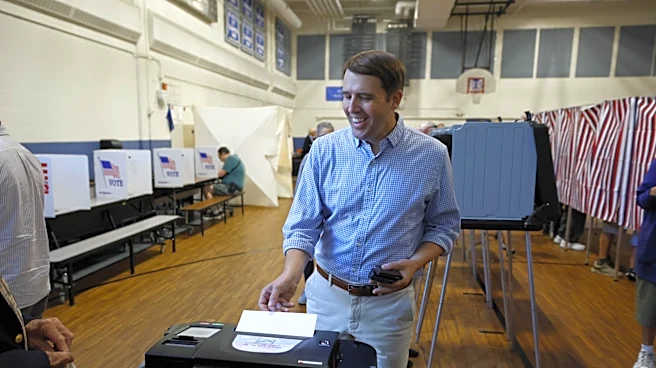
potential service reductions, job impacts, and spending priorities related to the city's more than $2 billion budget. During the second of two packed listening sessions, community members expressed strong opinions, with some criticizing the budget as a 'catastrophic failure' of fiscal responsibility, while others advocated for specific programs like the 30th Street Thrive Plan. Council members acknowledged the diverse feedback, with Council Member Elizabeth Shaffer noting that much of the impact would be seen in proposed amendments to restore cuts. Council Member Aisha Chughtai cited past instances where testimony from low-wage workers influenced code enforcement interpretations in previous budgets.
Why It's Important?
The $60 million budget gap in Minneapolis highlights the ongoing fiscal challenges faced by many U.S. cities, often stemming from economic fluctuations, changing revenue streams, and increasing demands for public services. The public's active participation in budget listening sessions underscores the importance of civic engagement in local governance and the direct impact of financial decisions on residents' daily lives. The debate over cuts versus funding reflects differing community priorities and the difficult choices city councils must make to balance fiscal responsibility with public welfare. How Minneapolis addresses this deficit could set a precedent for future budget cycles and influence public trust in city leadership, particularly concerning transparency and responsiveness to constituent needs. The outcome will directly affect city services, employment, and community development initiatives.
What's Next?
Following the public listening sessions, Minneapolis City Council members will begin the process of submitting amendments to the proposed budget. These amendments will likely reflect some of the concerns raised by residents, potentially aiming to restore cuts in certain areas or reallocate funds to prioritized programs. Council members have indicated that while not all concerns can be addressed, community feedback does influence the final budget. The process will involve further deliberations and negotiations among council members to reach a consensus on the allocation of resources. The final adopted budget will determine the city's financial framework for the upcoming fiscal year, impacting various departments and services. Residents will be closely watching to see how their input translates into concrete budgetary decisions.
Beyond the Headlines
The Minneapolis budget crisis reveals deeper tensions within urban governance regarding resource allocation and equity. The passionate pleas from residents for specific funding or against cuts often reflect underlying social and economic disparities within the city. Decisions made during this budget cycle could exacerbate or alleviate these disparities, depending on which programs are prioritized or cut. For instance, cuts to social services could disproportionately affect vulnerable populations, while investments in infrastructure could stimulate economic growth in specific neighborhoods. This budget process is not just about numbers; it's about the city's values, its commitment to its diverse communities, and its vision for future development. The outcome will shape the social fabric and economic landscape of Minneapolis for years to come, influencing everything from public safety to housing and education.