





What's Happening?
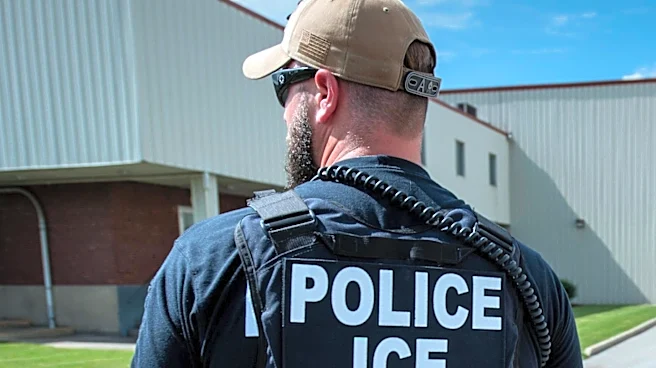
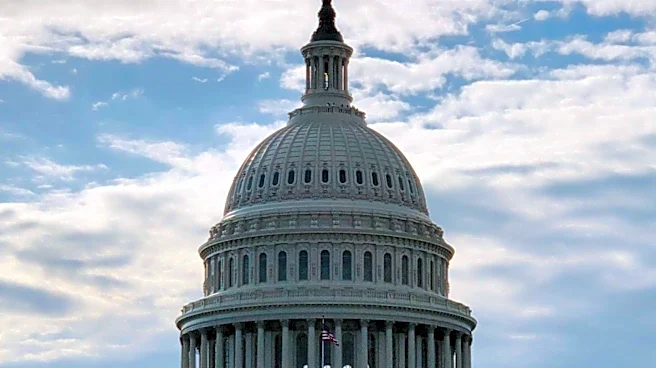
A congressional committee responsible for investigation and government reform recently heard testimony regarding five individuals fatally shot by Immigration and Customs Enforcement (ICE) officers. Sean P. Murphy, representing the family of Johan Sebastián
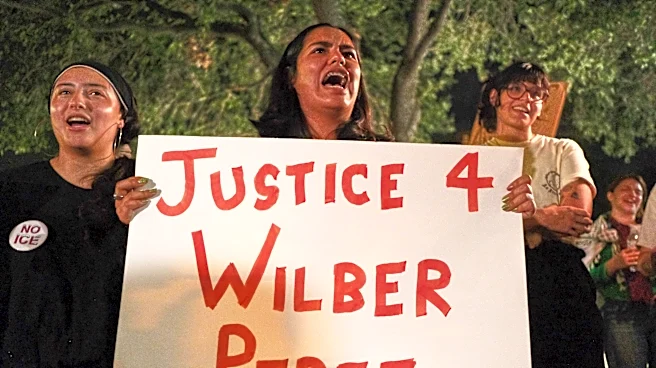
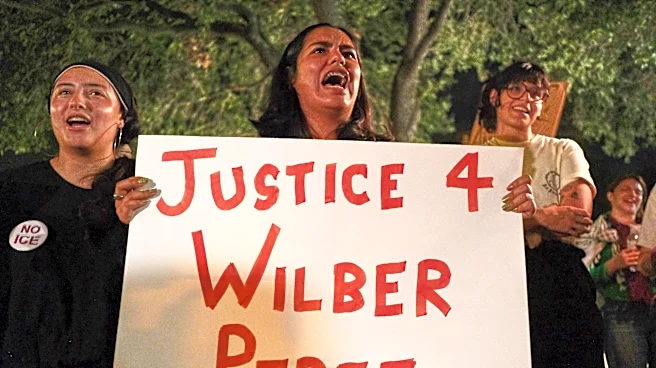
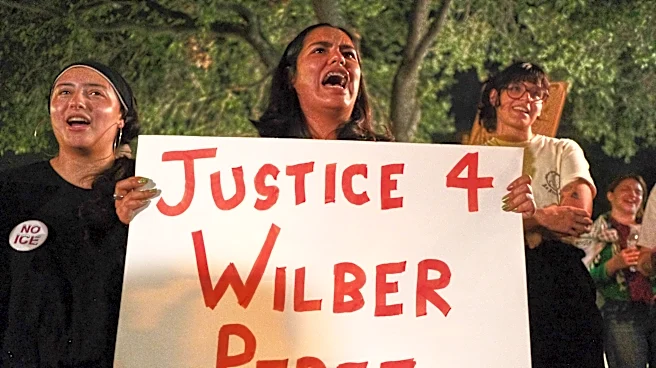
Durán Guerrero, who was killed by an ICE agent on July 13, stated that Guerrero was not the target of an ICE enforcement action and had no criminal history. Murphy read a statement from Guerrero's partner, Karolina Rojas Alvarez, who called for justice and asserted that no immigrant should be murdered in such a manner. Murphy also highlighted that Guerrero possessed a Social Security number and valid work authorization issued by the current administration. He criticized the administration's decision to take Guerrero's life. The Maine attorney general's office is currently investigating the shooting. Committee members expressed significant concern over the perceived lack of accountability and transparency from the Department of Homeland Security regarding these incidents.
Why It's Important?
This congressional hearing underscores critical issues surrounding immigration enforcement, civil liberties, and government accountability in the United States. The testimony brings to light concerns about the conduct of federal agents and the potential for excessive force, particularly against individuals who may not pose an immediate threat or have a criminal record. The demand for criminal prosecutions and increased transparency from the Department of Homeland Security reflects a broader public and political push for greater oversight of federal agencies. The case of Johan Sebastián Durán Guerrero, an individual with valid work authorization, raises questions about the scope and justification of ICE operations and their impact on immigrant communities. This situation could lead to renewed calls for legislative reforms to define and limit the powers of immigration enforcement, potentially influencing future immigration policies and the training protocols for ICE agents. The ongoing investigation by the Maine attorney general's office also highlights the role of state-level authorities in scrutinizing federal actions.
What's Next?
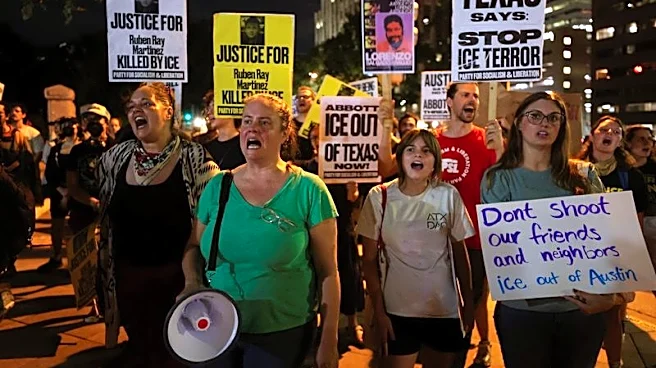
The ongoing investigation by the Maine attorney general's office into the shooting of Johan Sebastián Durán Guerrero will likely continue, with potential legal ramifications for the ICE agent involved. The congressional committee's expressed concerns about accountability and transparency from the Department of Homeland Security suggest that further hearings, investigations, or legislative actions could be pursued. This could include demands for internal reviews within ICE, the implementation of new oversight mechanisms, or the introduction of legislation aimed at reforming immigration enforcement practices. Advocacy groups and civil society organizations are expected to continue pressuring lawmakers and the administration for justice for the victims and for systemic changes to prevent similar incidents. The outcome of these efforts could influence public perception of immigration enforcement and potentially lead to shifts in policy regarding the use of force by federal agents and the protection of immigrant rights.
Beyond the Headlines
The incidents discussed in the congressional hearing touch upon deeper societal and ethical questions regarding the treatment of immigrants and the balance of power between federal agencies and individual rights. The narrative of individuals with valid documentation being fatally shot by federal agents challenges the perception of who is targeted by immigration enforcement and raises concerns about due process and the rule of law. This situation could exacerbate existing tensions between immigrant communities and law enforcement, potentially leading to increased distrust and fear. Furthermore, the committee's focus on the lack of accountability and transparency from the Department of Homeland Security highlights a broader challenge in democratic governance: ensuring that powerful federal agencies operate within ethical and legal boundaries and are subject to meaningful oversight. The long-term implications could include a re-evaluation of the role and powers of ICE, a push for more community-oriented policing models in immigration enforcement, and a national dialogue on the human cost of current immigration policies.