

What's Happening?
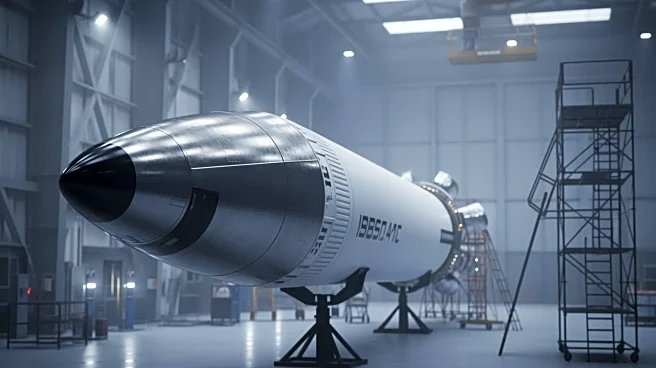
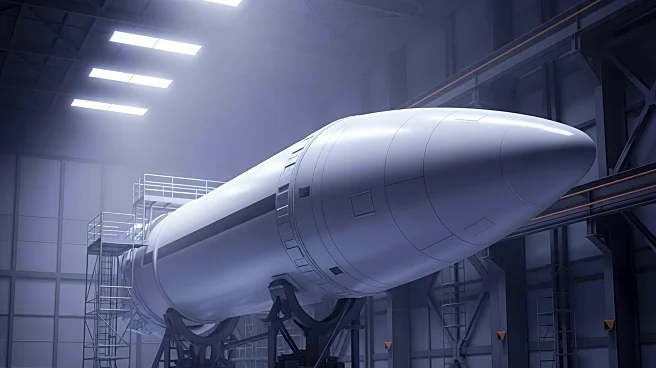
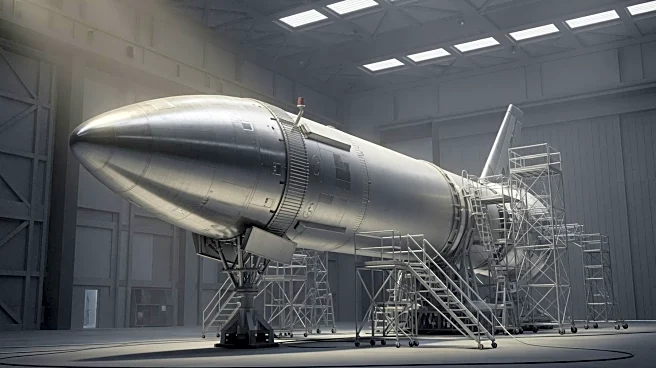
NASA's Artemis 2 moon rocket has been returned to the Vehicle Assembly Building (VAB) at Kennedy Space Center for repairs after a helium flow issue was detected. The Space Launch System (SLS) rocket, which is set to carry four astronauts on a mission
around the moon, was rolled back from the launch pad following a successful wet dress rehearsal that revealed the malfunction. The mission, originally scheduled for March, is now delayed until at least April. The rollback allows engineers to access and address the problem with the rocket's upper stage, which is crucial for the mission's success.
Why It's Important?
The Artemis 2 mission is a pivotal part of NASA's broader Artemis program, which aims to return humans to the moon and establish a sustainable presence there. Delays in this mission could have cascading effects on subsequent missions, including the planned Artemis 3 mission, which aims to land astronauts on the lunar surface. The technical issues highlight the complexities and challenges of space exploration, particularly in developing and launching new technologies. The delay also affects international collaboration, as the mission includes a Canadian astronaut, emphasizing the global interest and investment in lunar exploration.
What's Next?
NASA will focus on diagnosing and fixing the helium system issue while the rocket is in the VAB. The agency plans to conduct another wet dress rehearsal to ensure all systems are functioning correctly before the rescheduled launch. The outcome of these repairs and tests will be critical in determining the new launch date. NASA's ability to address these technical challenges efficiently will be crucial for maintaining the schedule of the Artemis program and its long-term goals of lunar and Mars exploration.