
What's Happening?
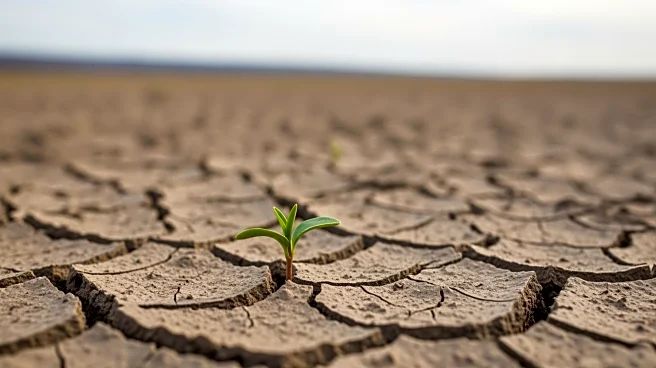
The agricultural sector in Arkansas is experiencing significant economic challenges, with net farm income projected to decline by 8% in 2025, according to the Rural and Farm Finance Policy Analysis Center.
This decline is attributed to a combination of factors, including market turbulence, increased input costs, and adverse weather conditions. Despite a larger harvest, many farmers are facing losses rather than profits. The situation is exacerbated by the potential for another government shutdown, which could impact additional funding from Congress. The state's cattle industry is also struggling, with inventories at their lowest since the 1950s, and the poultry sector is dealing with the threat of avian influenza.
Why It's Important?
The economic difficulties faced by Arkansas's agricultural sector have broader implications for the U.S. economy, particularly in rural areas where farming is a major economic driver. The decline in farm income could lead to increased financial strain on farmers, potentially resulting in farm closures and job losses. Additionally, the challenges in the cattle and poultry industries could affect food prices and supply chains. The situation highlights the need for effective policy interventions to support the agricultural sector and mitigate the impact of economic and environmental challenges.
What's Next?
Looking ahead, Arkansas farmers are seeking ways to improve their margins, such as renegotiating farm leases and deferring equipment purchases. The state is also exploring new markets for forestry products and implementing new forest management approaches. However, the outlook for 2026 remains challenging, with tight margins and low crop prices expected to persist. The potential for additional government funding is uncertain, as political headwinds could hinder the approval of new financial assistance packages.