






What's Happening?
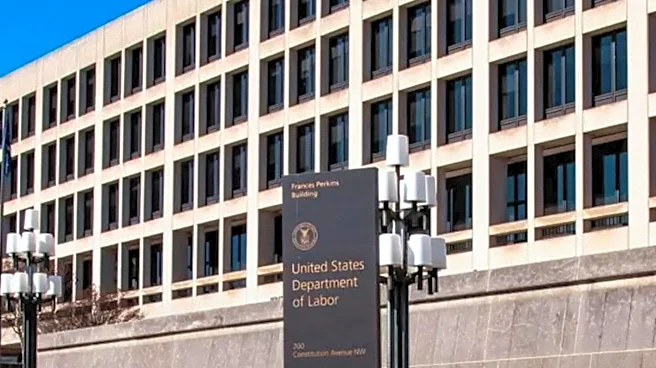
The U.S. Department of Labor Office of Inspector General (DOL OIG) has announced significant enforcement actions against individuals involved in various fraud schemes, including bank fraud, identity theft, wire fraud, and unemployment insurance fraud.
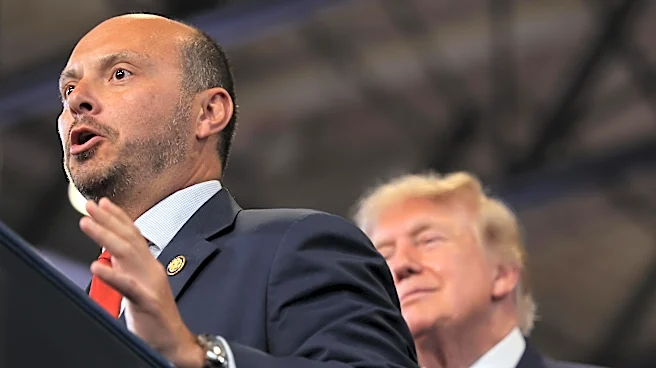
These cases have collectively resulted in federal prison sentences exceeding 36 years and nearly $2 million in financial penalties and restitution. Inspector General Anthony P. D’Esposito emphasized the DOL OIG's commitment to pursuing those who exploit benefit programs and defraud American taxpayers. Notable cases include Katrina McCant, a former Maryland Department of Labor contractor, sentenced to four years for fraudulently obtaining unemployment insurance benefits using insider access, and Jacob Michael Laufenberg, sentenced to over two years for stealing government funds intended for unemployed workers during the COVID-19 pandemic. Additionally, Vernon McCreath and Mikhail McCreath received sentences of 192 and 140 months, respectively, for a multi-million dollar bank fraud and identity theft scheme, while Karin L. Contreras was sentenced to 27 months for her role in a scheme to defraud unemployment insurance programs using stolen identities.
Why It's Important?
These enforcement actions by the DOL OIG are critical for maintaining the integrity of federal benefit programs and protecting taxpayer funds. The cases highlight the persistent threat of fraud, particularly in programs like unemployment insurance, which saw increased vulnerability during the COVID-19 pandemic. The substantial prison sentences and financial penalties serve as a deterrent to potential fraudsters and underscore the government's resolve to hold accountable those who attempt to exploit public assistance systems. The involvement of an insider, like Katrina McCant, also points to the importance of internal controls and vigilance within government agencies to prevent corruption. By recovering stolen funds and ensuring justice, the DOL OIG helps to restore public trust in government programs and ensures that resources are directed to their intended beneficiaries.
What's Next?
The DOL OIG continues its efforts to investigate and prosecute fraud against the Department of Labor's programs and operations. Inspector General D’Esposito has stated that the OIG will not cease its pursuit of fraudsters, both internal and external. The public is encouraged to report any suspected wrongdoing involving DOL programs or operations through the DOL-OIG Hotline. This ongoing vigilance suggests that more enforcement actions are likely as the OIG continues to uncover and address fraudulent activities. The focus on pandemic-related fraud also indicates a continued effort to address the lingering effects of schemes that emerged during that period, ensuring that those who took advantage of a national crisis face consequences.
Beyond the Headlines
The nature of these fraud cases, ranging from individual unemployment benefit theft to sophisticated multi-million dollar bank fraud, reveals the diverse tactics employed by criminals. The targeting of religious organizations, small businesses, charitable organizations, and public-school systems in some schemes highlights the broad impact of these crimes beyond just government funds. The OIG's success in securing significant sentences also reflects the collaborative efforts between federal and state law enforcement agencies. Beyond the immediate financial and legal consequences, these cases contribute to a broader narrative about accountability and the protection of public resources, reinforcing the message that exploiting systems designed to help vulnerable populations will not be tolerated. The emphasis on rooting out 'fraudsters from within' also points to the critical need for ethical conduct and robust oversight within government institutions.