






What's Happening?
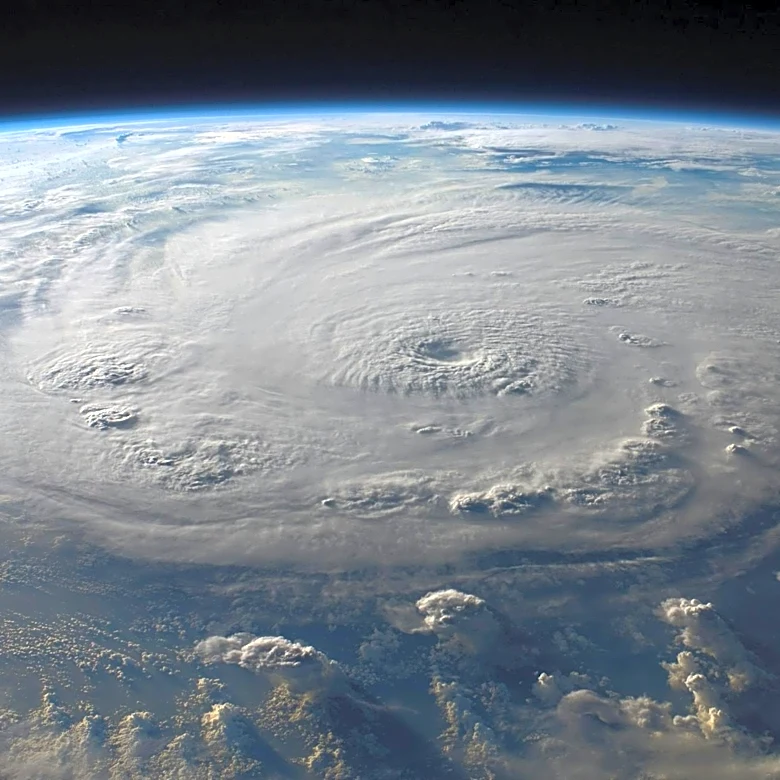
Typhoon No. 6 is expected to bring severe weather conditions to Okinawa Prefecture, Japan, on June 1, before moving towards the main Japanese islands of Kyushu and Shikoku. The Japan Meteorological Agency has classified the typhoon as particularly strong,
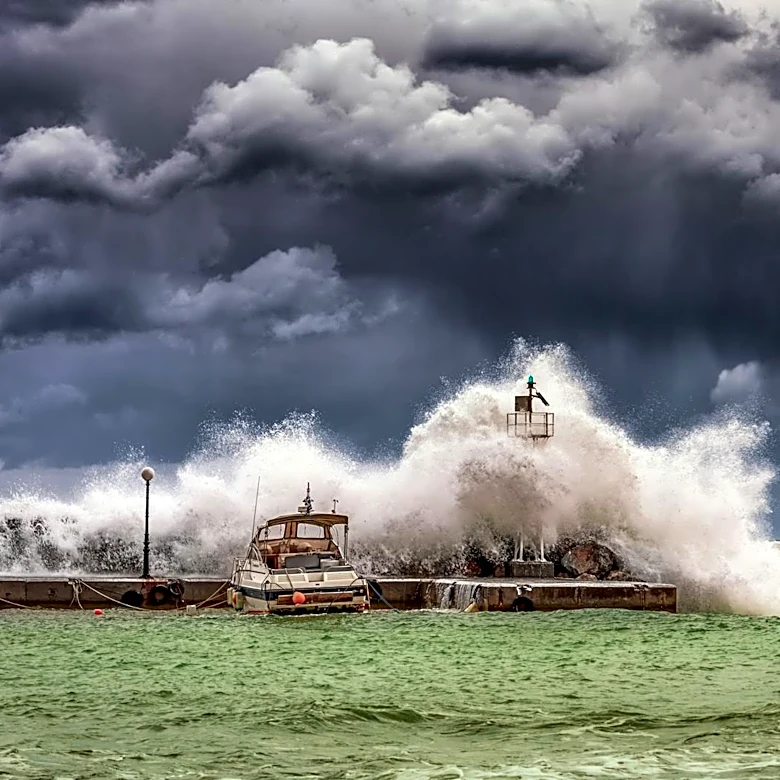
with a wide area of potentially destructive winds. In anticipation of the typhoon, power outages and disruptions in air travel and transportation have already been reported in Okinawa. Local municipalities have issued evacuation orders, and shelters have been established in various locations. Naha Airport will remain closed for the entire day, and public transportation services, including buses and the monorail on Okinawa's main island, have been suspended. The typhoon is expected to bring heavy rainfall, with forecasts predicting up to 300 millimeters in some regions. The agency has issued warnings for storm surges, landslides, and river flooding, urging residents to remain vigilant.
Why It's Important?
The approach of Typhoon No. 6 poses significant risks to the safety and infrastructure of Okinawa and other parts of Japan. The potential for severe weather conditions, including strong winds and heavy rainfall, could lead to widespread damage, power outages, and disruptions in daily life. The evacuation orders and travel disruptions highlight the seriousness of the situation, as local authorities prioritize public safety. The typhoon's impact on transportation and power supply could have economic implications, affecting businesses and the local economy. Additionally, the typhoon's path towards other regions of Japan raises concerns about further disruptions and the need for preparedness in those areas.
What's Next?
As Typhoon No. 6 continues its path, it is expected to reach the Amami region of Kagoshima Prefecture on June 2 and approach the Kinki, Tokai, and Kanto-Koshin regions on June 3. The Japan Meteorological Agency and local authorities will continue to monitor the situation closely, providing updates and warnings as necessary. Residents in affected areas are advised to stay informed and follow evacuation orders and safety guidelines. The transport ministry has urged people to avoid checking rivers or coastal conditions due to the risk of storm surges. Restoration efforts for power outages and transportation services will commence once the typhoon has passed and conditions are deemed safe.