






What's Happening?
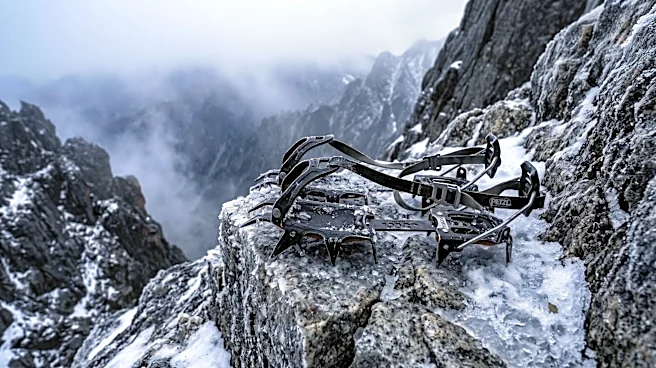
A 60-year-old Canadian hiker was rescued from an icy ledge on Mount Colden in New York's Adirondack Mountains after being stranded for seven hours. The incident occurred on Wednesday, October 21, when the hiker lost his crampons—traction spikes for winter
boots—while navigating an icy section of the Trap Dike route. Unable to move safely, he activated an emergency satellite beacon around 6:30 p.m. State forest rangers initiated a rescue operation, reaching the stranded climber around 1 a.m. Forest Ranger Jenna Curcio described the perilous conditions during the rescue, noting the extreme risk involved in securing the hiker. The Trap Dike route is classified as a fourth-class mountaineering climb and has been associated with multiple fatalities in the past. Authorities are emphasizing the importance of thorough route research and carrying appropriate gear for backcountry terrain.
Why It's Important?
This incident highlights the inherent dangers of mountaineering, particularly in challenging winter conditions, and underscores the critical role of emergency preparedness and rescue services. The hiker's use of an emergency satellite beacon was crucial in facilitating a timely rescue, potentially preventing a more severe outcome. The event also serves as a stark reminder for outdoor enthusiasts about the necessity of proper equipment, such as crampons, when traversing icy or treacherous terrain. The involvement of state forest rangers in such high-risk operations demonstrates the dedication and bravery of emergency responders who often put their own lives at risk to save others. Furthermore, the incident reinforces public safety messages from authorities regarding responsible outdoor recreation and the need to respect the unpredictable nature of mountainous environments.
What's Next?
Following this rescue, authorities are expected to continue their public awareness campaigns, urging hikers to exercise extreme caution and preparedness when venturing into mountainous regions, especially during colder months. This may include renewed advisories on checking weather conditions, understanding route difficulties, and carrying essential safety gear like emergency beacons, appropriate footwear, and traction devices. Search and rescue teams will likely review the operation to identify any lessons learned that could further enhance future rescue efforts. For the hiking community, this event will likely prompt discussions and reinforce best practices for winter mountaineering. It may also lead to increased scrutiny or recommendations regarding the accessibility and safety of challenging routes like the Trap Dike, particularly for less experienced climbers.
Beyond the Headlines
Beyond the immediate rescue, this event touches upon broader themes of human resilience, the allure of challenging natural environments, and the evolving role of technology in outdoor safety. The hiker's ability to endure seven hours in a precarious position speaks to human fortitude, while the use of a satellite beacon exemplifies how technological advancements are transforming wilderness safety. This incident also subtly highlights the ongoing debate between personal freedom in pursuing adventurous activities and the societal resources dedicated to rescue operations. It prompts reflection on the balance between encouraging outdoor exploration and ensuring participants are adequately equipped and informed to minimize risks. The story also serves as a testament to the specialized skills and courage required by forest rangers, who operate in extreme conditions to protect public safety in remote areas.