









What's Happening?
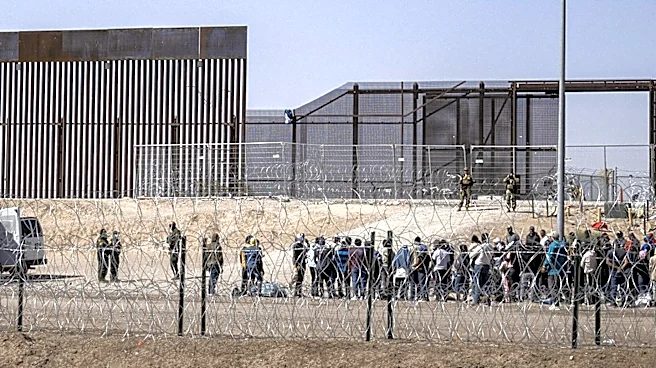
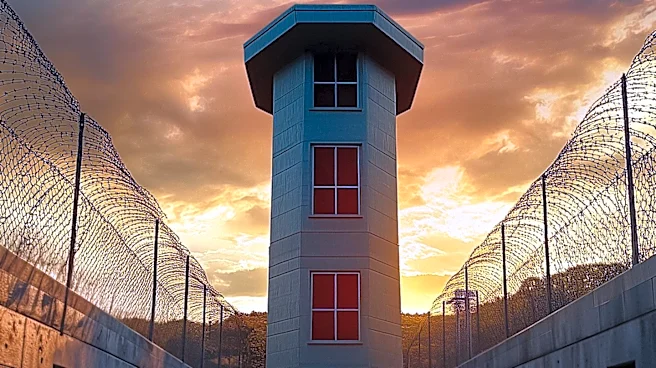
The Department of Homeland Security (DHS) has purchased two major immigrant detention centers in California for $1.5 billion. The facilities, California City Detention Facility and Otay Mesa Detention Center, were acquired from CoreCivic, a private prison
company. This acquisition is part of a broader strategy to increase federal control over immigration detention facilities, reducing reliance on private corporations. The purchase was funded by President Trump's One Big Beautiful Bill Act, which provided DHS with $170 billion. Despite the change in ownership, CoreCivic will continue to manage the facilities under existing contracts with U.S. Immigration and Customs Enforcement (ICE). The contracts for these facilities are set to expire in 2027 and 2029, respectively, with options for extension. The move has been criticized as an attempt to bypass state oversight, as California has been active in monitoring and regulating detention centers.
Why It's Important?
This acquisition marks a significant shift in the management of immigration detention facilities, potentially impacting the oversight and conditions within these centers. By bringing these facilities under federal ownership, DHS may face less state interference, which has been a point of contention, especially in states like California that have enacted laws to oversee detention conditions. The purchase could lead to changes in how detainees are treated and the transparency of operations. Critics argue that federal ownership might reduce accountability and oversight, potentially affecting the rights and conditions of detainees. This development is crucial as it reflects ongoing tensions between federal immigration policies and state-level regulations, particularly in states with sanctuary policies.
What's Next?
With the acquisition complete, DHS is expected to continue discussions with ICE regarding the management and potential sale of additional facilities. The contracts for the California City and Otay Mesa facilities may be renegotiated to reflect the new ownership structure. Stakeholders, including state officials and immigrant rights advocates, are likely to monitor the situation closely, advocating for continued oversight and humane treatment of detainees. The federal government may face legal challenges or pushback from states seeking to maintain oversight of detention conditions. The outcome of these developments could influence future federal-state relations concerning immigration enforcement.
Beyond the Headlines
The federal acquisition of these detention centers could have long-term implications for the private prison industry, potentially reducing its role in immigration enforcement. This move might set a precedent for federal ownership of other facilities, altering the landscape of immigration detention in the U.S. Additionally, the shift could impact the legal framework governing detention centers, as federal ownership may limit state intervention. This development also raises ethical questions about the treatment of immigrants and the balance between national security and human rights.