



What's Happening?
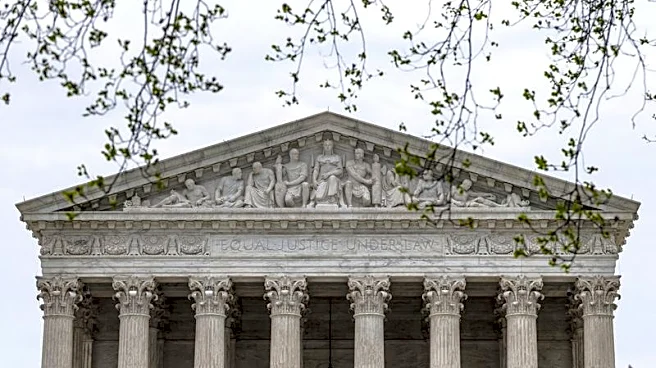
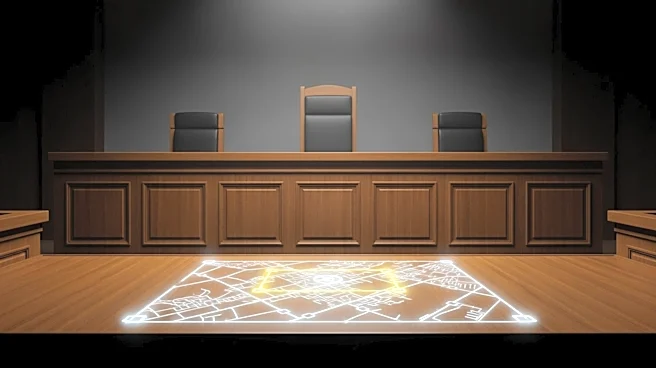
The U.S. Supreme Court is currently deliberating on the constitutionality of 'geofence' warrants, a law enforcement technique that allows police to access data from tech companies to identify individuals near a crime scene. This method involves drawing
a virtual boundary around a crime location and obtaining a warrant to compel tech companies, like Google, to provide location data of users within that area. The case under review stems from a 2019 bank robbery in Midlothian, Virginia, where police used a geofence warrant to identify potential suspects. Google initially identified 19 users, later narrowing it down to three, one of whom was arrested. The case raises significant Fourth Amendment concerns regarding unreasonable searches and privacy rights in the digital age.
Why It's Important?
This case is pivotal in defining the balance between privacy rights and law enforcement capabilities in the digital era. The outcome could set a precedent for how digital data is used in criminal investigations, potentially affecting millions of Americans who use location-based services. If the court rules in favor of geofence warrants, it could lead to increased surveillance capabilities for law enforcement, raising concerns about privacy and the potential for misuse in monitoring lawful activities, such as protests. Conversely, a ruling against such warrants could reinforce privacy protections and limit law enforcement's access to digital data without specific warrants.
What's Next?
A decision from the Supreme Court is expected by summer. The ruling will likely influence future cases involving digital privacy and law enforcement's access to technology. Depending on the outcome, tech companies may need to adjust their data storage and privacy policies. Additionally, the decision could prompt legislative action to clarify the legal standards for digital searches and privacy protections.
Beyond the Headlines
The case highlights the ongoing tension between technological advancements and privacy rights. It underscores the need for updated legal frameworks that address the complexities of digital data and privacy. The decision could also impact how tech companies handle user data and their cooperation with law enforcement, potentially leading to broader discussions on digital rights and privacy in the U.S.