







What's Happening?
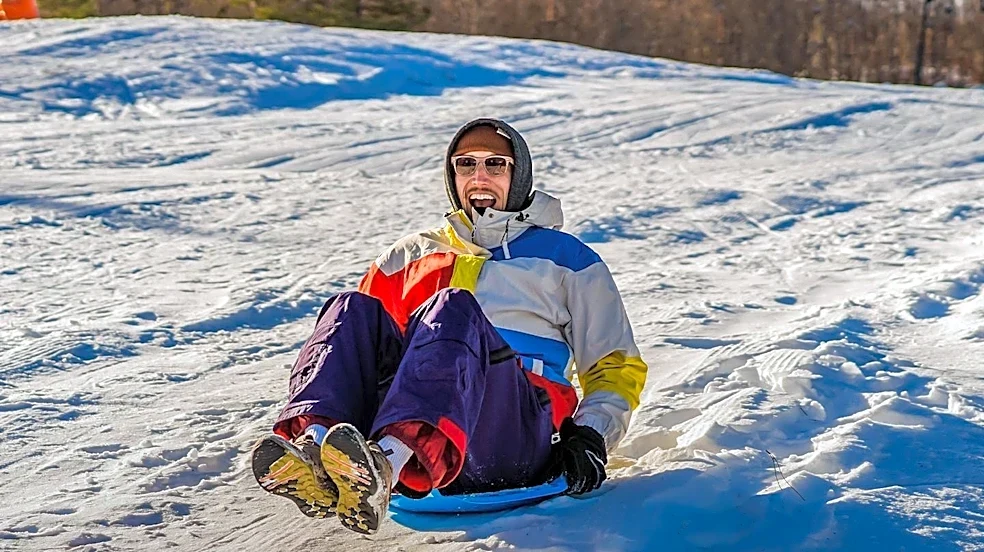
The City of Great Falls has prohibited sledding at Verde Park, a decision driven by public safety concerns and potential liability issues. This restriction follows a serious head injury sustained by a young person at the park last winter. The city's Park and Recreation
Department implemented the ban, emphasizing its responsibility to address known hazards and take reasonable precautions to protect park users. Residents have expressed frustration over the ban, as sledding has been a long-standing winter tradition in the area. The city acknowledges this tradition but states it must balance recreational opportunities with safety and the responsible use of public funds. This is not the first instance where a sledding injury in a Great Falls park has raised legal questions, as a previous lawsuit in 1997 involving an injury at Broadwater Overlook Park highlighted the city's legal vulnerabilities, despite the Montana Supreme Court ultimately ruling in the city's favor in 2004.
Why It's Important?
This sledding ban in Great Falls highlights a growing trend among municipalities to prioritize safety and liability management over traditional recreational activities. The decision reflects the increasing legal scrutiny faced by public entities regarding injuries on their property. While the city prevailed in a past lawsuit, the statement indicates that liability protections do not prevent lawsuits or eliminate the associated defense costs, which ultimately fall on taxpayers through the city's insurance program. This situation underscores the financial and legal pressures on local governments to mitigate risks, potentially leading to the curtailment of popular public activities. For residents, the ban means a loss of a cherished winter pastime and raises questions about the accessibility of public spaces for recreation. It also sets a precedent for how cities might handle similar situations in the future, potentially impacting other recreational areas or activities if safety incidents occur.
What's Next?
The restriction on sledding at Verde Park could be revisited by the Great Falls City Commission. The city's statement indicates that the Commission can consider whether a different policy regarding sledding in city parks is appropriate. City staff are prepared to provide commissioners with a history of previous incidents, legal considerations, and risk-management information to guide this discussion. However, the city's response did not specify a scheduled discussion or a timeline for reconsidering the ban. This suggests that while a review is possible, it is not immediately imminent. Stakeholders, including residents who are frustrated by the ban, may need to engage with the City Commission to advocate for a re-evaluation of the policy, potentially proposing alternative safety measures or designated sledding areas to balance recreation with safety concerns.
Beyond the Headlines
The Great Falls sledding ban touches upon broader societal shifts concerning risk aversion and the role of public spaces. The emphasis on liability and safety, while understandable from a legal and financial perspective, can inadvertently diminish community engagement and traditional outdoor activities. This situation prompts a discussion about the balance between protecting individuals from harm and fostering a vibrant public life that includes recreational opportunities, even those with inherent risks. It also raises questions about the interpretation of 'reasonable precautions' and whether such measures lead to an overly cautious approach that limits public enjoyment. The long-term implications could include a reduction in spontaneous outdoor play, potentially impacting public health and community cohesion, as cities become increasingly risk-averse in managing their public amenities. This trend could also lead to increased demand for private recreational facilities or a push for more creative solutions to manage risk in public spaces.