


What's Happening?
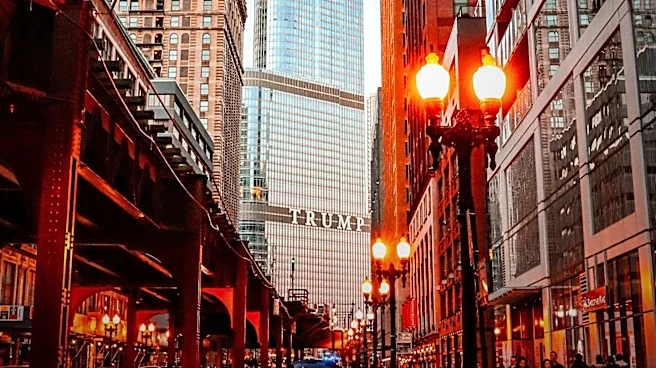
Cities across the U.S., including Philadelphia, Chicago, and Washington, D.C., are transforming abandoned rail lines and bridges into public parks, with a deliberate focus on preventing gentrification and displacement. Leaders involved in these projects
are implementing strategies to ensure that new green spaces serve existing communities rather than pricing out residents. In Philadelphia, Rebecca Chan of Friends of the Rail Park notes that the initial section of the greenway already increased nearby property values, prompting the creation of the Rail Park Community First Plan, a neighborhood preservation strategy. Anton Seals Jr. of Grow Greater Englewood in Chicago is working to protect Black homeowners and create local jobs through the AgroEco District, aiming for reparative justice. In Washington, D.C., Vaughn Perry of Douglass Community Land Trust highlights how the 11th Street Bridge Park's equitable development plan led to a community land trust that now includes 262 housing units. These initiatives share a common goal: to ensure that development benefits the people who live in these communities.
Why It's Important?
This trend represents a significant shift in urban development, moving away from projects that inadvertently lead to gentrification and towards models that prioritize community equity. Historically, urban revitalization efforts, while improving infrastructure and amenities, have often resulted in rising property values and the displacement of lower-income residents. By proactively integrating community-first plans, these rail park projects aim to create public assets that enhance the quality of life for all residents, particularly those who have historically been marginalized. The focus on protecting homeowners, creating local jobs, and establishing community land trusts directly addresses the economic and social impacts of displacement. This approach is crucial for fostering inclusive cities where development serves to strengthen existing communities rather than disrupt them, offering a potential blueprint for future urban renewal projects across the U.S. It also highlights the growing recognition that community engagement and equitable planning are essential for sustainable urban growth.
What's Next?
The success of these community-focused rail park projects will likely influence future urban development strategies in other U.S. cities. The implementation of plans like Philadelphia's Rail Park Community First Plan and the establishment of community land trusts, as seen in D.C., could become standard practices for large-scale public works. Continued monitoring and evaluation will be necessary to assess the long-term effectiveness of these strategies in preventing displacement and ensuring equitable benefits. There will likely be ongoing efforts to secure funding and political will to replicate these models, which often require significant investment in community engagement and affordable housing initiatives. The emphasis on reparative justice, as articulated by Anton Seals Jr., suggests a broader movement towards addressing historical inequities through urban planning. Future developments may increasingly incorporate mechanisms to ensure that local residents, especially those from vulnerable populations, are direct beneficiaries of urban improvements.
Beyond the Headlines
These projects delve into the ethical dimensions of urban planning, challenging the traditional notion that development inherently leads to progress for all. By explicitly stating a stance against development that causes displacement, these initiatives are redefining what constitutes responsible urban growth. They highlight the importance of trust-building within communities, as emphasized by Anton Seals Jr., recognizing that even well-intentioned projects can face skepticism if community voices are not genuinely heard and integrated. The creation of community land trusts, for instance, represents a structural change designed to de-commodify housing and ensure long-term affordability, addressing a root cause of displacement. This approach moves beyond superficial improvements to tackle systemic issues of economic inequality and housing insecurity, suggesting a more profound shift in how cities conceptualize and execute public infrastructure projects, aiming for social equity as a core outcome.