






What's Happening?
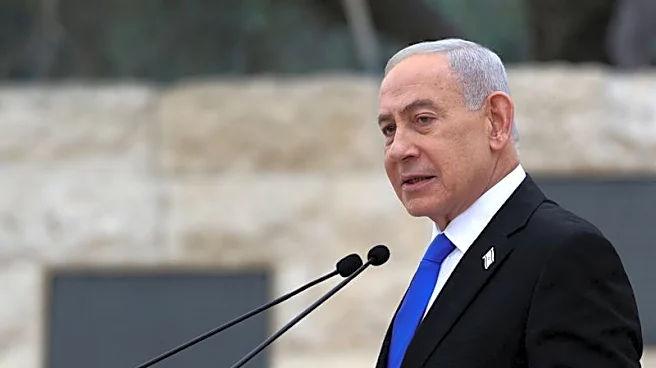
Israeli Prime Minister Benjamin Netanyahu stated that the conflict with Iran is 'not over,' emphasizing ongoing efforts by the U.S. and Israel to curb Tehran's nuclear ambitions. In a taped interview on CBS's '60 Minutes,' Netanyahu highlighted the need
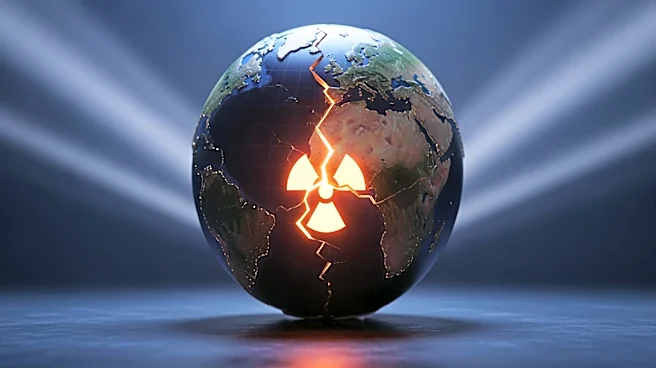
to remove enriched uranium from Iran and dismantle enrichment sites. He also pointed out Iran's support for proxies and its ballistic missile production as areas of concern. President Trump has rejected the latest offer from Iran, indicating continued tensions between the nations. The interview underscores the persistent geopolitical challenges in addressing Iran's nuclear program.
Why It's Important?
The ongoing conflict with Iran has significant implications for international security and Middle Eastern stability. The U.S. and Israel's efforts to limit Iran's nuclear capabilities are crucial in preventing nuclear proliferation in the region. The rejection of Iran's offer by President Trump suggests a hardline stance that could influence diplomatic relations and potential negotiations. The situation affects global oil markets, as tensions in the Middle East can lead to fluctuations in oil prices. Additionally, the conflict impacts U.S. foreign policy and its alliances in the region, with potential repercussions for military and economic strategies.
What's Next?
The U.S. and Israel are likely to continue diplomatic and strategic efforts to address Iran's nuclear program. This may involve increased sanctions, diplomatic negotiations, or potential military actions. The international community will be watching closely for any developments that could escalate tensions or lead to a resolution. Iran's response to the rejection of its offer will be critical in determining the next steps in this ongoing conflict. The situation may also prompt discussions within international bodies such as the United Nations regarding nuclear non-proliferation and regional security.