






What's Happening?
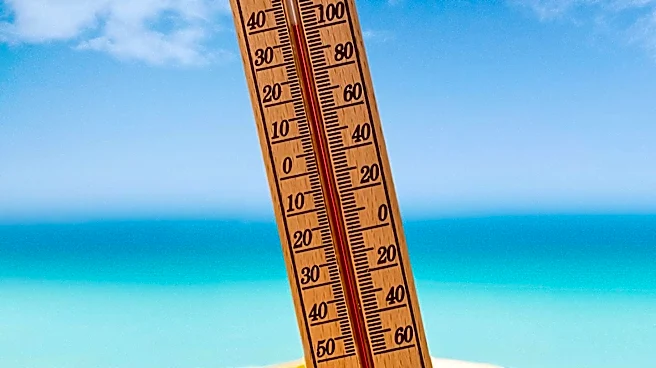
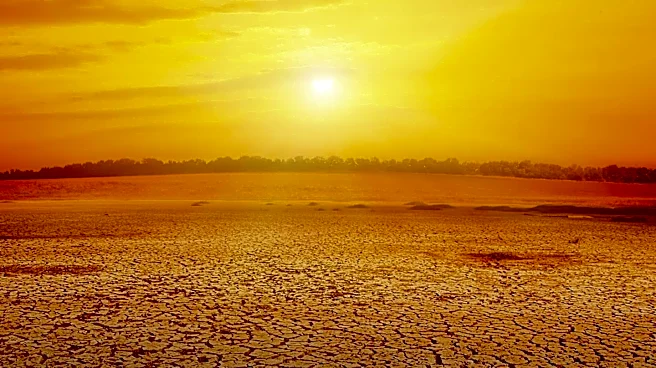
The Western United States is bracing for a heat dome that could push temperatures 10 to 15 degrees above normal, potentially breaking records. This high-pressure system is expected to persist for seven to ten days, exacerbating already dry conditions
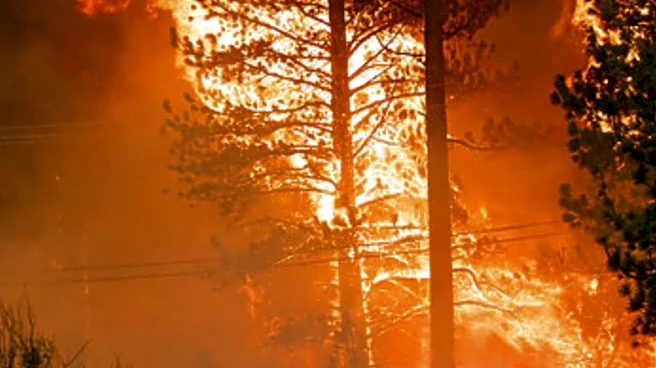
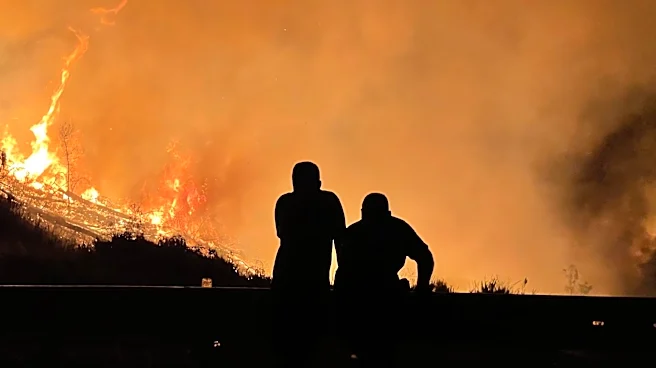
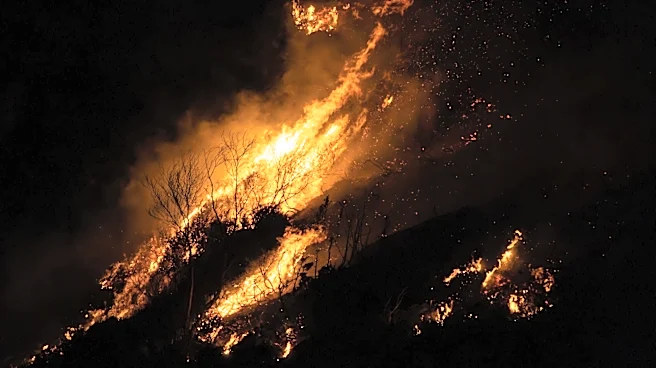
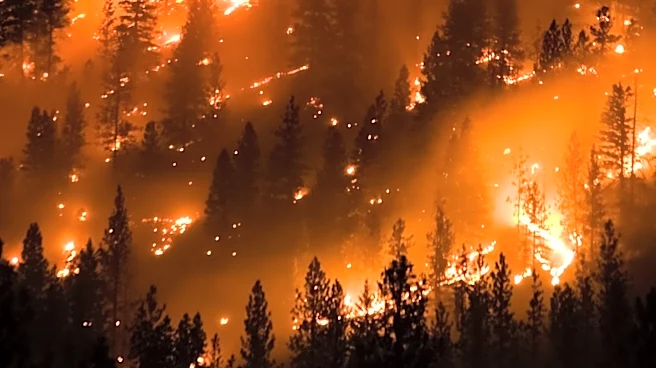
in the Rocky Mountains. The heat dome poses significant health risks, particularly for those without reliable water access. It also increases the likelihood of wildfires, although reduced wind may mitigate some fire spread. The phenomenon highlights the ongoing impact of climate change, with experts noting a clear climate change fingerprint on these extreme events.
Why It's Important?
The heat dome underscores the vulnerability of the Western U.S. to climate change-induced extreme weather. It threatens public health, particularly among vulnerable populations, and poses a significant risk to infrastructure and natural resources. The potential for increased wildfires could have devastating effects on communities and ecosystems. The situation calls for urgent adaptation measures and highlights the need for comprehensive climate policies to mitigate future risks. The economic impact on agriculture and tourism, key industries in the region, could be substantial.
What's Next?
Communities are preparing for the heatwave by implementing cooling measures and public health advisories. Long-term, there is a push for policies that enhance resilience to extreme heat, such as improved building codes and urban planning. The scientific community continues to study the links between climate change and extreme weather, providing data to inform policy decisions. Public awareness campaigns aim to educate residents on heat safety and the broader implications of climate change.
Beyond the Headlines
The heat dome raises questions about the sustainability of current water management practices in the West. It also highlights the need for equitable access to resources, as rural and low-income communities may lack the infrastructure to cope with extreme heat. The event could accelerate discussions on renewable energy and the transition away from fossil fuels, as part of broader climate action strategies. The cultural and psychological impacts of increasingly frequent extreme weather events are also significant, affecting community resilience and mental health.