





What's Happening?
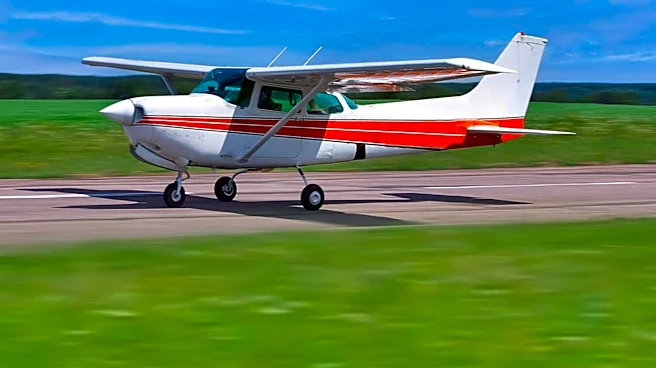
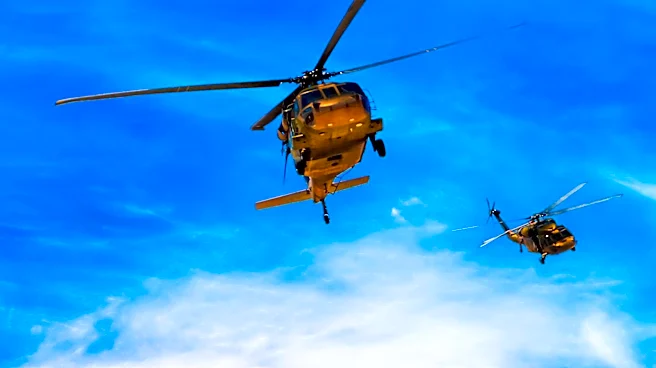
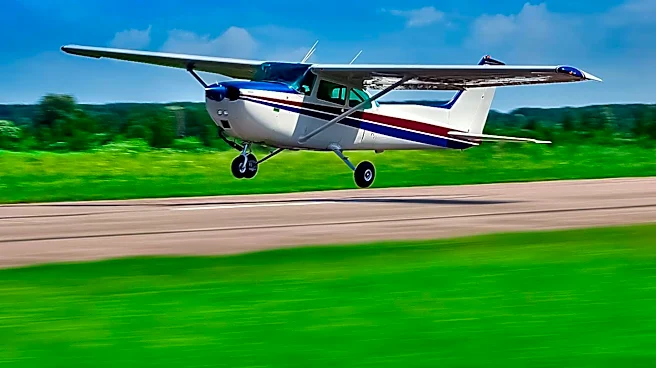
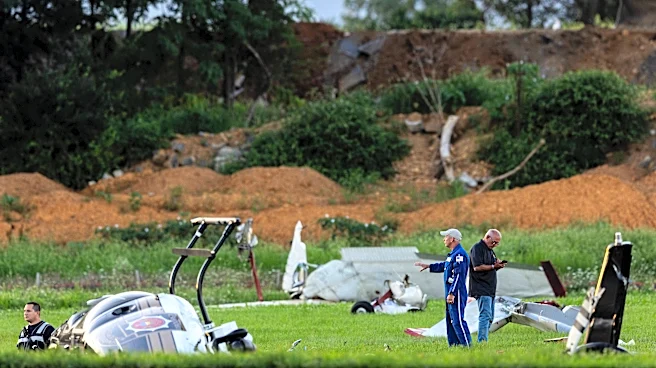
The National Transportation Safety Board (NTSB) is investigating a fatal mid-air collision that occurred in Carlisle, Cumberland County, involving a Cessna airplane and a Pennsylvania State Police helicopter. The incident resulted in the death of the Cessna's
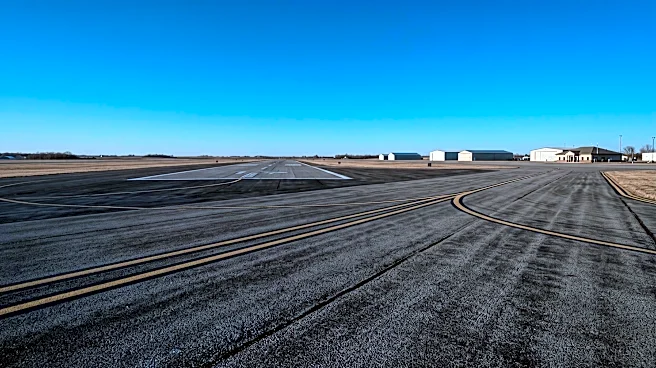
pilot, Dr. Paul Sokoloski, a certified flight instructor and physician at Penn State Health Milton S. Hershey Medical Center. The two officers in the helicopter, Pennsylvania State Police Corporal Bryce Korman and Trooper Jason Mill, survived and are recovering. The NTSB investigator-in-charge, Aaron McCarter, reported that the Cessna made unusual movements while approaching Carlisle Airport, which lacks an air traffic control tower. Pilots at such airports typically communicate their intentions via a shared radio frequency (CTAF). Communication was established between the aircraft prior to the collision, but details of the exchange have not been released. The helicopter was performing a hover taxi maneuver when the Cessna veered into it, suddenly increasing its pitch, making a left turn, leveling off, and then colliding with the helicopter.
Why It's Important?
This incident highlights critical safety concerns at uncontrolled airports, where pilots rely on self-coordination and communication to prevent collisions. The NTSB's investigation will be crucial in identifying potential systemic issues or procedural gaps that could lead to such accidents. The death of a certified flight instructor and physician underscores the tragic human cost of aviation incidents and raises questions about pilot decision-making and training, even among experienced individuals. For the Pennsylvania State Police, the survival of their officers is a relief, but the incident will likely prompt a review of their training protocols for helicopter operations, especially in shared airspace. The findings of the NTSB could lead to recommendations for improved communication protocols, enhanced pilot awareness training, or even technological solutions for collision avoidance at smaller airfields, impacting general aviation safety nationwide.
What's Next?
The NTSB plans to transport the wreckage of both aircraft to a facility in Clayton, Delaware, for further examination. Investigators will analyze available data and onboard equipment to determine the precise cause of the collision. A preliminary report is anticipated within several weeks, offering initial findings. However, the NTSB's final report, which will include definitive conclusions and potential safety recommendations, could take 12 to 18 months to complete. This comprehensive report will be vital for informing future aviation safety policies and practices. Stakeholders, including the Federal Aviation Administration (FAA), pilot associations, and airport operators, will closely monitor the investigation's progress and its eventual findings to implement any necessary changes to enhance safety at uncontrolled airports across the U.S.
Beyond the Headlines
The collision at Carlisle Airport brings to the forefront the inherent risks associated with shared airspace, particularly at airports without air traffic control. While communication via CTAF is standard, this incident may prompt a deeper examination of its effectiveness in preventing mid-air collisions, especially when one aircraft exhibits 'unusual movements.' The ethical implications of pilot responsibility and the psychological factors influencing decision-making in critical flight situations will likely be scrutinized. Furthermore, the long-term impact on public perception of general aviation safety could be significant, potentially leading to calls for stricter regulations or increased technological mandates for all aircraft, regardless of airport size. This event could also spark discussions about the adequacy of current training for both civilian and law enforcement pilots operating in diverse airspace environments.