



What's Happening?
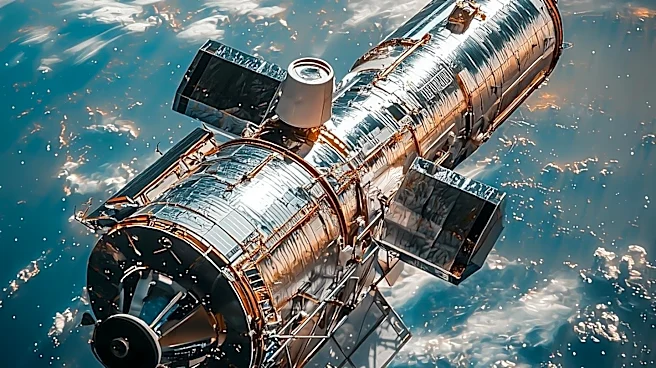
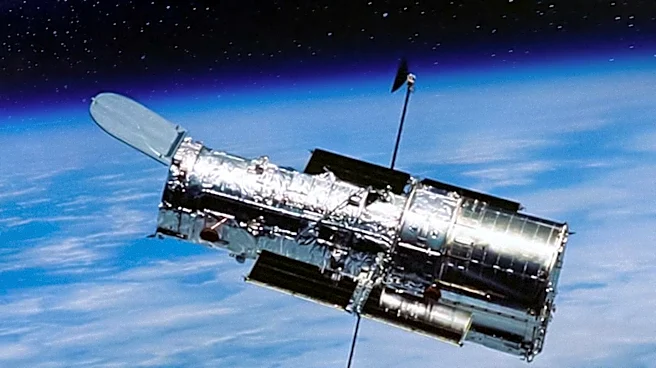
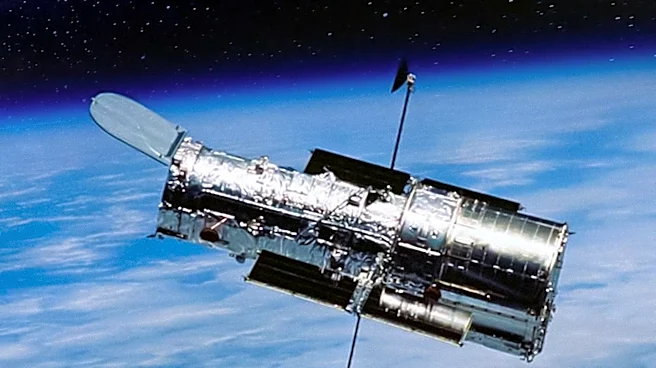
NASA has issued a Request for Information (RFI) to explore commercial industry capabilities for in-space servicing of the Hubble Space Telescope. The RFI, released on October 29, seeks interest in potential missions to boost Hubble to a higher altitude,
thereby extending its scientific operational life. Additionally, NASA is looking into options for servicing Hubble to enhance its capabilities or performing a safe, controlled re-entry into Earth’s atmosphere or orbital disposal at the end of its mission. NASA Administrator Jared Isaacman emphasized the importance of exploring cost-effective ways to prolong the life of the orbiting asset for the benefit of American taxpayers and the scientific community. The Hubble Space Telescope, a collaborative project between NASA and ESA, has been operational for over three decades, making significant discoveries. Its altitude is gradually decreasing due to atmospheric drag, and without a propulsion system, it is predicted to re-enter the atmosphere between 2033 and 2034. Therefore, NASA anticipates that any servicing mission would need to occur by 2032. The RFI will remain open for responses until November 30.
Why It's Important?
This initiative is crucial for the future of space science and the utilization of existing U.S. assets in orbit. The Hubble Space Telescope is a national icon that has profoundly influenced humanity's understanding of the universe for over 35 years. Extending its operational life through commercial servicing could lead to more scientific discoveries and opportunities to expand cosmic knowledge. For the U.S. commercial space industry, this represents a significant opportunity to demonstrate and advance in-space satellite capture and servicing capabilities. Companies that can offer innovative and cost-effective solutions stand to gain valuable contracts and establish themselves as leaders in this emerging sector. Conversely, a failure to find viable commercial solutions could mean the premature end of Hubble's mission, resulting in a loss of invaluable scientific data and a setback for astronomical research. The exploration of commercial options also reflects a broader trend in NASA's strategy to leverage private sector innovation for space exploration and maintenance.
What's Next?
The Request for Information will remain open for responses until November 30. Following this period, NASA will evaluate the commercial interest and proposed capabilities for in-space servicing. Based on the responses, NASA will determine the feasibility and potential pathways for a mission to extend Hubble's life. Any selected mission would need to be executed by 2032 to effectively prevent Hubble's anticipated re-entry into Earth's atmosphere. This process will involve detailed assessments of technical viability, cost-effectiveness, and operational risks. Stakeholders, including commercial space companies, scientific organizations, and the public, will closely watch NASA's decisions, as they will shape the future of one of the most iconic scientific instruments in history and potentially set precedents for the servicing of other aging space assets.
Beyond the Headlines
The exploration of commercial servicing for the Hubble Space Telescope highlights a significant shift in how space assets are managed and maintained. Traditionally, such missions were primarily government-led. However, the rapid evolution of commercial space capabilities, particularly in satellite servicing and orbital mechanics, presents new paradigms. This move could foster a more robust commercial space economy, encouraging innovation in areas like in-orbit refueling, repair, and debris removal. Ethically, extending the life of a highly productive scientific instrument like Hubble maximizes the return on public investment and ensures continued access to critical astronomical data. Legally, such commercial partnerships will necessitate new contractual frameworks and regulatory considerations for in-space operations. Culturally, the continued operation of Hubble reinforces humanity's enduring quest for knowledge about the universe, inspiring future generations of scientists and engineers. This development could pave the way for a future where space infrastructure is routinely maintained and upgraded in orbit, rather than being discarded.