







What's Happening?
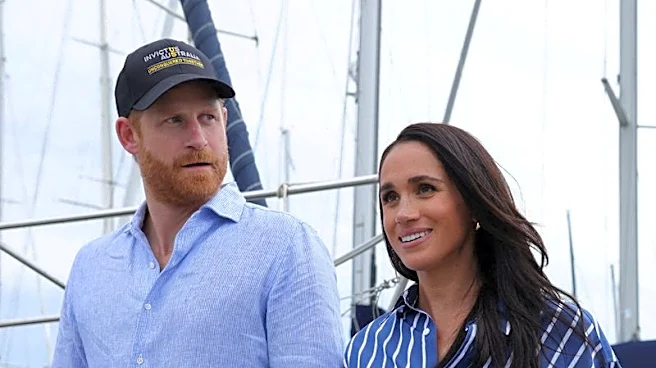
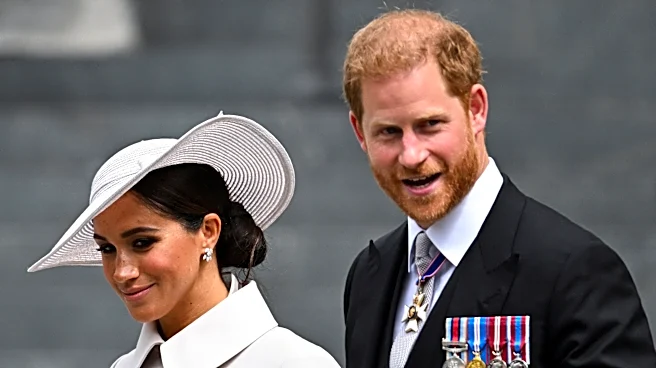
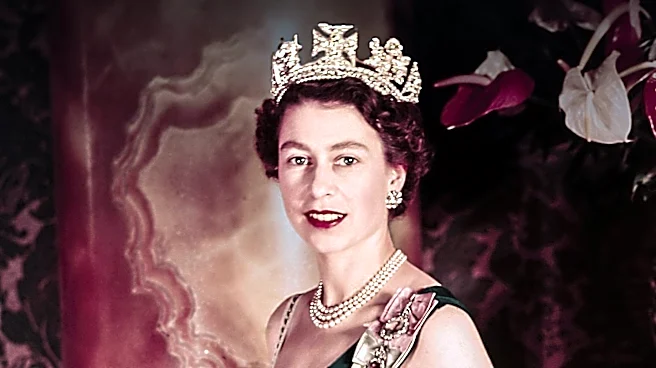
The late Queen Elizabeth II was reportedly 'outraged' by claims made by Prince Harry and Meghan Markle that they had received her permission to name their daughter Lilibet. Princess Lilibet Diana Mountbatten-Windsor was born in California in June 2021
and has recently relocated to the UK with her family. According to Robert Hardman's biography, 'Charles III: New King, New Court. The Inside Story,' a staff member recalled the Queen being 'as angry as I'd ever seen her' in 2021 over the Sussexes' announcement. Lilibet was the Queen's childhood nickname, later used as a pet name by Prince Philip. Reports at the time, including from the BBC, suggested the Queen was not asked for her blessing, or that while contacted, she was not in a position to refuse. A spokesperson for Meghan and Harry had previously stated they would not have used the name without the Queen's support. Hardman quotes the Queen as privately telling aides, 'I don't own the palaces, I don't own the paintings, the only thing I own is my name. And now they've taken that.'
Why It's Important?
This revelation highlights a significant point of contention and misunderstanding between Prince Harry and Meghan Markle and the late Queen Elizabeth II. It underscores the depth of the rift within the Royal Family and the differing interpretations of events surrounding the Sussexes' departure and subsequent actions. The Queen's reported reaction, particularly her sentiment about her name being 'taken,' reveals a profound sense of personal violation and a perceived lack of respect for her private identity. This incident contributes to the broader narrative of strained relationships and communication breakdowns within the monarchy, impacting public perception of both the Sussexes and the Royal Family as an institution. It also raises questions about the accuracy of public statements made by the couple regarding their interactions with senior royals.
Beyond the Headlines
The controversy surrounding Princess Lilibet's name extends beyond a simple disagreement; it touches upon themes of legacy, personal identity, and the symbolic power of names within a royal context. For Queen Elizabeth II, 'Lilibet' was not just a nickname but a deeply personal identifier from her childhood, representing a private sphere distinct from her public role as monarch. The perceived appropriation of this name, especially under disputed circumstances, could be seen as a challenge to her personal sovereignty and a disregard for her emotional connection to it. This incident reflects the broader tension between the desire for personal autonomy and the expectations and traditions of a centuries-old institution. It also illustrates how seemingly small details can become highly charged symbols in high-profile family disputes, revealing underlying resentments and differing values.