



What's Happening?
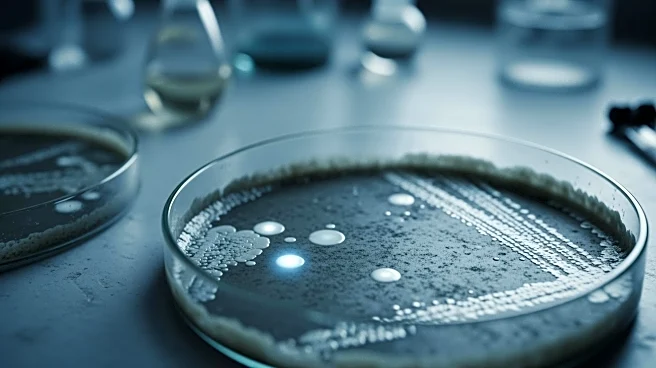
Researchers have sequenced the genome of Psychrobacter SC65A.3, a bacterial strain isolated from 5000-year-old ice in the Scarisoara Ice Cave, Romania. This strain exhibits resistance to ten modern antibiotics and contains over 100 resistance-associated
genes. Despite its resistance, Psychrobacter SC65A.3 also shows potential in inhibiting multidrug-resistant pathogens, including MRSA and Pseudomonas aeruginosa. The study highlights the dual nature of this strain, which could contribute to the global challenge of antibiotic resistance if released due to melting ice. However, it also offers potential for developing new antibiotics and biotechnological innovations.
Why It's Important?
The discovery of Psychrobacter SC65A.3 underscores the potential threat posed by ancient bacteria as climate change leads to melting ice, potentially releasing resistant genes into modern ecosystems. This could exacerbate the global issue of antibiotic resistance, posing significant challenges to public health. Conversely, the strain's ability to inhibit superbugs presents an opportunity for developing new antimicrobial agents. This dual nature highlights the need for further research into ancient microbial life as both a threat and a resource for medical and biotechnological advancements.