




What's Happening?
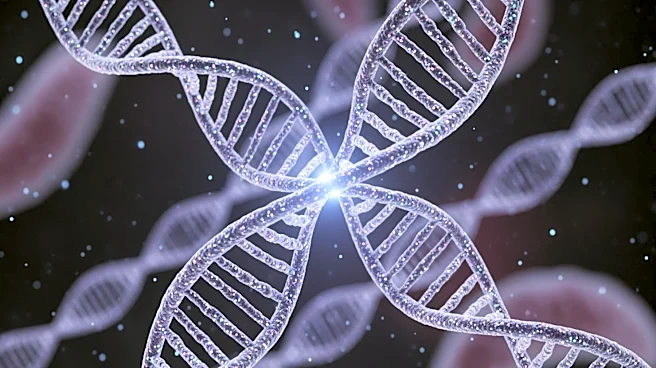
Recent studies have explored the impact of G-quadruplex structures on DNA replication stress, which is linked to aging and various genetic disorders. These structures, formed by guanine-rich DNA sequences, can impede DNA replication, leading to cellular
senescence and genomic instability. The research highlights the role of G-quadruplexes as molecular switches that control gene expression and DNA replication. The findings suggest that replication stress, driven by these structures, contributes to aging and disease, including cancer. The study also discusses the potential therapeutic targets for overcoming replication stress and maintaining genomic stability.
Why It's Important?
Understanding the role of G-quadruplex structures in DNA replication stress is crucial for developing strategies to combat aging-related diseases and cancer. These structures can lead to genomic instability, a hallmark of aging and cancer. By identifying the mechanisms through which G-quadruplexes affect DNA replication, researchers can develop targeted therapies to mitigate their impact. This research could pave the way for new treatments that enhance genomic stability, potentially reducing the incidence of age-related diseases and improving health outcomes.