







What's Happening?
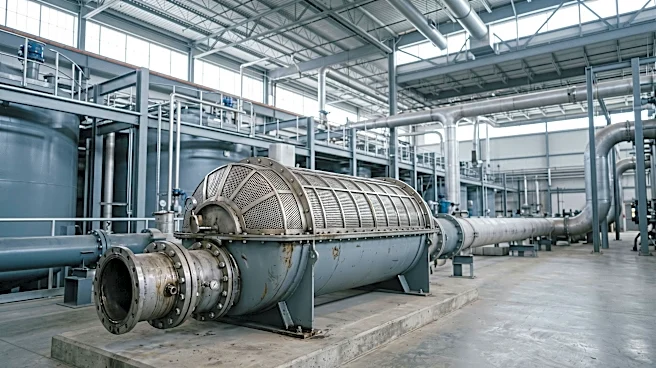
Minot, North Dakota, is experiencing a significant delay in receiving water from Lake Sakakawea, a crucial component of the Northwest Area Water Supply (NAWS) project. The delay stems from persistent construction problems at the biota treatment plant
near Max. Initially, water delivery was anticipated by June of the current year, then pushed to September or October, both timelines having been missed. The core issue involves defective underdrain filters installed by the original contractor in fall 2025. Despite an independent contractor removing and replacing these filters, they failed again during testing in June 2026. The State Water Commission has since mandated the contractor to secure a different underdrain supplier. The latest schedule estimates the biota plant repair work will occur between August 2027 and January 2028, extending the wait for Minot residents by more than a year. Minot's financial commitment to the NAWS project currently stands at nearly $128 million.
Why It's Important?
This prolonged delay carries substantial implications for Minot residents and the city's financial health. The community relies on the NAWS project for a reliable water supply, and the extended wait means continued dependence on existing, potentially less reliable, sources. Financially, Minot faces a local cost share of up to $47 million for the water project, which could impact city budgets and utility rates. While additional federal and state contributions might reduce this local share to approximately $33 million, the uncertainty surrounding these contributions adds to the financial strain. The situation highlights the challenges and cost overruns often associated with large-scale infrastructure projects, placing a burden on local taxpayers and potentially diverting funds from other essential city services. The repeated failures of the underdrain filters also raise questions about contractor accountability and oversight in such critical public works.
What's Next?
The newly selected alternate contractor is expected to commence repair work on the biota plant, with the estimated completion window set for August 2027 to January 2028. The State Water Commission will continue to oversee the contractor's efforts to find a suitable underdrain supplier and ensure the project's progression. Minot City Council members, such as Scott Samuelson, have expressed growing frustration with the delays, indicating increased scrutiny on the project's timeline and financial implications. While the permanent lake water intake is anticipated to be completed by midsummer of next year, the overall NAWS system's full operation for Minot remains contingent on the biota plant repairs. Residents will need to closely monitor updates from the State Water Commission to determine if the revised 2027-28 timeline holds, as further delays could exacerbate financial and logistical challenges for the city.
Beyond the Headlines
The ongoing issues with the Minot water project underscore broader challenges in public infrastructure development, particularly concerning quality control and contractor responsibility. The repeated failure of critical components, even after replacement, suggests potential systemic issues in the initial procurement or installation processes. This situation could lead to increased calls for more stringent oversight and accountability mechanisms in large-scale public works contracts to prevent similar occurrences in other communities. Furthermore, the financial burden on Minot residents, despite the project's federal and state involvement, highlights the complex funding structures of such initiatives and the potential for local communities to bear significant unforeseen costs. This could prompt discussions on how to better protect local municipalities from cost overruns and delays in multi-stage federal-state projects, potentially influencing future policy on infrastructure funding and project management.