


What's Happening?
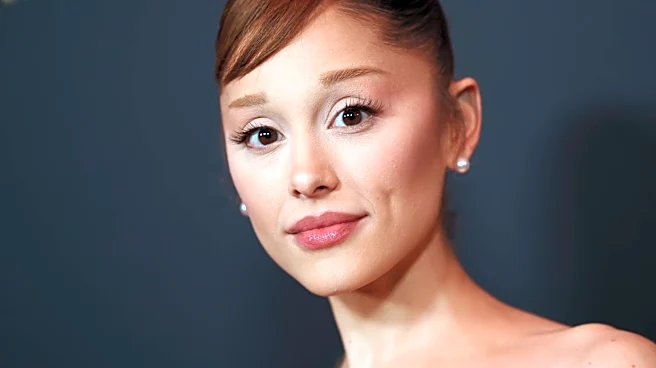
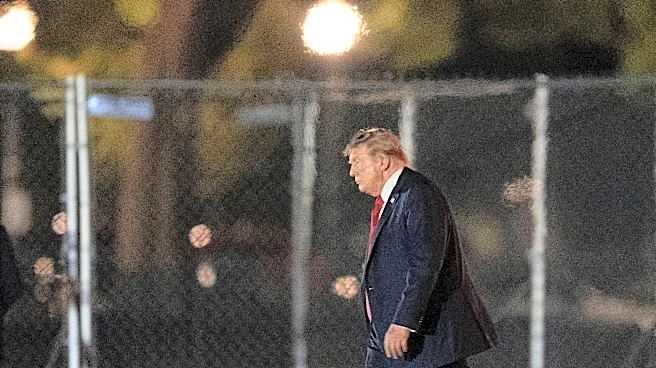
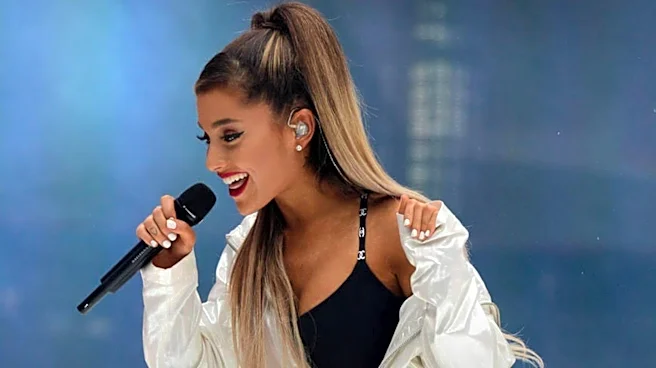
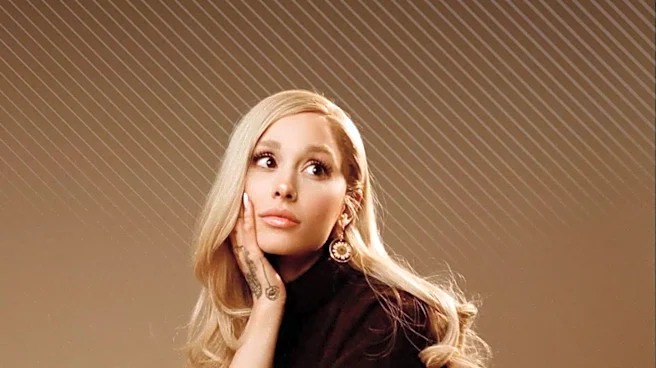
Ariana Grande has publicly criticized President Trump for using her song 'We Can’t Be Friends' in a TikTok video. The video, posted by President Trump, featured footage from a 2024 rally in New York's Madison Square Garden where he discussed the participation
of transgender individuals in sports, specifically opposing their involvement in competitions like the Olympic Games. Grande responded directly to the post, demanding that her music not be used and asserting that President Trump's 'truth is false.' This is not the first instance of President Trump using Grande's music without permission; in June, he used her song 'Bye' in a video related to his deportation policies. Following that incident, Grande reacted strongly, leading to the platform removing the audio from President Trump's post. She had previously stated, 'Please do not use my music in relation to this barbarity, inhumanity, and atrocious nonsense.'
Why It's Important?
This incident highlights the ongoing tension between political figures and artists regarding the unauthorized use of copyrighted material for political campaigns and messaging. For artists like Ariana Grande, the association of their work with political stances they oppose can damage their public image and alienate segments of their fanbase. It also underscores the broader debate about intellectual property rights in the digital age, particularly on social media platforms where content can be easily shared and repurposed. The repeated nature of these incidents suggests a systemic challenge in enforcing copyright and respecting artists' wishes in the political sphere. This situation could influence how social media platforms moderate content from political figures, potentially leading to stricter enforcement of copyright policies to avoid legal disputes and public backlash from artists and their supporters.
What's Next?
It remains to be seen whether President Trump or his campaign will respond to Ariana Grande's latest demand. Social media platforms like TikTok may face increased pressure to implement more robust mechanisms for artists to prevent unauthorized use of their music by political figures. This could involve automated content ID systems or more responsive takedown procedures. Other artists who have previously expressed similar concerns, such as Taylor Swift, Sabrina Carpenter, and Olivia Rodrigo, might be emboldened to take more assertive action against unauthorized use of their music. The ongoing legal and public relations battles over intellectual property in political contexts are likely to continue, potentially leading to new precedents or industry standards for content usage in political campaigns.
Beyond the Headlines
The recurring conflict between artists and political campaigns over music usage delves into deeper issues of artistic integrity, freedom of expression, and the commercial exploitation of creative works. When a political figure uses an artist's music, it can be perceived as an endorsement, regardless of the artist's actual political views. This can force artists into uncomfortable political positions and dilute the original meaning or intent of their art. Furthermore, it raises questions about the ethical responsibilities of social media platforms in regulating content, especially when it involves powerful political entities. The ability of artists to control how their work is used in the public sphere is a critical aspect of their creative autonomy and economic livelihood, and these disputes underscore the challenges in maintaining that control in a rapidly evolving media landscape.