


What's Happening?
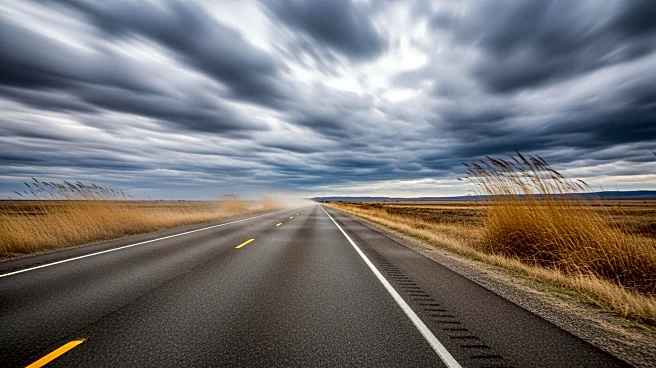
The National Weather Service (NWS) has issued high wind watches for parts of north-central and southwest Montana, warning of potentially hazardous travel conditions starting Tuesday night or Wednesday morning. The affected areas could experience sustained
winds of 30 to 40 mph, with gusts reaching 60 to 65 mph. These conditions pose a significant risk for high-profile vehicles such as semis and RVs, which are vulnerable to sudden crosswinds. The NWS has advised travelers to prepare for possible delays, alternate routes, or later departures. The high wind watch indicates a growing confidence among forecasters that damaging winds are likely, which could lead to toppled objects, snapped tree limbs, and isolated power outages. The areas under alert include Harrison, Havre, Three Forks, and several others, affecting approximately 47,000 residents.
Why It's Important?
The issuance of a high wind watch by the NWS is significant as it highlights the potential for severe weather conditions that could disrupt daily life and travel in Montana. High winds can lead to dangerous driving conditions, particularly for large vehicles, and may result in property damage and power outages. The warning serves as a critical alert for residents and travelers to take necessary precautions to ensure safety. Additionally, the strong winds increase the risk of fire, which could have further implications for the region. Understanding and preparing for these conditions is crucial for minimizing risks and ensuring public safety.
What's Next?
As the wind event approaches, the NWS may upgrade the watches to high-wind warnings if conditions worsen. Residents and travelers in the affected areas should stay informed through local news and weather updates. Authorities may issue additional advisories or take measures to mitigate the impact of the winds, such as closing certain roads or advising against travel for high-profile vehicles. The situation also calls for heightened awareness of fire risks, prompting potential fire safety measures. Monitoring the development of these weather conditions will be essential for local communities and emergency services.