






What's Happening?
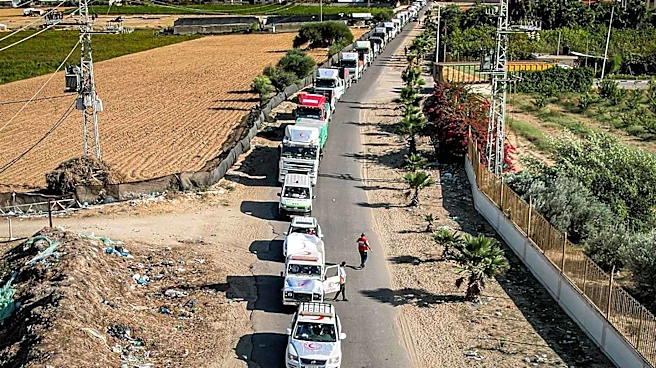
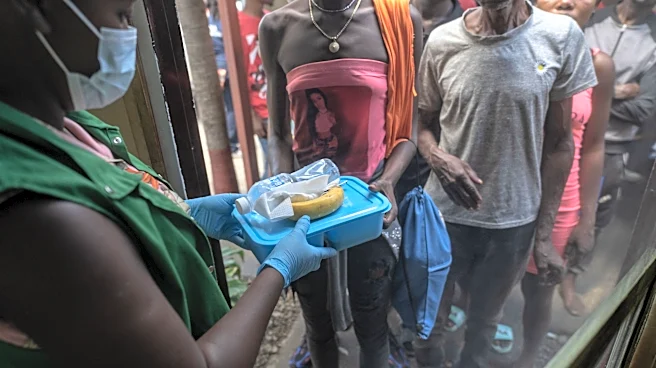
The United Nations has issued a stark warning regarding a deepening hunger crisis in Lebanon, indicating that over one million people are currently experiencing acute food shortages. This crisis affects nearly a quarter of the Lebanese population and
is projected to worsen significantly without immediate intervention. The UN forecasts that the number of individuals facing crisis or worse levels of acute food insecurity will increase to 1.15 million by mid-2027. The deteriorating situation is primarily attributed to a confluence of factors, including ongoing conflict, severe economic pressures, and the weakening of livelihoods across the country. These elements have collectively undermined the population's ability to access sufficient food, leading to widespread food insecurity. The UN's alert underscores the urgent need for humanitarian assistance and systemic changes to prevent further escalation of the crisis.
Why It's Important?
This escalating hunger crisis in Lebanon carries significant humanitarian and geopolitical implications. For the affected population, it means increased suffering, malnutrition, and potential long-term health consequences, particularly for vulnerable groups such as children and the elderly. The instability caused by widespread food insecurity can also exacerbate existing social tensions and potentially lead to further internal displacement or migration, impacting regional stability. Economically, the crisis reflects a broader collapse of Lebanon's financial system and infrastructure, making recovery more challenging. International aid organizations and donor countries face increased pressure to provide substantial and sustained assistance, diverting resources that might otherwise be allocated to other global crises. The situation highlights the fragility of nations grappling with conflict and economic downturns, serving as a critical case study for the international community on the interconnectedness of peace, economic stability, and food security.
What's Next?
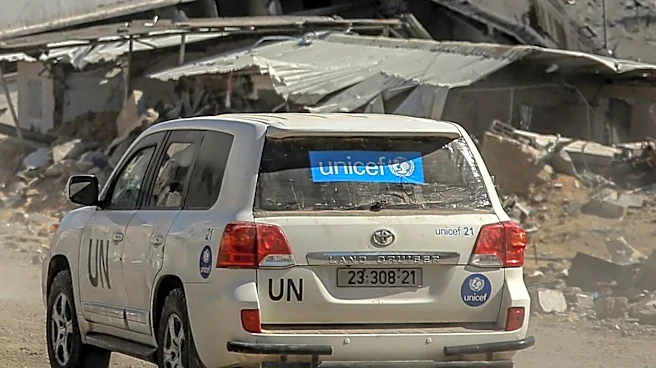
In response to the escalating crisis, immediate next steps will likely involve intensified calls from the United Nations and other humanitarian organizations for increased international funding and aid. Efforts will focus on securing unimpeded access for humanitarian assistance to reach affected populations across Lebanon. Stakeholders, including international donors, NGOs, and the Lebanese government, will need to coordinate to implement emergency food programs and support initiatives aimed at stabilizing livelihoods. There may also be diplomatic efforts to address the underlying causes of the crisis, such as political instability and economic reforms, though these are often complex and slow-moving. Without substantial and coordinated action, the UN's projections suggest a continued deterioration of food security, potentially leading to a more severe humanitarian catastrophe in the coming years. The effectiveness of these interventions will depend heavily on political will and sustained international commitment.
Beyond the Headlines
The Lebanese food crisis extends beyond immediate hunger, revealing deeper systemic issues within the nation. It underscores the profound impact of prolonged political paralysis and economic mismanagement, which have eroded public services and economic opportunities. The crisis also highlights the vulnerability of populations in conflict-affected regions, where the interplay of violence, displacement, and economic collapse creates a vicious cycle of deprivation. Furthermore, it raises questions about the efficacy of international aid mechanisms in preventing such widespread suffering when fundamental governance issues remain unaddressed. The long-term implications could include a lost generation due to malnutrition and lack of education, increased social fragmentation, and a prolonged period of instability that could have ripple effects across the Middle East. Addressing this crisis effectively requires not just food aid, but a comprehensive approach that tackles governance, economic reform, and peacebuilding.