



What's Happening?
The Food and Agriculture Organization of the United Nations (FAO) has issued a warning regarding the ongoing disruption of shipping through the Strait of Hormuz, a critical passage for global trade. Political unrest in the region is causing delays that
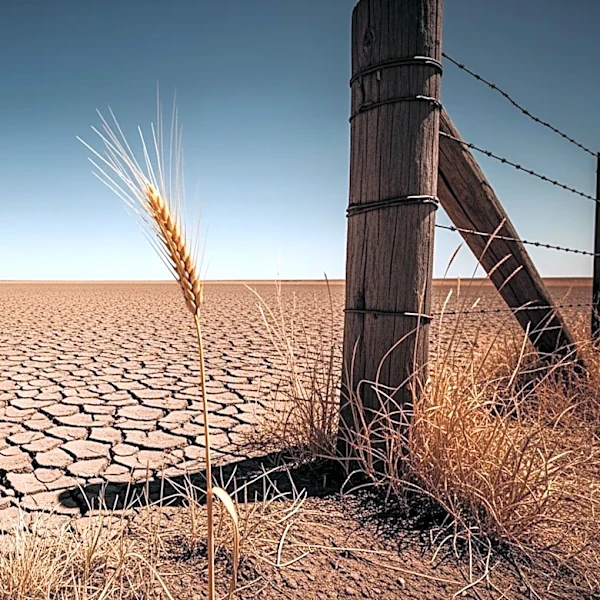
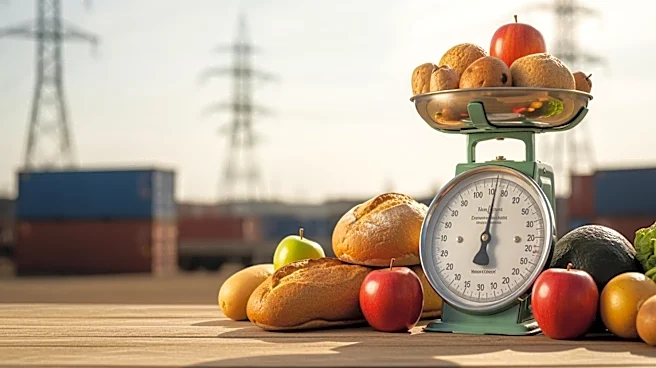
could lead to a significant increase in global food prices later this year. The strait is vital for transporting a large portion of the world's energy supplies and agricultural inputs, including fertilizers. FAO Chief Economist Máximo Torero highlighted the urgency of the situation, drawing parallels to the supply chain disruptions experienced during the COVID-19 pandemic. The FAO Food Price Index for March has remained stable, but the coming months are crucial as farmers face uncertainty over fertilizer and energy availability. Limited access to these inputs could force producers to reduce planted areas or shift to less input-intensive crops, while rising oil prices may push a shift towards biofuel production, further tightening food supplies.
Why It's Important?
The disruption in the Strait of Hormuz poses a significant threat to global food security. The strait is responsible for the movement of 20% to 45% of key agricultural inputs, making its stability crucial for food production systems worldwide. Prolonged disruptions could lead to lower crop yields, increased global food commodity prices, and heightened financial pressure on farmers, particularly in developing countries. The FAO warns that even small disruptions in fertilizer and energy supply can cause sharp price spikes due to the inelastic nature of these markets. The organization advises against export restrictions on fertilizers and energy, which have historically exacerbated global food price spikes. Instead, coordinated global action is needed, including reviewing biofuel mandates and providing financial support to countries struggling to secure critical inputs.
What's Next?
The FAO is calling for immediate global action to prevent a potential food crisis. This includes utilizing mechanisms like the International Monetary Fund's balance of payments facilities and its Food Shock Window to help countries finance urgent fertilizer imports. The FAO has also developed a system based on the crop calendar to prioritize countries most at risk, ensuring that limited supplies are directed where they are needed most. The organization emphasizes that the current situation is within human control, unlike climate-related shocks, and stresses the importance of accelerating action to prevent worsening conditions. The decisions made in the coming weeks, both in agricultural fields and policy circles, will have long-term impacts on food production, prices, and livelihoods.