



What's Happening?
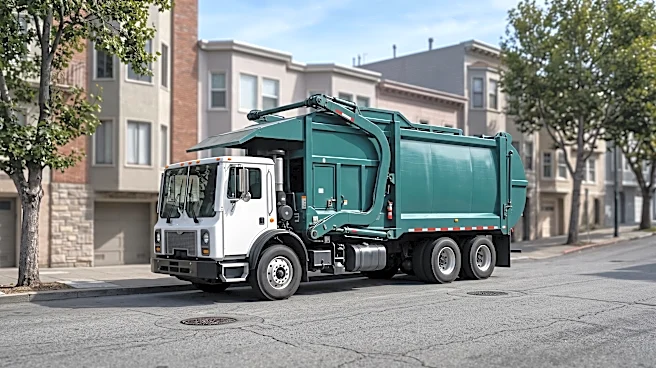
A homeless man in San Francisco was accidentally loaded into a Recology garbage truck after searching for food in a dumpster. Bystanders heard his screams, prompting an urgent rescue effort by first responders. Firefighters meticulously sifted through
trash to locate the man, who was treated for injuries while still trapped. Concerns were raised that dumping the truck's contents all at once could further injure him. The man was eventually rescued after a two-hour ordeal and transported to a hospital for medical attention. During the rescue, one firefighter sustained a hand injury from something in the trash and also required hospitalization. This incident is currently under investigation by authorities. According to Recology spokesperson Robert Reed, such an event is highly unusual, with the last similar rescue from a company truck by city firefighters occurring approximately 15 years ago. The incident highlights ongoing issues in a city grappling with a significant homeless population.
Why It's Important?
This incident underscores the severe challenges faced by homeless individuals in urban environments, particularly in cities like San Francisco, which has a polarizing homeless problem. The man's desperate search for food in a dumpster, leading to such a dangerous situation, illustrates the extreme conditions some residents endure. For waste management companies like Recology, the event brings to light the potential for accidental harm to individuals seeking refuge or resources in waste containers, prompting a review of safety protocols and operational procedures. The need for a two-hour rescue operation, involving multiple first responders and resulting in injuries to both the trapped individual and a firefighter, highlights the significant public safety and resource implications of such incidents. It also draws attention to the broader societal issue of homelessness and the urgent need for effective solutions to prevent such hazardous situations from occurring.
What's Next?
The incident involving the Recology truck is currently under investigation, which will likely examine the circumstances leading to the man being loaded into the vehicle and the effectiveness of current safety measures. This investigation may lead to a review of operational procedures for waste collection, particularly in areas with high homeless populations, to prevent similar occurrences. Recology may implement enhanced training for its drivers and waste handlers regarding checks for individuals in or near dumpsters. Additionally, the event could reignite public and political discussions in San Francisco regarding the city's approach to its homeless crisis. Advocacy groups may leverage this incident to call for increased funding and resources for homeless shelters, food assistance programs, and mental health services. The injured man will receive medical care, and the firefighter's injury will be addressed, with potential follow-up on workplace safety protocols for emergency responders.
Beyond the Headlines
Beyond the immediate rescue, this event illuminates the often-invisible dangers faced by vulnerable populations, particularly the homeless. The act of searching for food in a dumpster, a common practice for those experiencing food insecurity, carries inherent risks that are rarely considered by the general public. The incident serves as a stark reminder of the human cost of homelessness and the systemic issues that lead individuals to such desperate measures. It also raises ethical questions for waste management companies about their responsibility to identify and mitigate risks to vulnerable individuals who may interact with their equipment. The rarity of such an event, as noted by Recology, suggests that while uncommon, the potential for severe accidents exists, prompting a deeper look into urban infrastructure and social safety nets. The incident could also influence public perception and policy debates surrounding homelessness, potentially fostering greater empathy and a renewed commitment to addressing the root causes of this societal challenge.