








What's Happening?
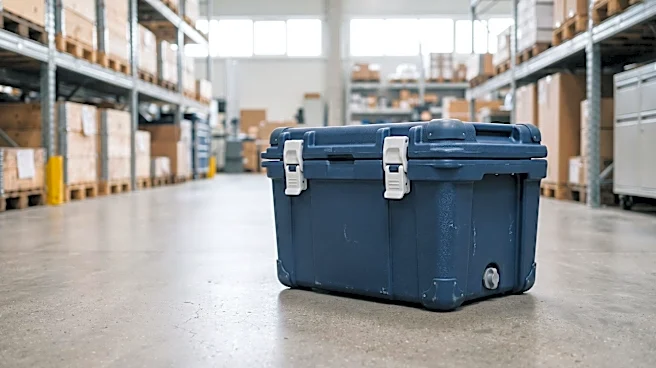
Médecins Sans Frontières (MSF) describes cold chain management as a comprehensive system designed to maintain thermosensitive medical products within a specific temperature range. This system encompasses equipment, monitoring, written procedures, trained
personnel, and detailed records. For refrigerated products, MSF often cites a range of +2 °C to +8 °C, though the precise temperature limits are determined by each product's specific labeling. The system differentiates between active equipment, such as refrigerators and freezers that require energy, and passive equipment like cold boxes and vaccine carriers that rely on pre-conditioned ice packs. MSF recommends checking the temperature inside passive boxes before loading products and suggests using WHO pre-qualified equipment for cold chain activities. Monitoring involves various types of devices, including non-reversible monitors, temperature recorders, and remote temperature recorders, with MSF recommending twice-daily temperature recording for the 2 to 8 °C category.
Why It's Important?
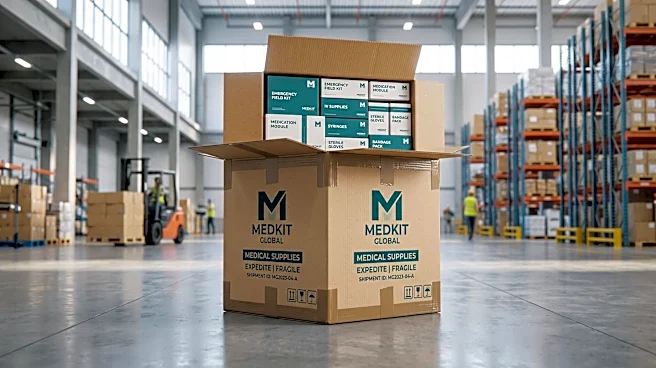
Effective cold chain management is critical for ensuring the efficacy and safety of temperature-sensitive medical products, including vaccines and certain medications. Failure to maintain the correct temperature range can lead to product degradation, rendering them ineffective or even harmful. This has significant implications for public health, particularly in large-scale vaccination campaigns or the distribution of essential medicines. For U.S. healthcare providers and pharmaceutical companies, adhering to stringent cold chain protocols is not only a matter of patient safety but also regulatory compliance, as outlined by bodies like the FDA and CDC. The integrity of the cold chain directly impacts the trust in medical supplies and the success of public health initiatives, especially in complex logistical environments or during emergencies. The detailed guidelines from organizations like MSF provide a global standard that can inform and strengthen U.S. practices, ensuring that vital medical resources reach those in need in optimal condition.
What's Next?
The ongoing emphasis on robust cold chain management suggests a continued focus on developing and implementing advanced monitoring technologies and standardized procedures. Healthcare organizations and regulatory bodies are likely to further refine guidelines, potentially incorporating more sophisticated digital data loggers and real-time tracking systems to enhance oversight and ensure compliance. There will also be a continued need for comprehensive training programs for personnel involved in handling temperature-sensitive medical products, from manufacturing to distribution and administration. As new medical products, particularly advanced therapies and vaccines, emerge with specific temperature requirements, the cold chain infrastructure will need to adapt and innovate. This could lead to increased investment in specialized storage and transport solutions, as well as greater collaboration between medical organizations, logistics providers, and technology developers to create more resilient and efficient cold chain networks.
Beyond the Headlines
The principles of cold chain management extend beyond mere technical compliance, touching upon ethical responsibilities and global health equity. In humanitarian contexts, as highlighted by MSF's work, effective cold chain logistics can be the difference between life and death, particularly in regions with limited infrastructure or during crises. The detailed procedures and equipment standards underscore a broader commitment to universal medical ethics and the right to humanitarian assistance. Furthermore, the reliance on precise temperature control for medical products reflects the increasing complexity and sophistication of modern medicine. This also raises questions about environmental sustainability, as maintaining cold chains often requires significant energy consumption. Future innovations may need to balance the critical need for temperature control with efforts to reduce the environmental footprint of medical logistics, potentially through more energy-efficient technologies or localized production and distribution models.