



What's Happening?
A severe thunderstorm watch issued by Environment Canada for New Brunswick led to widespread misinformation on social media, causing public confusion and panic. The watch, which included a low risk of tornadoes, was misinterpreted by many as an active
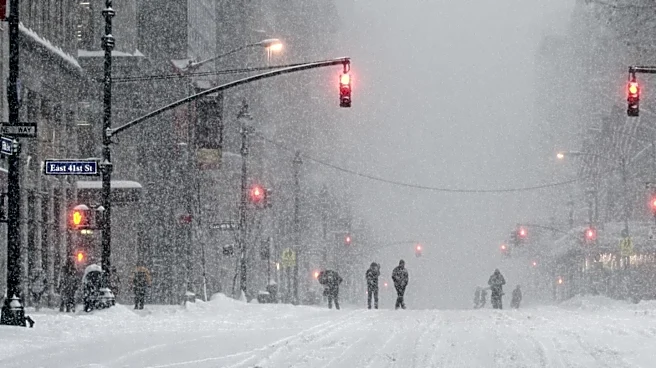
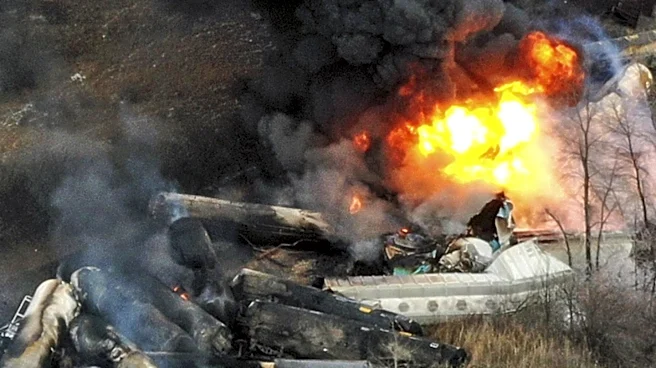
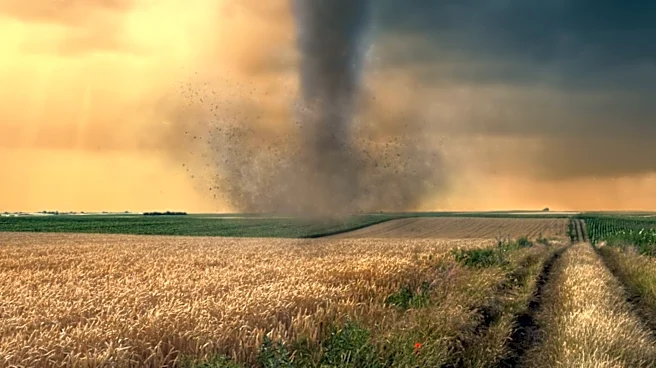
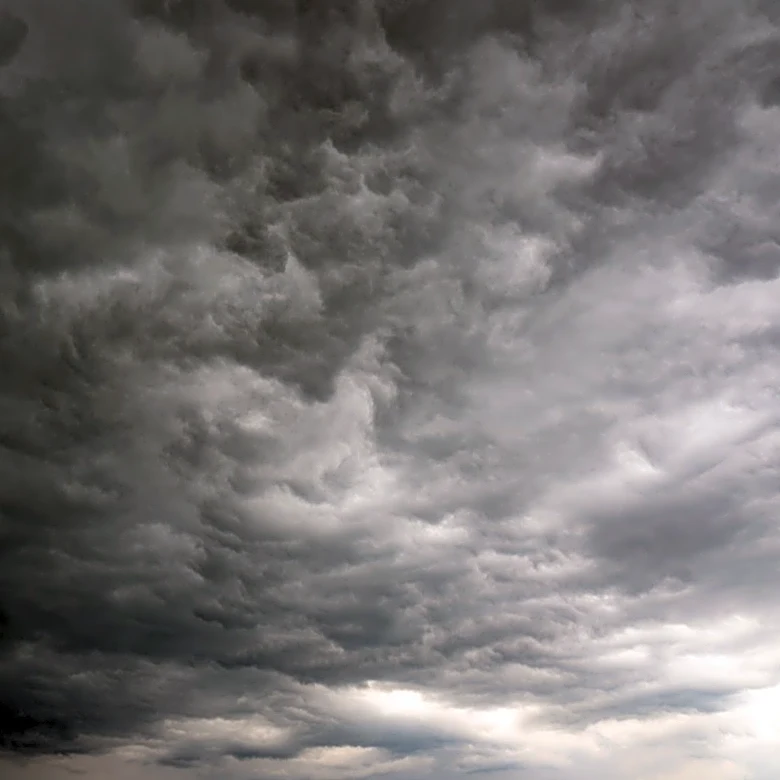
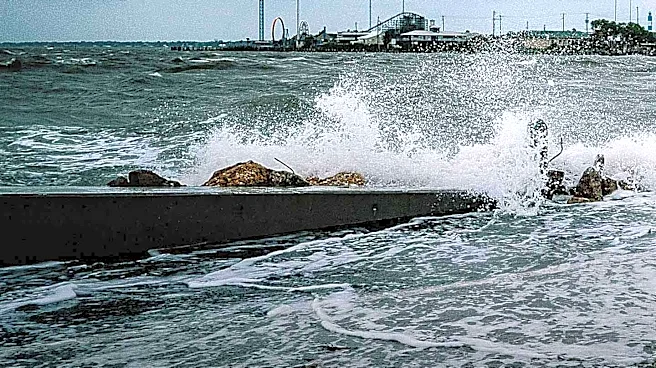
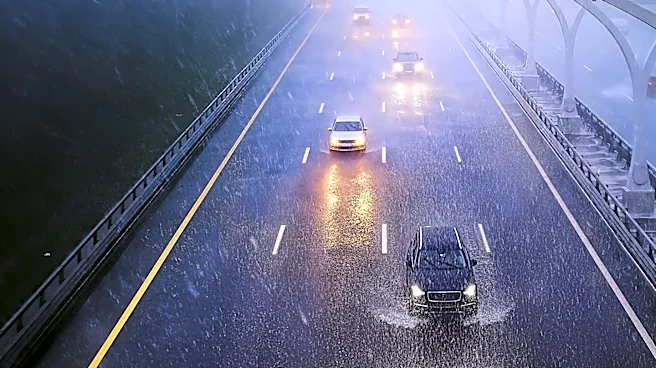
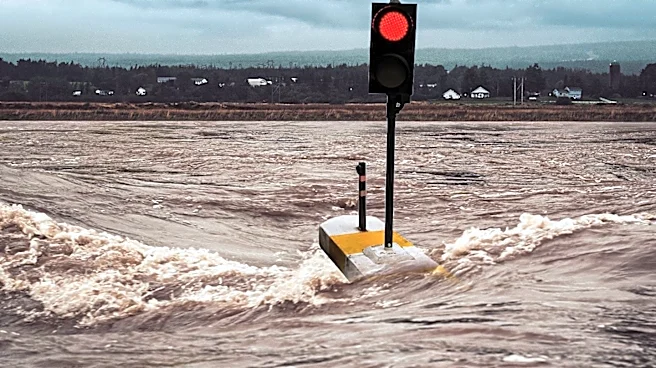
tornado warning. This misinformation was exacerbated by the sharing of AI-generated images depicting severe weather events that did not occur. Experts like Sander van der Linden from the University of Cambridge and Aaloak Jaswal from the University of New Brunswick highlighted the challenges posed by AI in creating realistic but false images, which can mislead the public during emergencies. The situation underscores the difficulty in maintaining public trust in official communications during crises, as misinformation can overshadow accurate information.
Why It's Important?
The incident illustrates the growing challenge of misinformation in the digital age, particularly during emergencies. The ability of AI to generate convincing but false images complicates efforts to provide accurate public safety information. This can lead to public distrust in official warnings, potentially endangering lives if people ignore legitimate alerts. The situation calls for improved public education on discerning credible sources and the importance of verifying information before sharing it. It also highlights the need for authorities to communicate clearly and effectively to prevent misinterpretation of safety advisories.
Beyond the Headlines
The proliferation of misinformation during emergencies raises ethical questions about the responsibility of social media platforms and users in spreading false information. It also points to a broader societal issue of declining trust in institutions and the need for strategies to rebuild this trust. The incident may prompt discussions on regulatory measures to address the spread of misinformation and the role of technology in shaping public perception during crises.