








What's Happening?
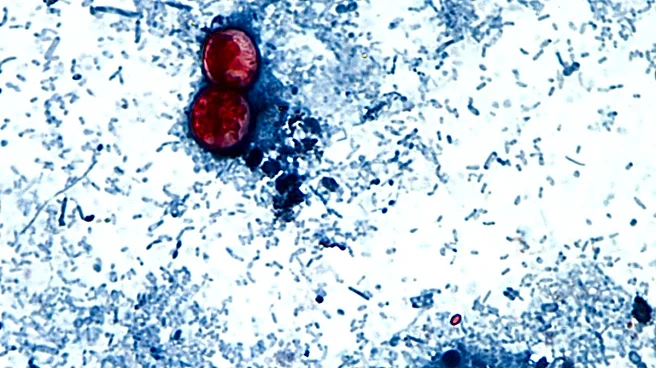
The New Hampshire Department of Health and Human Services (NH DHHS) has confirmed two cases of cyclosporiasis in the state for the year 2026. Cyclosporiasis is an intestinal illness caused by the Cyclospora parasite, which is often contracted through
the consumption of unwashed produce. The U.S. Centers for Disease Control and Prevention (CDC) notes that the illness typically results in watery diarrhea, sometimes accompanied by explosive bowel movements. While 31 states have reported cases of cyclosporiasis, with 86 hospitalizations, no fatalities have been recorded. Historically, New Hampshire has identified between two and nine cases annually over the past five years. The NH DHHS emphasizes the importance of hand washing and thoroughly cleaning raw fruits and vegetables to prevent infection. The department continues to monitor the situation closely, especially given the outbreak in other states.
Why It's Important?
The confirmation of cyclosporiasis cases in New Hampshire underscores the ongoing public health challenge posed by foodborne illnesses. The situation highlights the critical need for proper food handling and hygiene practices, particularly in the context of fresh produce. As the CDC tracks the spread of the illness across multiple states, public health officials are reminded of the importance of preventive measures to protect communities. The economic impact on agriculture and food industries could be significant if consumer confidence in produce safety is undermined. Additionally, healthcare systems may face increased pressure if the number of cases rises, necessitating a coordinated response to manage potential outbreaks effectively.
What's Next?
The NH DHHS will continue to monitor the cyclosporiasis outbreak and is prepared to respond if the situation worsens in New Hampshire. Public health campaigns may be intensified to educate the public on the importance of food safety practices. Should the number of cases increase, there may be a need for enhanced collaboration between state health departments and the CDC to contain the spread. The agricultural sector might also see increased scrutiny and potential regulatory measures to ensure the safety of produce. Stakeholders, including farmers and retailers, may need to adopt stricter hygiene protocols to prevent further cases.