


What's Happening?
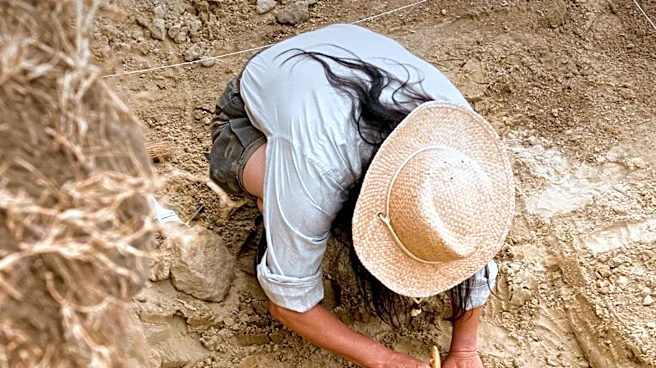
Poland has granted Ukraine permission to conduct search and exhumation operations for the remains of Ukrainians killed in 1944 in the village of Łasków. This marks the first time in a while that such permission has been given. The operations will focus
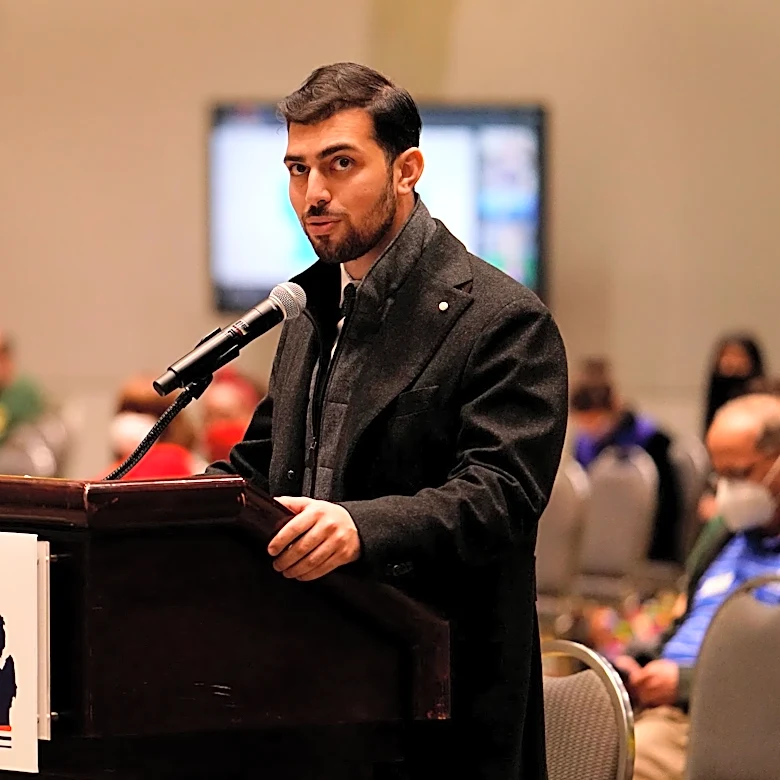
on the probable burial site of Ukrainian civilians believed to have been killed by the Armia Krajowa (Home Army) and Bataliony Chłopskie (Peasant Battalions) in March 1944 during World War II. The permit was obtained by the Dolia Memorial Search Centre and the work will be carried out on behalf of the Ukrainian Institute of National Remembrance. This development stems from agreements reached by the Ukrainian-Polish working group on dignified burials, an initiative of the culture ministries of both countries. The move comes after several months of Ukraine's Ambassador to Poland, Vasyl Bodnar, seeking such permits, and follows similar operations conducted last year in Jureczkowa, where a grave of Ukrainian Insurgent Army fighters was sought but not found.
Why It's Important?
This decision is significant as it addresses long-standing historical tensions between Poland and Ukraine, particularly concerning atrocities committed in the 1940s. The exhumation efforts in Łasków represent a step towards acknowledging and resolving painful historical narratives that have, at times, strained the relationship between the two allied nations. For Ukraine, gaining permission to search for and properly bury its war dead is crucial for national remembrance and historical justice. For Poland, allowing these operations demonstrates a commitment to reconciliation and a willingness to confront complex historical events, even those involving Polish resistance groups. The cooperation on dignified burials, facilitated by the working group, underscores a diplomatic effort to manage sensitive historical issues while both countries face contemporary challenges, including the ongoing conflict in Ukraine. This act of historical reconciliation can strengthen bilateral ties and foster greater understanding between the two nations.
What's Next?
The immediate next step will be the commencement of the search and exhumation operations in Łasków by the Dolia Memorial Search Centre, on behalf of the Ukrainian Institute of National Remembrance. The findings of these operations will be crucial in determining the extent of the casualties and providing closure for the victims' families and the Ukrainian nation. This successful collaboration could pave the way for further similar initiatives in other locations where Ukrainian war dead are believed to be buried in Poland. The ongoing work of the Ukrainian-Polish working group on dignified burials will likely continue to play a vital role in navigating these sensitive historical issues. The outcome of these exhumations may also influence public discourse and historical interpretations in both countries, potentially leading to a more comprehensive understanding of the complex wartime history.
Beyond the Headlines
The permission for exhumation in Łasków delves into the deeper ethical and cultural dimensions of historical memory and national identity. The events of 1944, involving actions by Polish resistance groups against Ukrainian civilians, highlight the intricate and often tragic inter-ethnic conflicts that occurred during World War II, distinct from the broader fight against Nazi Germany. This initiative underscores the importance of acknowledging all victims of historical conflicts, regardless of their nationality or the perpetrators. It also reflects a broader trend in post-conflict societies to confront difficult historical truths as a foundation for future relations. The process of identifying and reburying remains can have profound psychological and cultural impacts, contributing to national healing and reconciliation. This act of historical reckoning, while potentially reopening old wounds, is essential for building trust and fostering a more mature and resilient relationship between Poland and Ukraine, especially in the context of their current geopolitical alliance.