




What's Happening?
Two U.S. Embassy officials, identified as CIA agents, were killed in a vehicle crash in northern Mexico. The Mexican government confirmed that these agents were not authorized to conduct operations in the country. The crash occurred in the state of Chihuahua
during a convoy linked to a drug-laboratory raid. Initially, the U.S. referred to the victims as 'embassy personnel,' but further reports clarified their CIA affiliation. Mexico's Ministry of Security stated that neither agent had formal authorization to participate in law enforcement or intelligence operations, emphasizing that Mexican law prohibits foreign agents from operating without federal approval. The incident has raised questions about the extent of U.S. intelligence operations in Mexico and the potential diplomatic fallout.
Why It's Important?
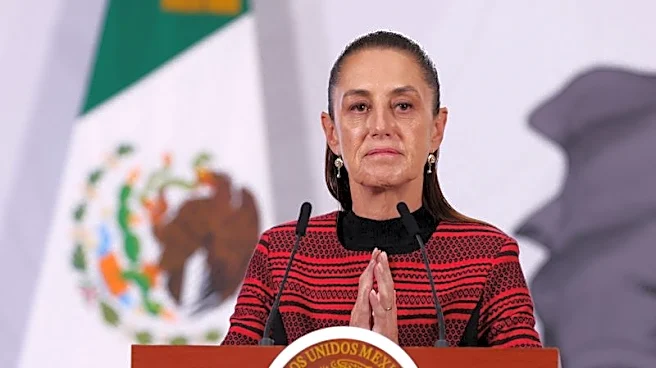
This incident highlights the delicate balance in U.S.-Mexico relations, particularly concerning security cooperation and sovereignty. The revelation that CIA agents were operating without authorization could strain diplomatic ties and lead to increased scrutiny of U.S. intelligence activities in Mexico. It underscores the ongoing tension between the two countries over drug trafficking and security measures. President Trump's pressure on Mexico to intensify its drug war efforts adds another layer of complexity, as Mexico's government, led by President Claudia Sheinbaum, has resisted expanded U.S. involvement. The situation could impact future collaboration on security issues and influence public perception of foreign intervention in Mexico.
What's Next?
The diplomatic fallout from this incident is still unfolding. Both countries have expressed a desire to continue working together on security issues, but the unauthorized presence of CIA agents may lead to stricter oversight and demands for transparency. Mexico may push for clearer agreements on the role of foreign agents, while the U.S. might face internal reviews of its intelligence operations in the region. The incident could also prompt discussions on revising bilateral security agreements to prevent similar occurrences in the future.