



What's Happening?
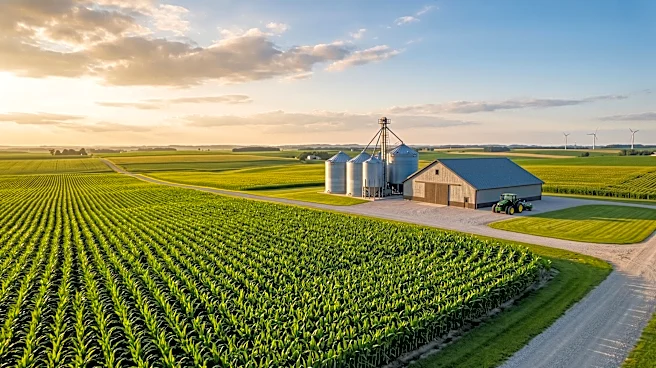
Land O'Lakes, Inc., a farmer- and ag retailer-owned cooperative founded in 1921 and based in Arden Hills, Minnesota, has initiated the 'Modern Rural Collective' in 2024. This initiative aims to challenge and reshape the often-stereotypical portrayal of rural
America in media and popular culture. According to research by Getty Images, only 5% of visual images are set in rural areas, and a YouGov survey indicates that two-thirds of rural Americans feel stereotyped by Hollywood. Mickey Nelson, Director of Brand Strategy, Insights and Analytics at Land O'Lakes, noted that rural America is frequently either overly romanticized or oversimplified, failing to reflect the true experiences of its residents. The Modern Rural Collective brings together storytellers, marketers, creators, and brands dedicated to fostering a more nuanced and authentic representation of rural life. Heather Malenshek, Chief Marketing Officer at Land O'Lakes, emphasized that the initiative seeks to move beyond tired clichés and elevate stories that accurately depict rural America, promoting understanding and connection across cultural divides.
Why It's Important?
The launch of the Modern Rural Collective by Land O'Lakes is significant for several reasons, particularly concerning the perception and economic vitality of rural America. Misrepresentation in media can lead to a lack of understanding and investment in these communities, impacting everything from policy decisions to talent attraction. By actively working to change these narratives, Land O'Lakes is not only advocating for its farmer-owners and the broader agricultural sector but also for the social and economic well-being of rural populations. A more accurate and positive portrayal can attract new businesses, residents, and tourism, fostering economic growth and diversification. Furthermore, it can help bridge the urban-rural divide by promoting empathy and dispelling outdated stereotypes, which is crucial for national unity and effective policymaking. This initiative underscores the power of corporate social responsibility in addressing societal issues beyond direct business operations, potentially influencing how other large corporations engage with community representation.
What's Next?
The Modern Rural Collective is expected to continue its efforts in collaborating with various stakeholders to produce and disseminate authentic stories about rural America. This will likely involve ongoing partnerships with content creators, media outlets, and marketing professionals to generate diverse narratives. The initiative may also expand its reach through educational campaigns and public engagement events to further challenge existing stereotypes. Success will be measured by a shift in public perception and an increase in accurate media representation, which could lead to greater appreciation and support for rural communities. Land O'Lakes, as a prominent agricultural cooperative, will likely leverage its extensive network to amplify these stories and encourage broader participation from other organizations invested in rural development. The long-term goal is to create a sustained cultural shift that recognizes the complexity and dynamism of rural life in the United States.
Beyond the Headlines
Beyond the immediate goal of improving rural imagery, the Modern Rural Collective touches upon deeper societal implications related to identity, representation, and cultural understanding. The persistent stereotyping of rural communities can contribute to feelings of marginalization and misunderstanding among their residents, potentially exacerbating social and political polarization. By actively working to dismantle these stereotypes, Land O'Lakes is engaging in a form of cultural advocacy that seeks to validate the experiences and contributions of a significant portion of the U.S. population. This effort could inspire other industries and organizations to critically examine how they portray various demographic groups, fostering a more inclusive and equitable media landscape. The initiative also highlights the evolving role of corporations in addressing social issues, moving beyond traditional philanthropy to direct engagement in shaping public discourse and cultural narratives. This could set a precedent for how businesses contribute to broader social cohesion and understanding in a diverse nation.