




What's Happening?
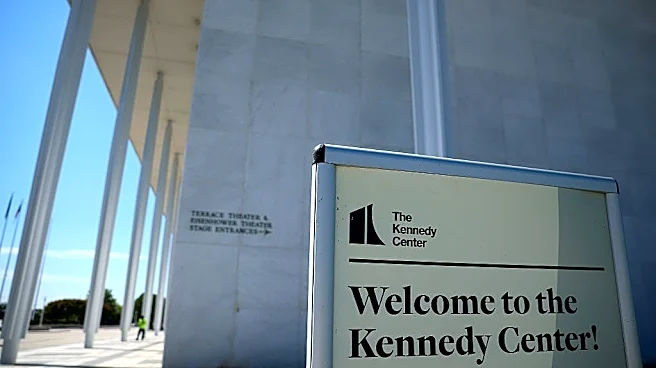
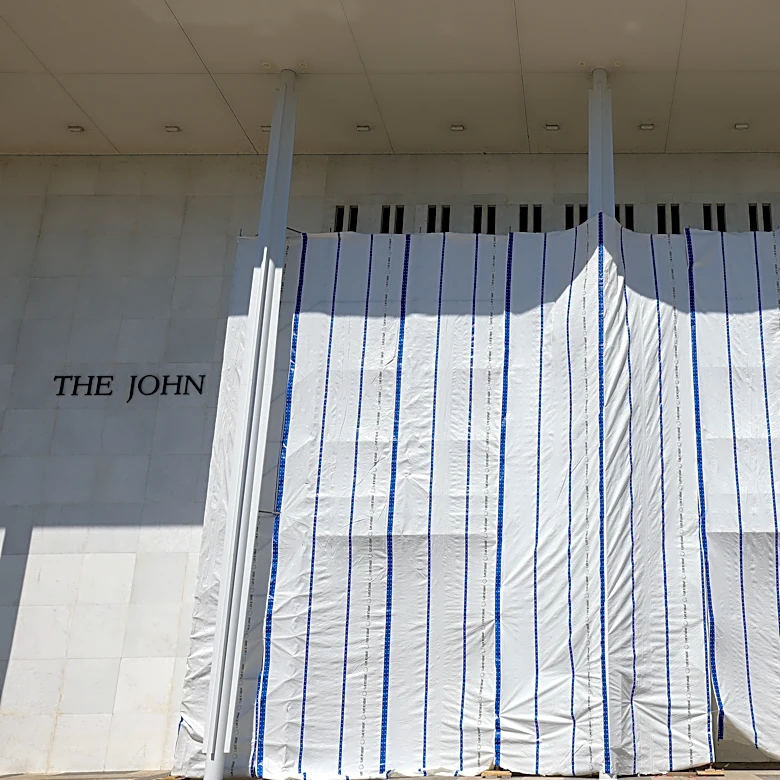
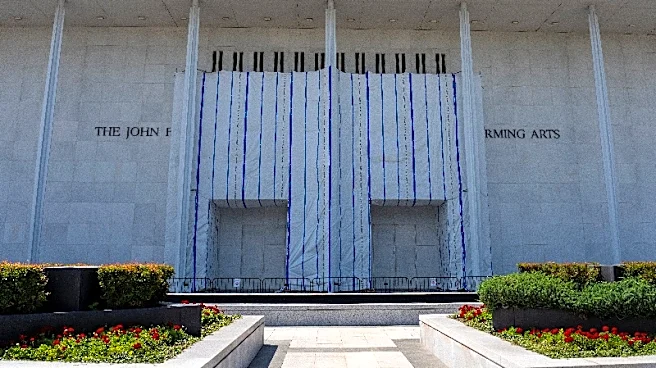
President Trump's appointed board at the Kennedy Center has voted to close the building for renovations, a move that requires approval from federal Judge Christopher R. Cooper. This follows a previous attempt blocked by the judge in May, citing insufficient
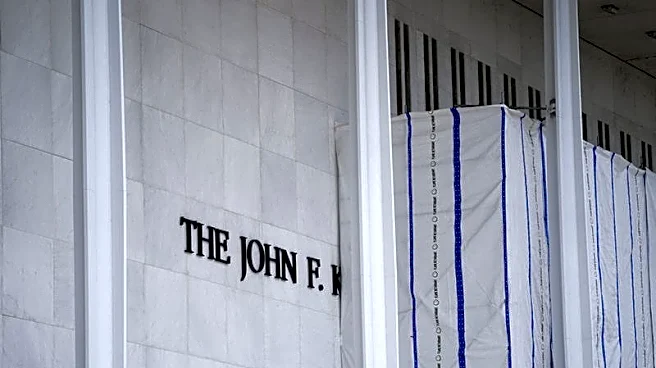
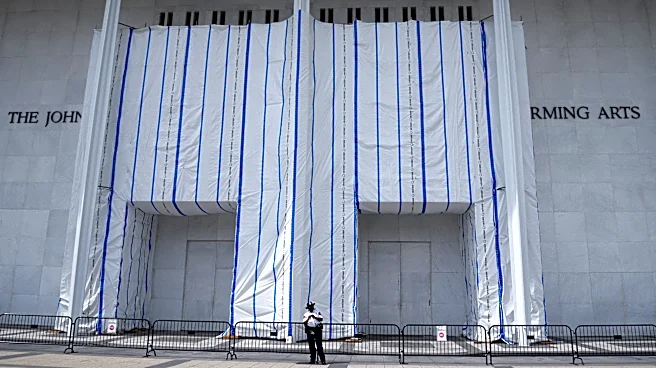
consideration of the closure's consequences. The board argues that keeping the center open during renovations would be too costly. The proposed $250 million renovation includes structural repairs and acoustical improvements. The Kennedy Center has faced numerous performance cancellations since Trump's administration took over, leading to speculation that the closure aims to mitigate embarrassment from these cancellations. Additionally, the board plans to add Trump's name to the building's exterior, a decision that previously faced legal challenges.
Why It's Important?
The decision to potentially close the Kennedy Center for renovations has significant implications for the arts community and public access to cultural events. The center is a major venue for performances and cultural gatherings, and its closure could disrupt scheduled events and impact artists financially. The controversy surrounding the addition of Trump's name to the building highlights ongoing tensions between the administration and the arts community. This move could further polarize public opinion and affect the center's reputation. The legal and financial aspects of the renovation plan also raise questions about the allocation of public funds and the prioritization of cultural heritage.
What's Next?
The next step involves Judge Cooper's decision on whether to approve the board's resolution to close the Kennedy Center. If approved, the renovations could proceed, potentially leading to a temporary halt in performances and events. Stakeholders, including artists, patrons, and cultural organizations, may respond with legal challenges or public campaigns to oppose the closure. The decision to add Trump's name to the building could also face further legal scrutiny, potentially delaying the renovation process. The outcome of these developments will likely influence future interactions between the administration and the arts community.