




What's Happening?
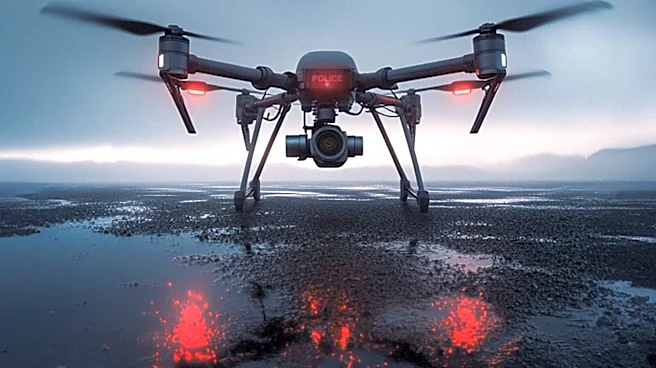
Ukraine is considering military actions to disrupt Russia's liquefied natural gas (LNG) trade, leveraging its expanding drone strike capabilities. This comes as countries worldwide continue to import Russian fossil fuels, with LNG's flexibility sustaining
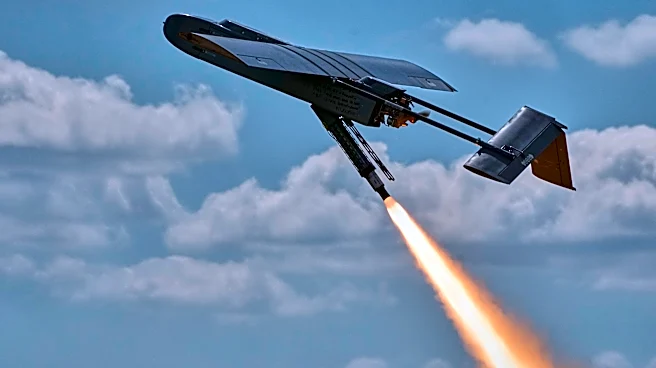
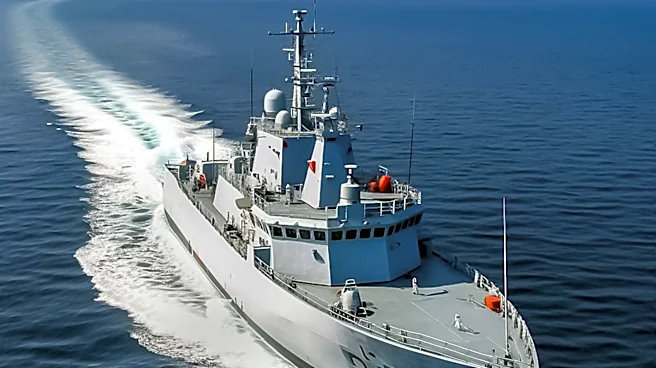
revenue for Moscow. The EU is set to ban Russian LNG imports in 2027, but currently remains Moscow's largest customer. Ukraine has demonstrated its ability to strike distant targets, including an oil refinery in Omsk 2,500km away and an oil terminal at Vysotsk. With systems like those produced by Fire Point having a reported range of up to 3,400km, key Russian LNG export terminals such as Arctic 2 and Yamal, located just over 3,100km from Kyiv, could now be within reach. The Yamal LNG Terminal alone accounts for 63% of Russia's total LNG exports and relies on a limited fleet of 15 specialized ice-breaking ships, which could be vulnerable to Ukrainian attacks.
Why It's Important?
Disrupting Russia's LNG trade would significantly impact Moscow's energy revenues, which are crucial for funding its military operations. The U.S. and its allies have imposed sanctions on Russia, but the continued flow of LNG undermines these efforts. If Ukraine successfully targets these terminals or the specialized ice-class vessels, it could create a substantial economic blow to Russia, potentially altering the dynamics of the conflict. However, such actions carry significant risks, including potential environmental disasters in the Arctic due to explosions and the possibility of alienating European allies who still rely on Russian LNG, especially given current low gas storage levels in some countries. The involvement of Western companies in transporting Russian LNG further complicates Ukraine's strategic calculus, as targeting these assets could strain international relations and support for Kyiv.
What's Next?
Ukraine faces a complex decision regarding whether and how to target Russia's LNG infrastructure. While the capability to strike key terminals like Yamal and Arctic 2 appears to be within reach, the political and environmental ramifications are substantial. Experts suggest that Ukraine's calculus might change after the EU ban on LNG imports takes effect in 2027, potentially reducing the political risks of targeting vessels. However, the immediate impact on European energy markets and the potential for environmental catastrophe in the Arctic remain significant deterrents. Kyiv will need to weigh the strategic benefits of disrupting Russia's energy trade against the potential for alienating allies and causing widespread economic or environmental damage. Meanwhile, the EU is urged by some to impose immediate sanctions on the Arc7 fleet delivering LNG to Europe, rather than waiting until 2027, to cut off Russia's revenue stream more quickly.
Beyond the Headlines
The debate over Ukraine's potential targeting of Russian LNG infrastructure highlights the intricate web of economic dependencies and geopolitical considerations in modern conflict. It exposes the tension between immediate military objectives and broader international stability, including energy security and environmental protection. The reliance on specialized ice-breaking ships for Arctic LNG exports underscores the unique vulnerabilities of energy supply chains in extreme environments. Furthermore, the involvement of Western companies in transporting Russian LNG, even amidst sanctions, reveals the complex commercial interests that can inadvertently support adversarial economies. This situation prompts a deeper examination of the effectiveness of sanctions, the ethical responsibilities of corporations, and the potential for unintended consequences when military actions intersect with global energy markets and fragile ecosystems. The environmental risks of an Arctic explosion, in particular, raise concerns about long-term ecological damage that could extend far beyond the immediate conflict zone.