


What's Happening?
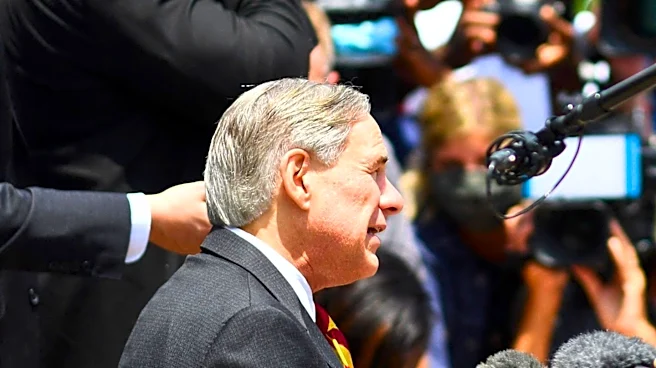
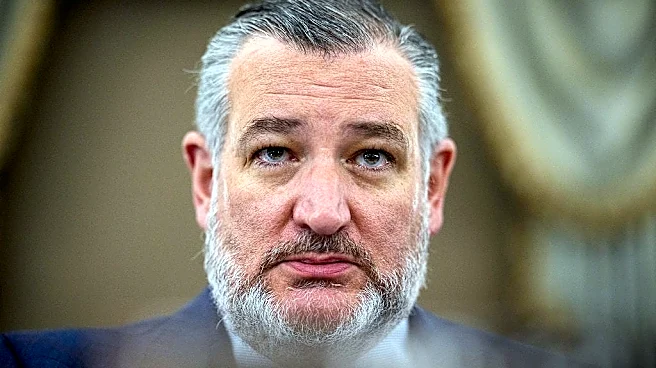
Republican U.S. Rep. Keith Self has introduced legislation that would mandate federal agencies obtain warrants before accessing data collected by AI-powered Flock cameras. This proposal comes in the wake of Texas Gov. Greg Abbott's decision to block state
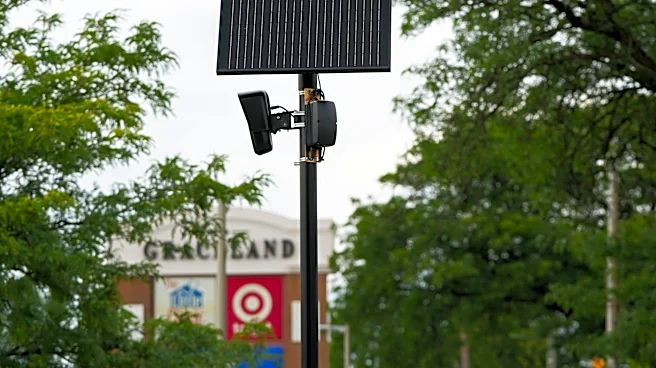
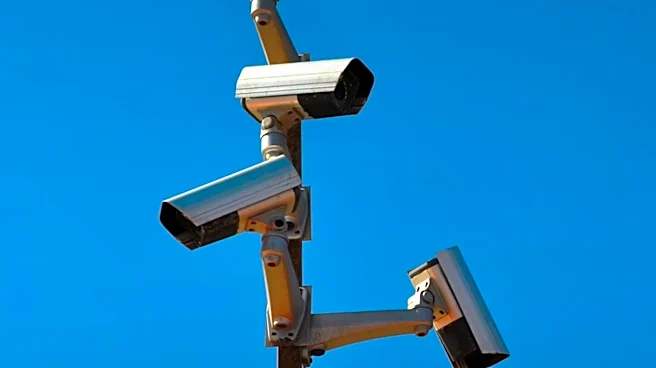
funding for these surveillance devices due to mounting privacy concerns. Self emphasized that the Fourth Amendment right to privacy should not be eroded by new technologies like artificial intelligence. Flock cameras are advanced license plate readers that use AI to track and store detailed vehicle characteristics, including make, model, color, and even bumper stickers or dents. Law enforcement agencies utilizing these cameras can share data, creating a vast national network. The Motor Vehicle Crime Prevention Authority in Texas had facilitated the installation of over 3,200 Flock cameras since 2023, partly funded by a 2023 law intended to combat catalytic converter theft, a purpose not initially discussed for these cameras. Growing bipartisan opposition and reports of misuse, such as a Lufkin police officer allegedly surveilling individuals for over a year, have fueled the push for stricter regulations.
Why It's Important?
This legislative effort by U.S. Rep. Keith Self highlights a critical national debate regarding privacy rights in the age of advanced surveillance technology. The proliferation of AI-powered Flock cameras, capable of creating extensive databases of vehicle movements and characteristics, raises significant Fourth Amendment concerns about warrantless searches and mass surveillance. If passed, Self's bill would establish a crucial legal precedent, requiring federal agencies to adhere to higher standards of probable cause and judicial oversight before accessing such data. This could curb the potential for misuse and protect citizens from unwarranted government intrusion into their daily lives. Conversely, law enforcement agencies argue that these cameras are vital tools for solving serious crimes, locating missing persons, and recovering stolen vehicles. The outcome of this legislative push will significantly impact the balance between public safety and individual liberties, potentially influencing how other AI-driven surveillance technologies are regulated across the U.S. and setting a standard for data access and privacy protection.
What's Next?
The proposed legislation by U.S. Rep. Keith Self will likely undergo a rigorous process in Congress, facing debates over national security, public safety, and civil liberties. Stakeholders, including privacy advocates, law enforcement organizations, and technology companies like Flock Safety, are expected to lobby for their respective positions. The bill's progression could lead to increased scrutiny of existing surveillance programs and potentially inspire similar legislative efforts at state and local levels. Furthermore, the ongoing public discourse and legal challenges surrounding Flock cameras, exemplified by Governor Abbott's funding halt and local municipalities canceling contracts, suggest a trend towards greater regulation and oversight of these technologies. The outcome of this legislative initiative could shape future policies on data collection, storage, and access for all AI-powered surveillance systems, potentially leading to new industry standards for transparency and accountability. The debate will continue to focus on finding a balance between leveraging technology for crime prevention and safeguarding constitutional rights.
Beyond the Headlines
The debate surrounding Flock cameras and U.S. Rep. Keith Self's proposed legislation delves into the deeper ethical and legal implications of integrating artificial intelligence into public safety infrastructure. Beyond the immediate concerns of privacy, the widespread deployment of these cameras raises questions about algorithmic bias, the potential for disproportionate surveillance in certain communities, and the long-term societal impact of a pervasive surveillance network. The ability of AI to analyze and categorize vehicle data, including details like bumper stickers, could inadvertently lead to profiling or the creation of 'watch lists' based on non-criminal characteristics. This technology also challenges traditional notions of public space and anonymity, as movements in public are increasingly recorded and analyzed. The legal framework for data retention and sharing among various agencies, including federal, state, and local entities, remains a complex issue. The push for warrants reflects a fundamental tension between technological advancement and constitutional protections, highlighting the need for robust legal and ethical guidelines to prevent the emergence of a surveillance state and ensure that AI tools serve society without undermining its foundational freedoms.