







What's Happening?
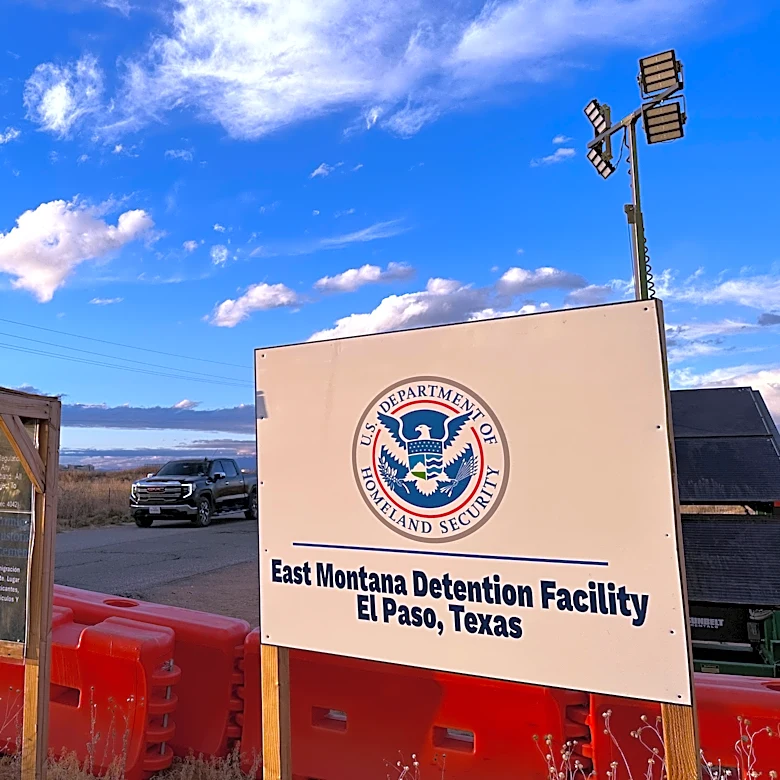
Members of Congress, including U.S. Rep. Lizzie Fletcher, D-Texas, have expressed outrage over the conditions at the Dilley Immigration Processing Center in Texas. During a recent tour, lawmakers described the facility as a place of physical and psychological
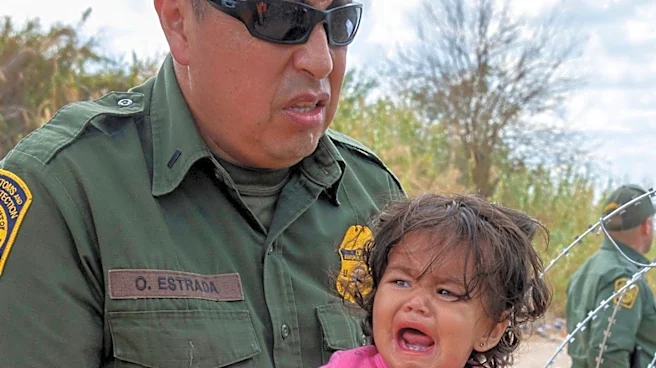
torture for migrant families, particularly women and children. Reports from the visit highlighted issues such as inadequate food, water, medical care, and legal representation. The delegation, which included U.S. Rep. Joaquin Castro, D-Texas, and members of the Congressional Democratic Women’s Caucus, shared stories of despondent children, untreated medical conditions, and families separated violently. The facility, run by Immigration and Customs Enforcement (ICE), has been criticized for its harsh conditions, with detainees often held for months without proper contact with the outside world.
Why It's Important?
The conditions at the Dilley Detention Center have significant implications for U.S. immigration policy and human rights. The reported abuses highlight ongoing concerns about the treatment of migrants under the Trump administration's immigration enforcement policies. The situation at Dilley underscores the broader debate over the ethics and effectiveness of current immigration detention practices. The trauma experienced by detainees, particularly children, could have long-lasting psychological effects, raising questions about the moral responsibilities of the U.S. government. The involvement of private corporations in managing detention facilities also brings attention to the profit motives behind immigration enforcement.
What's Next?
There is a growing call among lawmakers and advocacy groups for the closure of the Dilley Detention Center and a reevaluation of the U.S. immigration detention system. With 110 members of Congress already demanding the facility's closure, there may be increased legislative efforts to address these issues. The Biden administration previously closed the facility, suggesting potential policy shifts. Continued public and political pressure could lead to reforms in how migrant families are treated and detained in the U.S.