



What's Happening?
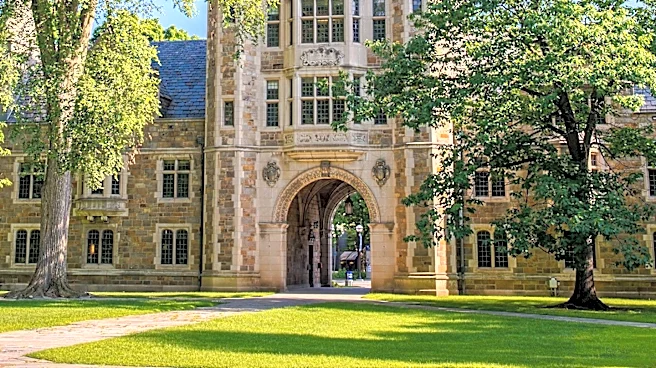
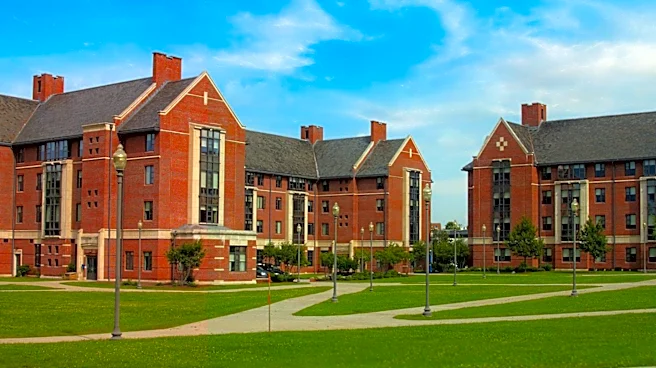
The Ben Shapiro Show recently delved into the contemporary landscape of college education in the United States, questioning its current value and impact on students. The discussion, led by host Ben Shapiro, focused on several critical aspects including
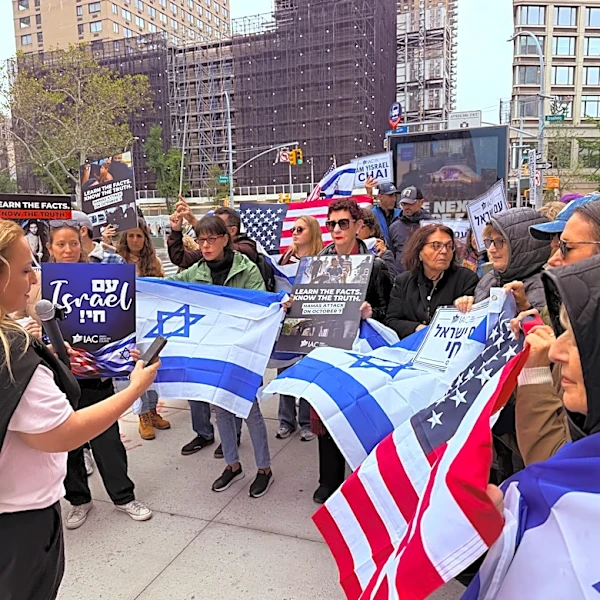
the escalating costs of tuition, alleged campus indoctrination, issues surrounding free speech, and the prevalence of student protests. Shapiro aimed to provide insights into what prospective students should understand before enrolling in higher education institutions. The program also explored whether a college diploma remains an essential component of achieving the American Dream, suggesting that its importance might be diminishing in the current environment. This analysis reflects a broader conservative critique of modern academia.
Why It's Important?
This discussion is important because it addresses a significant societal and economic debate in the U.S. regarding the utility and accessibility of higher education. The rising cost of college tuition has become a major financial burden for many American families, leading to substantial student loan debt that can impact graduates for decades. Concerns about campus indoctrination and restrictions on free speech touch upon fundamental principles of academic freedom and intellectual diversity, which are crucial for a robust educational environment. If the value of a college degree is indeed diminishing, as suggested, it could prompt a re-evaluation of educational pathways and career preparation, potentially shifting focus towards vocational training or alternative forms of skill development. This conversation also highlights a cultural divide in perceptions of higher education, with conservative commentators often criticizing what they view as liberal biases within universities.
What's Next?
The ongoing debate surrounding the value and direction of U.S. higher education is likely to continue, influencing policy discussions and individual educational choices. We may see increased scrutiny from policymakers regarding tuition costs and calls for greater accountability from universities. Students and families might explore alternative post-secondary options, such as trade schools, apprenticeships, or direct entry into the workforce, if the perceived return on investment for a traditional four-year degree continues to decline. Universities themselves may face pressure to address concerns about free speech and ideological diversity on campus to maintain their credibility and attract a broader range of students. This discourse could also fuel further political engagement on educational reform, potentially leading to legislative efforts aimed at reshaping the higher education system.
Beyond the Headlines
Beyond the immediate concerns of tuition and campus politics, the discussion about college education touches upon deeper societal shifts. The questioning of the college diploma's necessity for the American Dream reflects a potential redefinition of success and opportunity in the U.S. It challenges the long-held belief that a university degree is the sole or primary pathway to upward mobility and economic security. This re-evaluation could lead to a broader cultural acceptance of diverse career paths and a greater emphasis on practical skills and entrepreneurship. Furthermore, the debate over free speech and indoctrination in universities highlights a tension between academic freedom and evolving social norms, potentially impacting the intellectual climate of future generations and the role of educational institutions in shaping public discourse. It also underscores the growing polarization in how different segments of American society view and trust established institutions.